Sanding and Polishing Plastic
Removing Scratches from Plastic and Polishing to a High Gloss
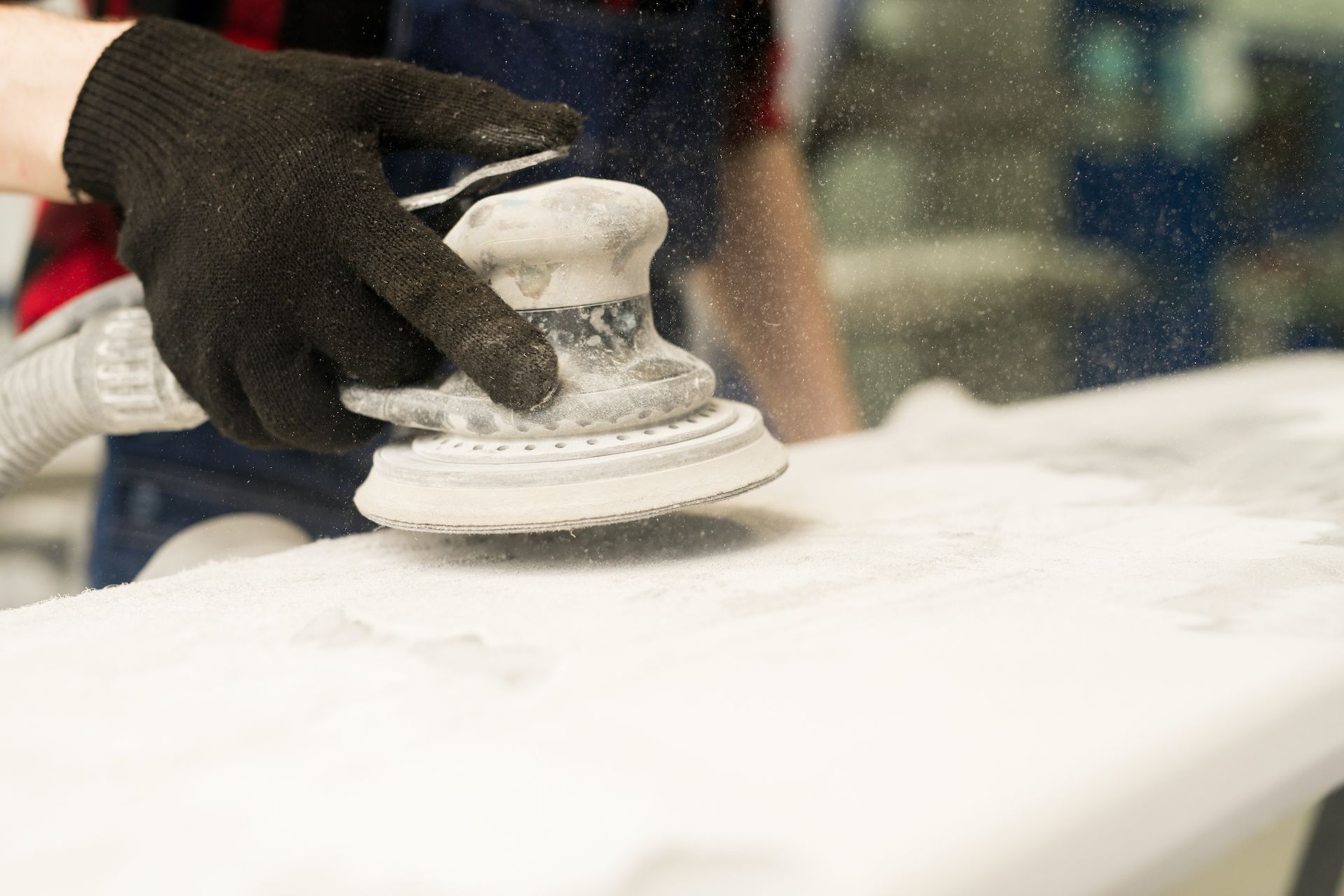
Plastic grinding & polishing at a glance
- Objective: Removal of scratches, creation of smooth and shiny surfaces
- Advantages: Flatness, visual enhancement, better adhesion for coatings
- Application: Visible parts, housings, transparent covers, technical surfaces
- Finish: Matt, satin or high gloss, depending on the desired effect
Why Sand and Polish Plastic?
Various cutting processes can leave marks on the surfaces of thermoformed parts. These marks may occur during die cutting or CNC milling. Small scratches can form on the material surface during transport between machines and post-processing stations, clamping in CNC fixtures, or the trimming process itself. Particularly for visually high-end products, the visible side can be sanded and polished afterward to enhance its appearance.
What can be Corrected by Sanding and Polishing Plastic?

Achieving Surface Flatness with Polishing
Fine sanding of plastic helps create a uniform, even surface.
Ensuring Thickness Uniformity in Plastic Parts
Uneven wall thicknesses resulting from the forming process can be corrected by sanding down to a consistent thickness.
Preparation for Coatings for Plastics
Sanding the plastic material before applying paint, lacquer, or coatings improves adhesion and durability.

Visual Enhancement
A plastic polish restores shine, transparency, and a high-quality tactile feel.
When do Scratches on Plastic Surfaces Occur?
Sanding and polishing plastic can resolve the following issues:
- Edge Trimming: Cutting or milling roughens the edges, requiring them to be smoothed through sanding with fine-grit sandpaper.
- Deep Scratches from Post-Processing: Deep scratches can occur when clamping or removing thermoformed parts from milling fixtures. After final inspection, these scratches must be corrected by sanding and polishing.
- Minor Scratches from the Forming Process: Post-processing through sanding and polishing reduces roughness and can bring the plastic to a high-gloss finish, meeting both technical and visual requirements.
Which Plastics can be Sanded and Polished?
Plastic polishing removes scratches and restores a high-gloss finish.
Virtually all thermoplastics can be finely sanded and polished, including:
- Polishing ABS
- Sanding ABS
- Polishing transparent plastic
- Polishing black plastic
…and much more. Contact us for more information on refining your plastic surfaces.
Frequently asked questions about sanding and polishing plastic
Whenever there are milling edges, cut marks or unevenness. Fine sanding prepares the surface for coating, painting or polishing.
Other Surface Treatment Methods Besides Sanding and Polishing
Interested in alternative surface treatments? We provide all the necessary details on other finishing processes.