




Trays for Automotation and Production
formary develops thermoformed trays for automated processes. Thermoformed plastic trays are central components of modern production and automation solutions. They enable safe robot handling, precise positioning of components, and seamless material flow from manufacturing to delivery.


What are Thermoformed Trays for Production and Automation?
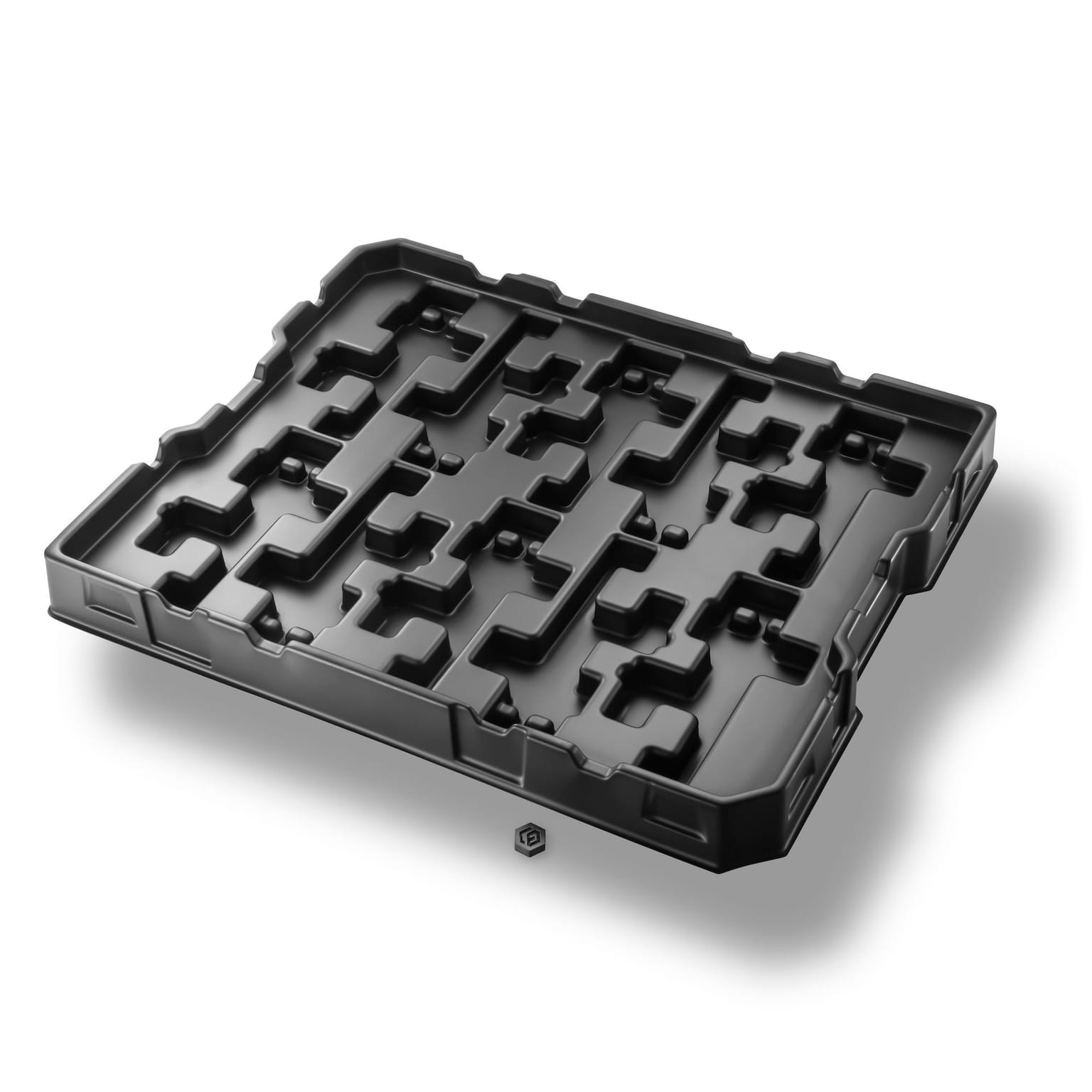
Thermoformed trays for production are thermoformed plastic component carriers specifically designed for automated manufacturing systems. They serve the safe transport, precise positioning, and automated handling of components within production and assembly lines. The goal is to reduce manual processes, shorten cycle times, and increase process reliability in automated systems.




What are Thermoformed Trays Used for in Production?
Thermoformed trays are used for the automated handling of your items in your production facility.
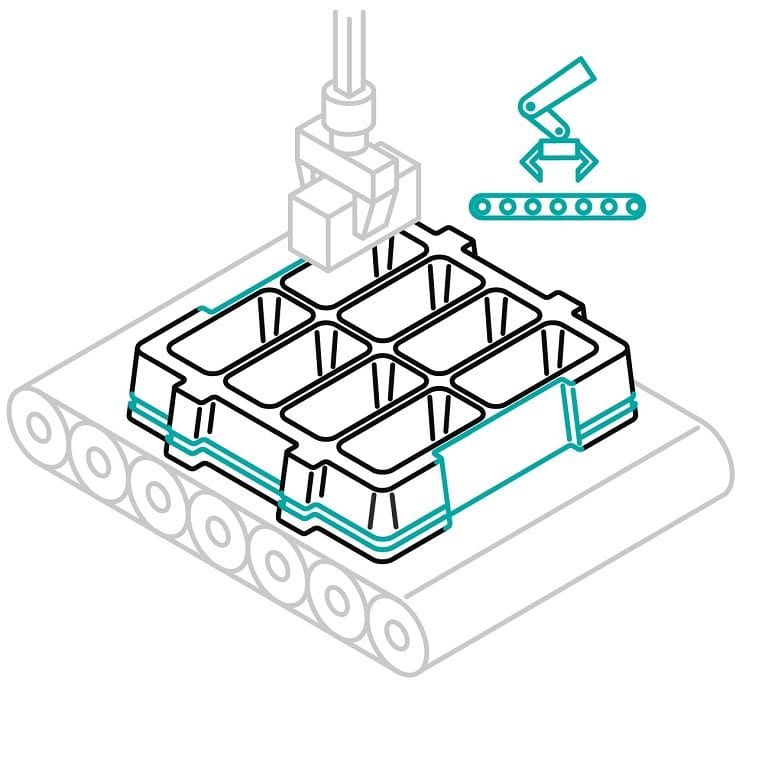
- Automated handling in production facilities: Deep-drawn trays enable the automated conveyance of components within your facility, e.g. via roller conveyors, conveyor systems or palletisers. Plastic deep-drawn trays are precisely tailored to your machines, grippers and tolerances.
- Robot-assisted loading and unloading: Thanks to precise nestings, positioning cams and poka-yoke elements, industrial robots can reliably grip, place and process components, even when dealing with delicate workpieces.
- Assembly carriers along entire production lines: Many companies use deep-drawn plastic trays across several processing stages. Components remain in the same workpiece carrier throughout the entire flow production process, which reduces changeover times and prevents damage.
Advantages of Automation Trays

Reliable Protection
with thermoforming trays to prevent damage and scratches on your components during transportation.

Improved Manufacturing Process
Optimized process chains through automated transport along the industrial assembly line using thermoform packaging.

Reusable Circulation System
Establish a reusable circulation system using thermoforming trays for your customers, suppliers, and company.

Efficient Design
A design that is perfectly aligned with your automation processes.

Industrial Robot Handling
With additional elements on the edge and bottom contours of the thermoforming trays.

Automated Stacking & Unstacking
Achieve automated stacking and unstacking of thermoforming trays without jamming, using the correct stacking technique.

Different Component Variants
Cover different component variants and production stages with universal nests in the thermoform packaging.

Specific Material Properties
Utilize specific material properties through careful material selection for your thermoforming tray to automate your production.
Get Your Tray Design for Your Automated Production
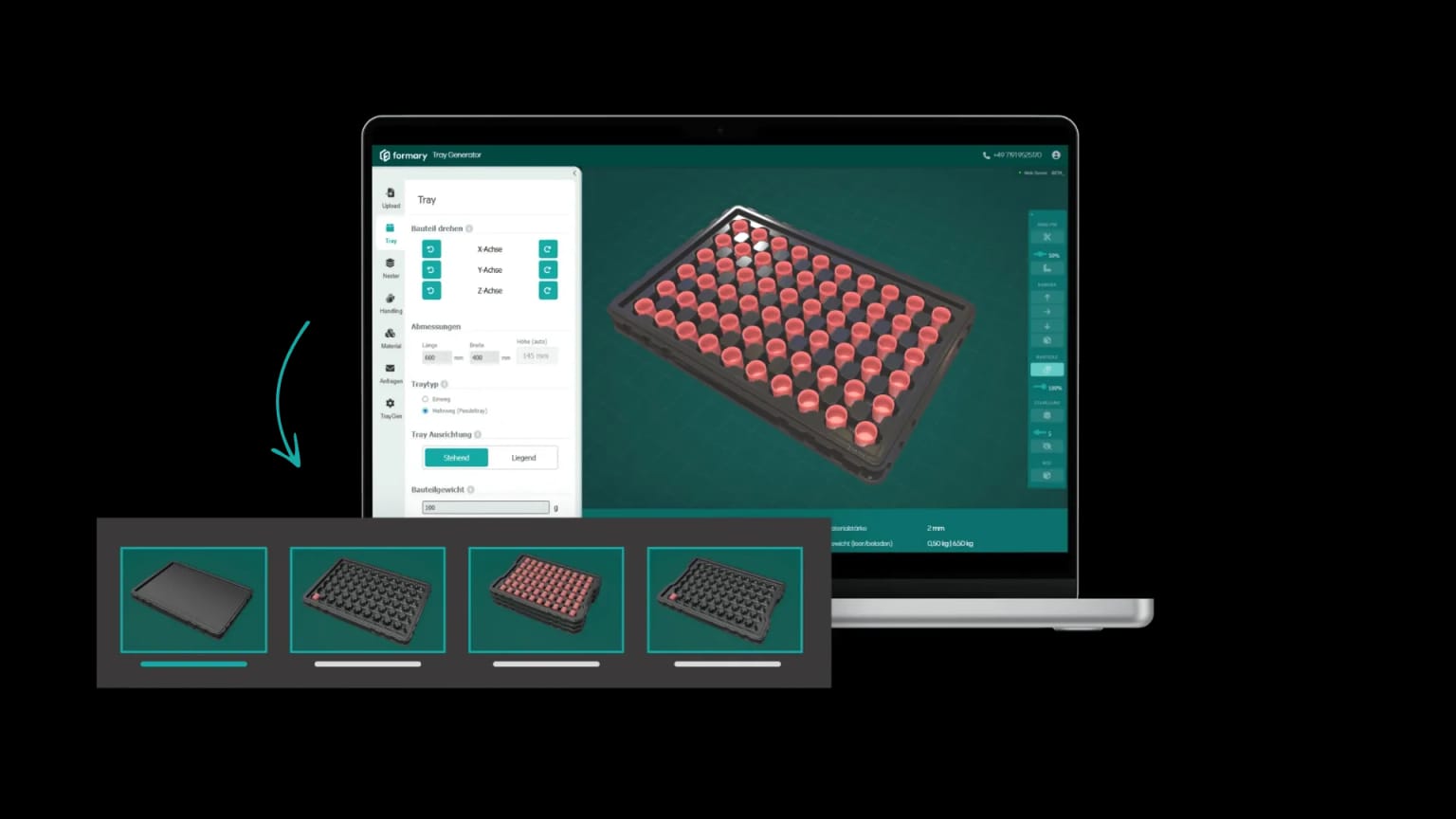
Do you have a CAD model of your workpiece and want to know what a precisely fitting deep-drawn tray for it might look like?
Upload the CAD file for your component to our 3D Tray Generator and, within 30 seconds, receive a suitable tray design that automates your manufacturing process from production right through to delivery.
How is my Thermoforming Tray Designed?

Manufacturing Facility
When preparing for the commissioning of your system, there is often little time for a lengthy thermoforming tray development process. Therefore, formary gathers comprehensive information about your machine system during the design phase, including images, drawings, excerpts from the specifications, explanations of the transfer method, and details on tray stackers or palletizers. This ensures that the first design iteration provides an optimal overall concept for your thermoforming packaging.

Robotics & Gripper Arms
Customers from various industries use grippers from different manufacturers and technologies. Nests are designed according to the sensitive areas of your component as well as the robotic arm being used. The precision of the robot during loading and unloading determines the spacing and arrangement of the nests.

Coding & Product Identification
To ensure your machine recognizes your products and the tray, there are electronic and optical options: RFID chips, adhesive labels, binary coding strips in the tray frame, etc. The placement of labels and/or codes, as well as coding knobs, should be planned from the start so that formary can optimize the design accordingly.

Handling & Positioning
To avoid collisions between the robot gripper during loading and unloading and ensure the sensor detects the components, the thermoforming tray offers various options. Surrounding grooves make it easier for the robot to grip, positioning pins lock the tray into place, and Poka Yoke corners align asymmetric components when feeding them into the palletizer.
Other points to bear in mind when designing thermoformed trays
Recessed handles
Finger grips on the sides of the workpiece carrier facilitate ergonomic loading into the KLT or outer carton by your colleagues, but can also be useful for robotic arms.
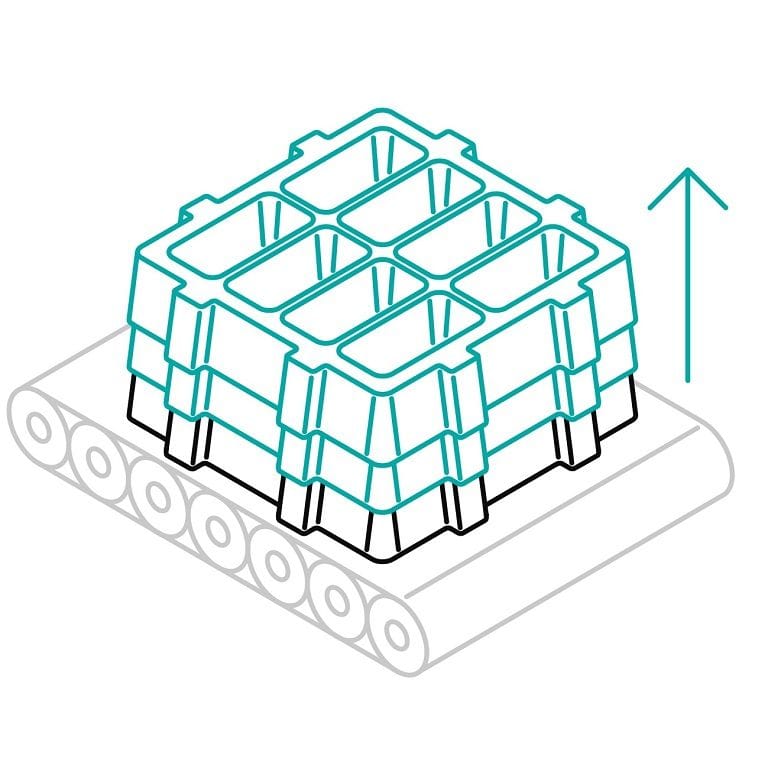
Stacking
Thermoformed trays can be stacked securely on top of one another in automated production without the need for any aids. The design takes into account the fragility of the parts, the number of layers required and the maximum height of the packaging unit.
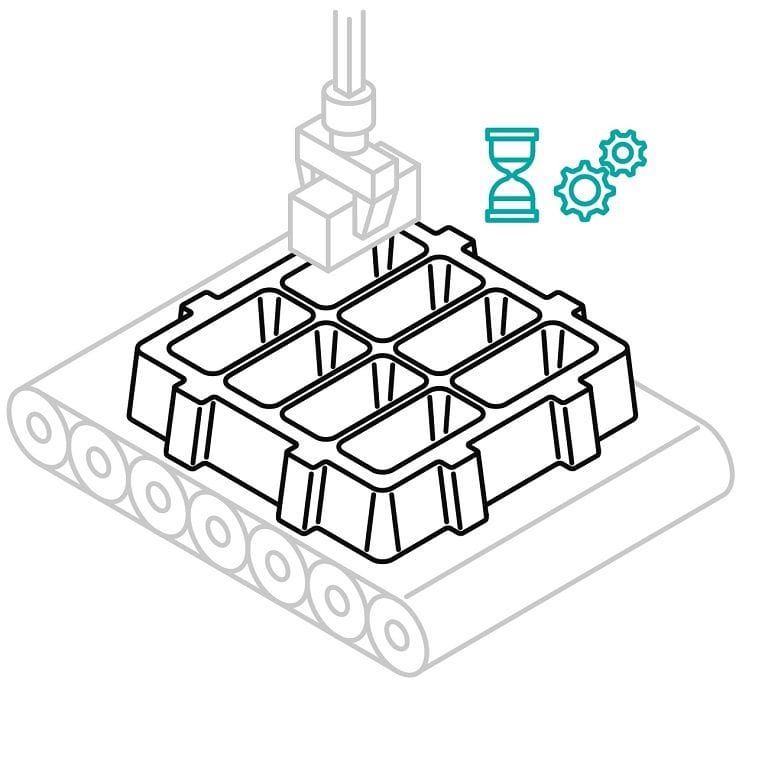
Duration of deployment
The duration of use determines the material thickness, the complexity of the mould and the price. For short-term use, we recommend a cost-effective design; for high turnover rates, we recommend robust reusable trays with ribs.

Loading aids
During production, thermoformed trays are often transported using small load carriers (SLC) or mobile palletisers. If the thermoformed trays are also used for inbound shipments to the warehouse or outbound shipments, they are often packed in cardboard boxes. Alternatively, however, they can also be stacked loose on a wooden or plastic Euro pallet.
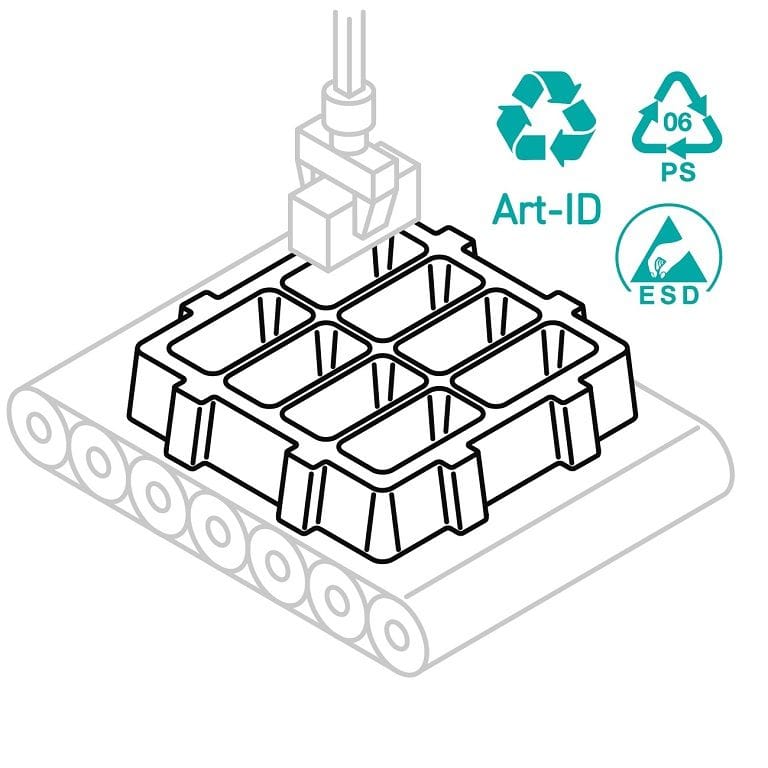
Labels
As part of the design process, you can incorporate symbols and relevant information directly into the thermoformed tray, e.g. company name, logo, item or batch numbers, material markings or date codes.
A Final Touch for Your Thermoforming Tray
Typical Applications for Thermoformed Plastic Trays
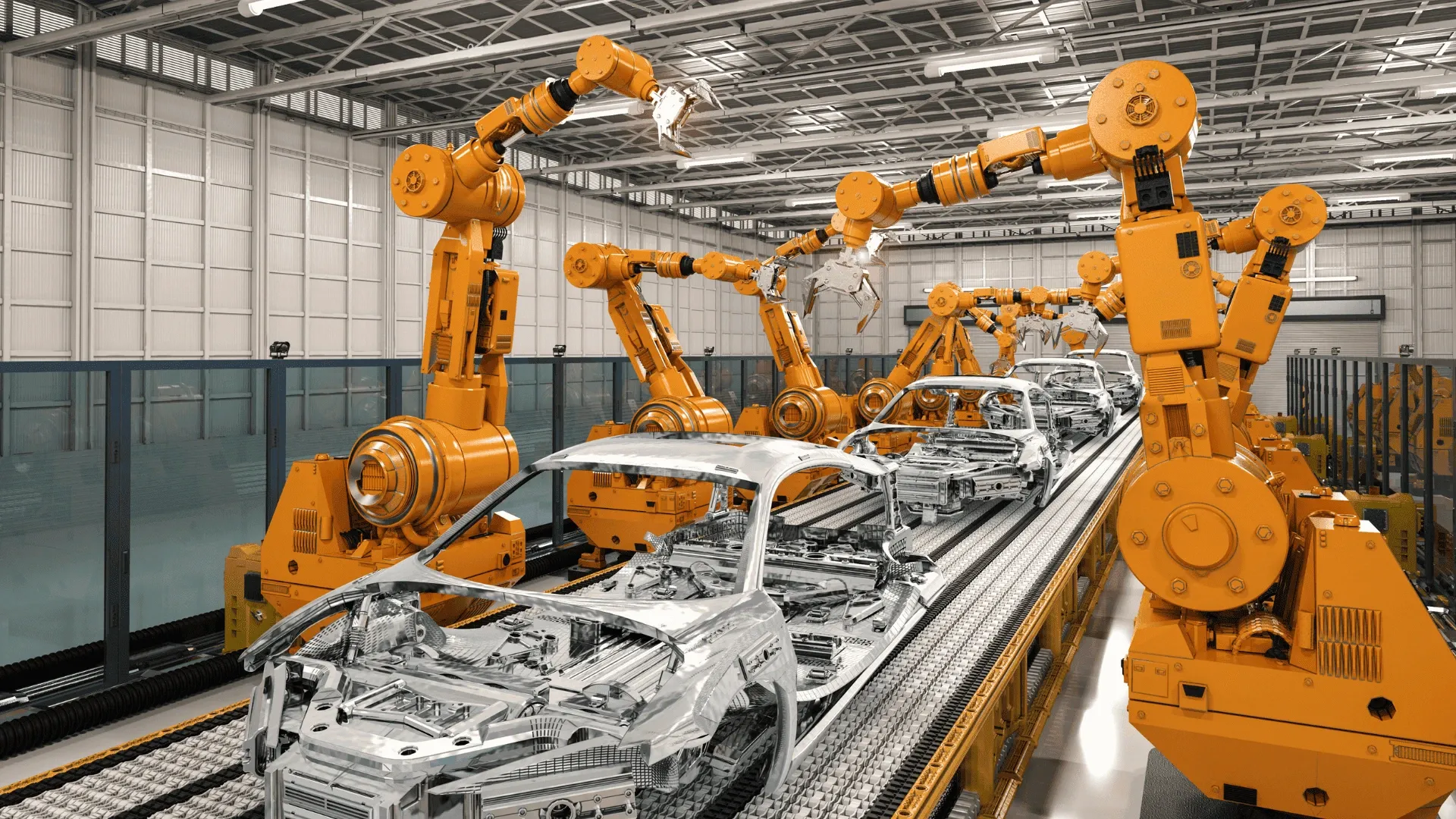
Thermoformed trays for automotive assembly lines
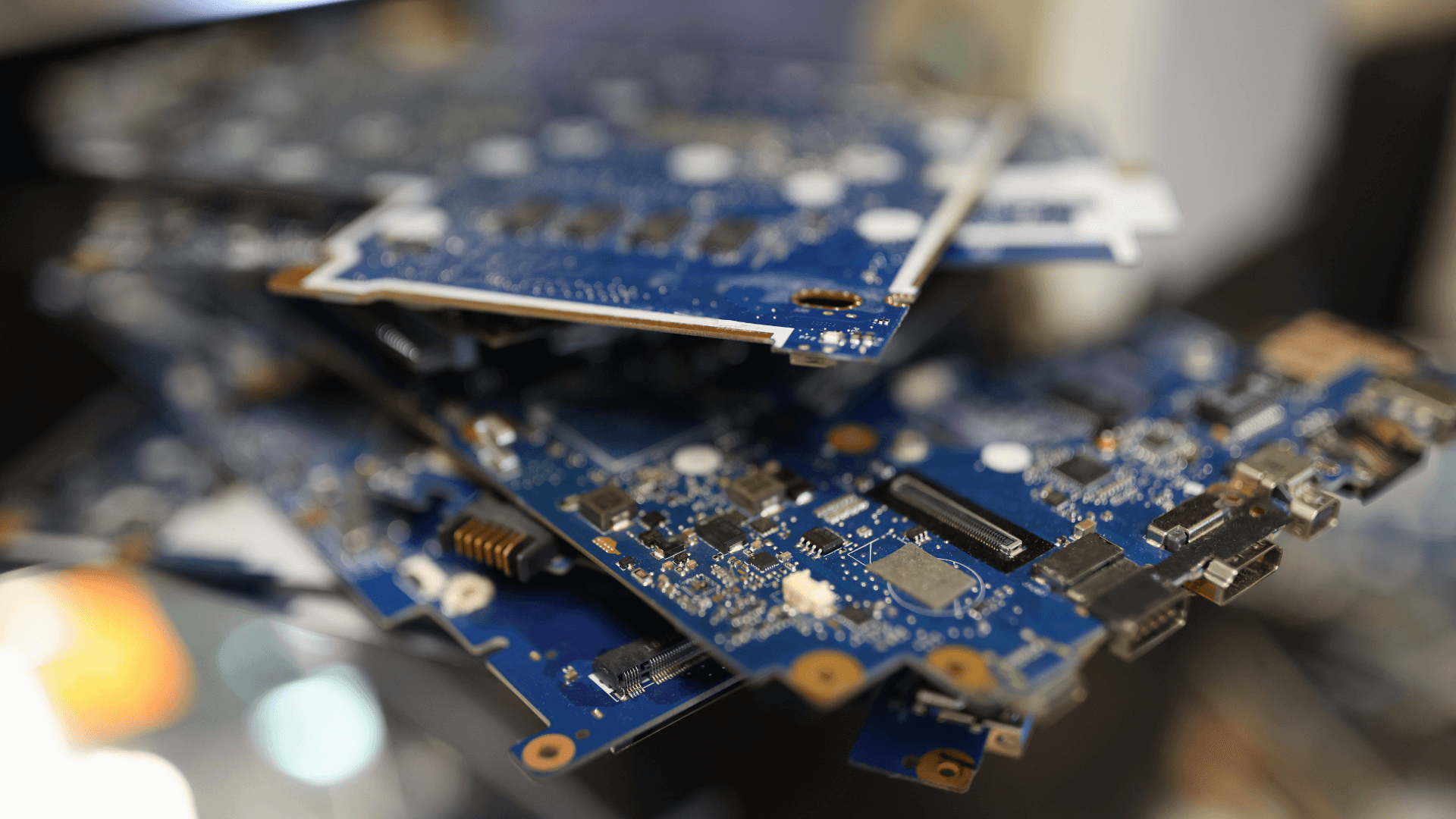
Thermoformed trays for electronics assembly lines
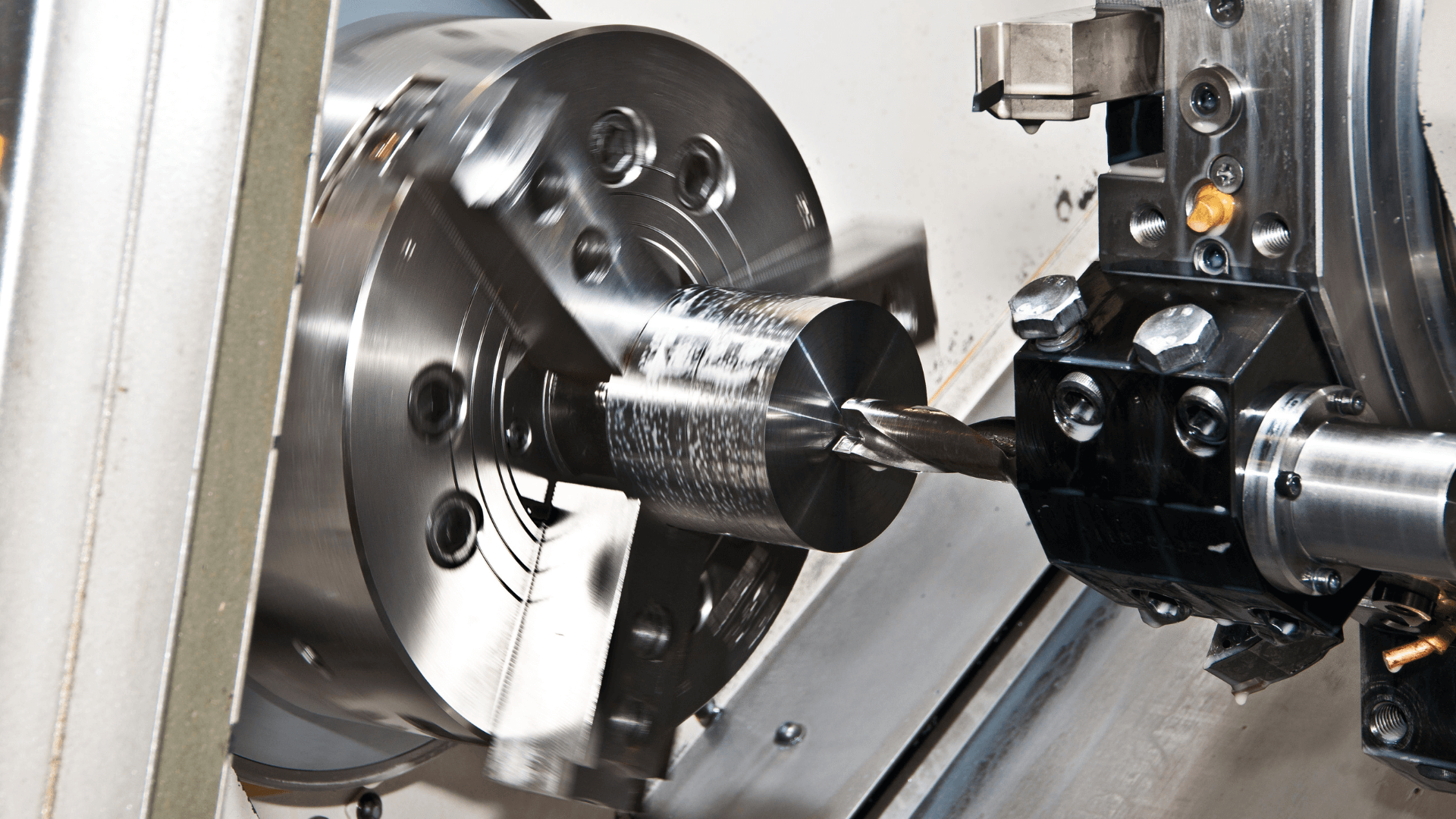
Thermoformed trays for CNC lathes
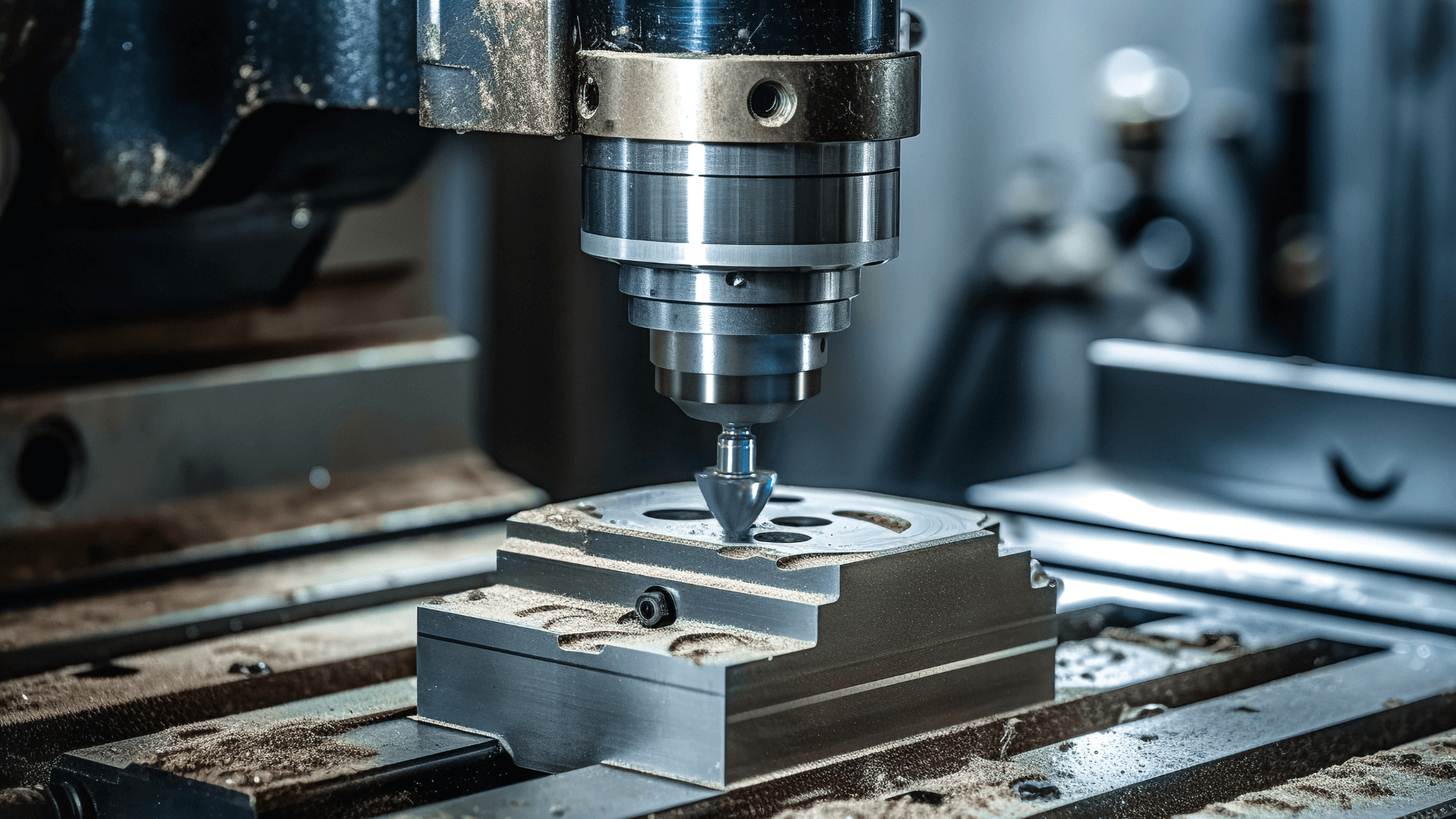
Thermoformed trays for CNC milling machines
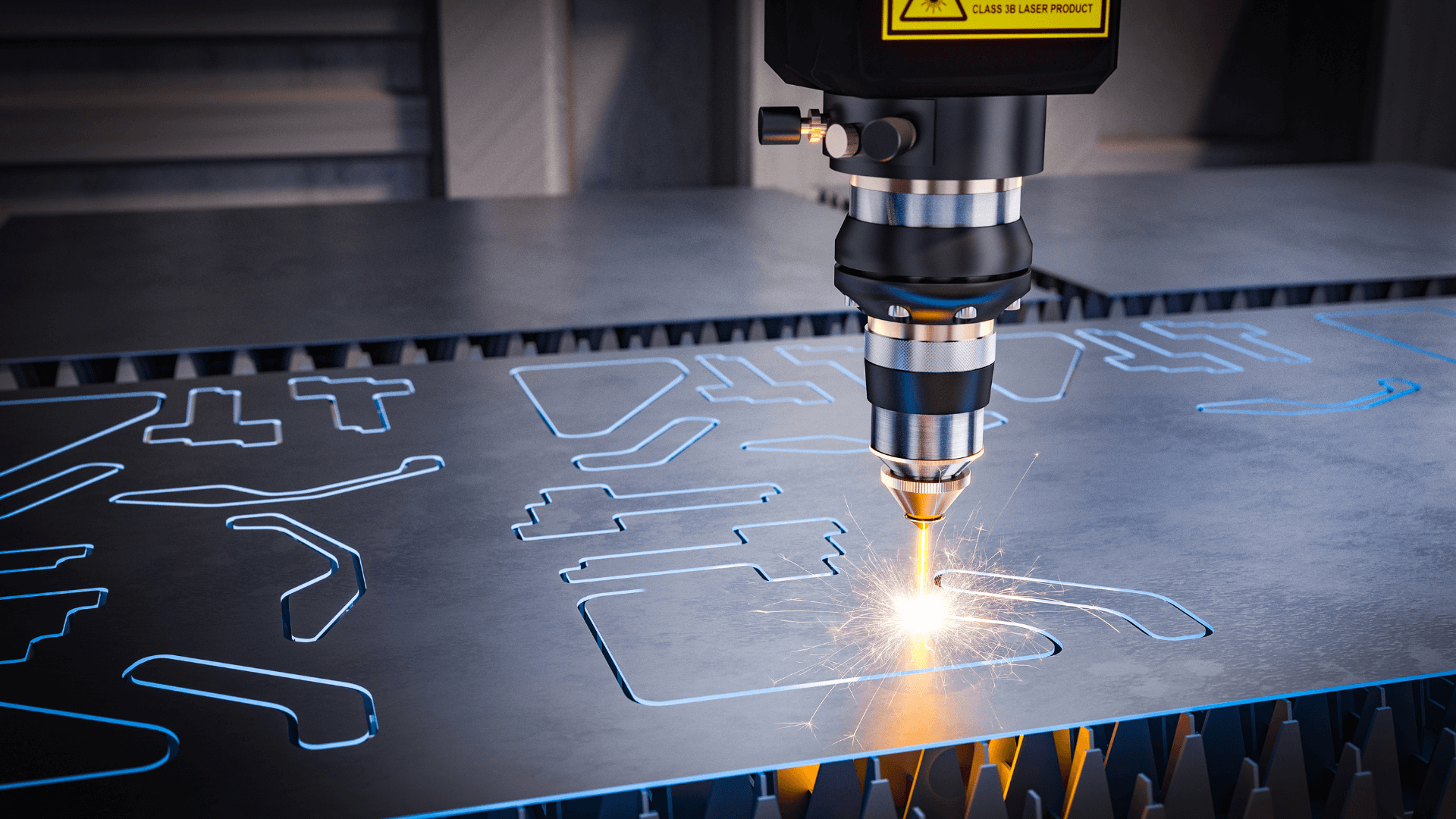
Thermoformed trays for laser cutting machines
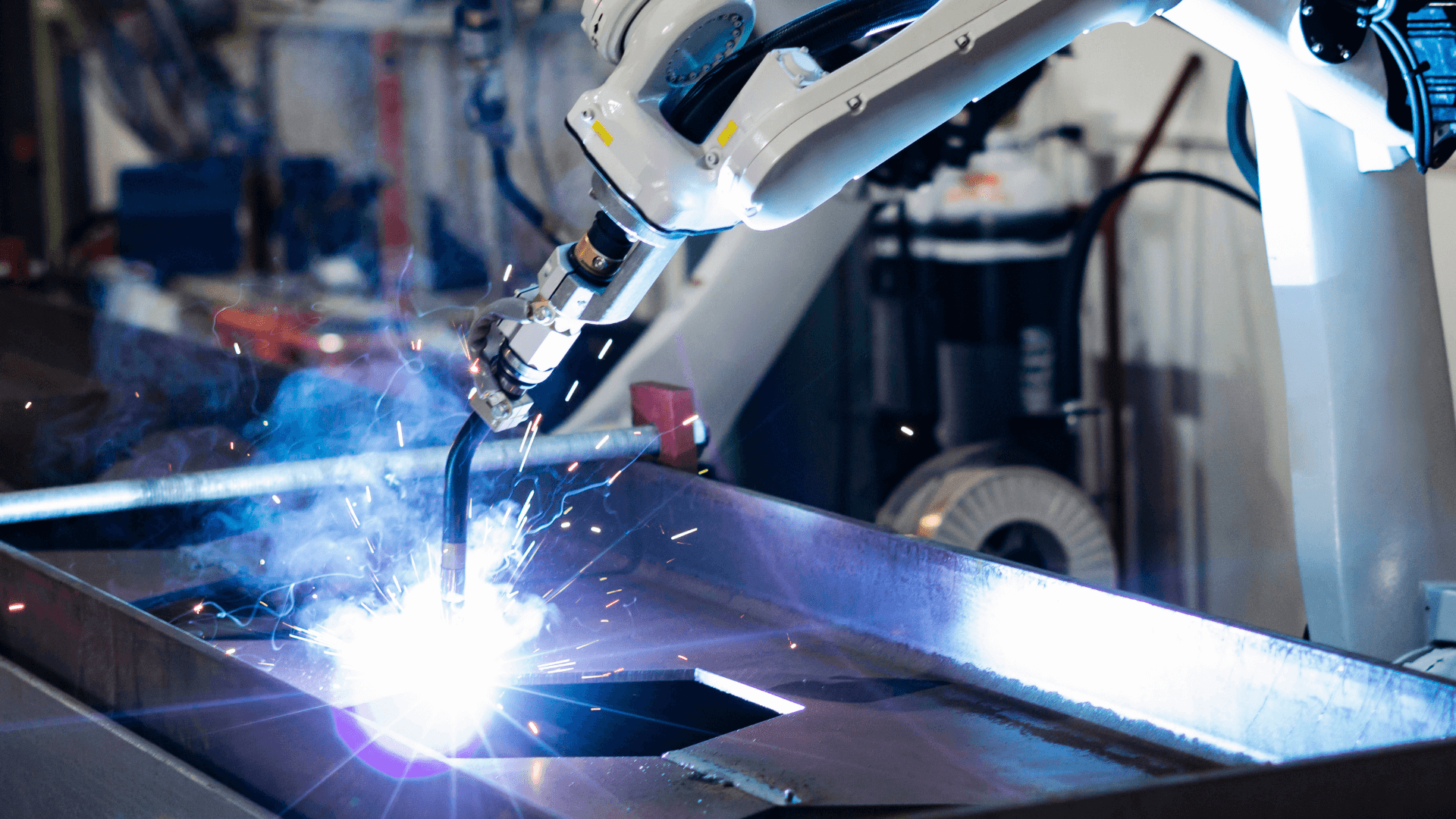
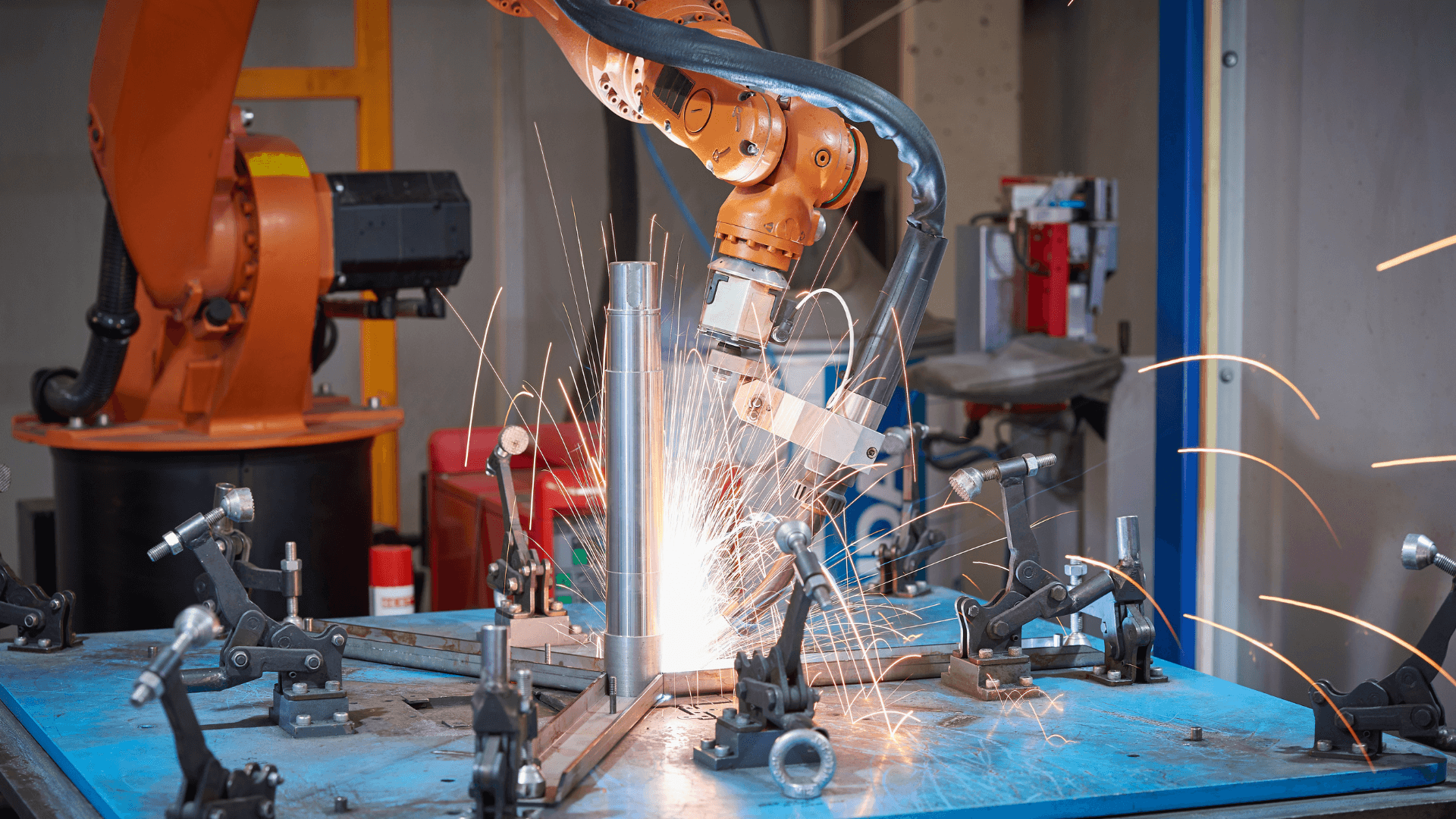
Automation trays for robot-assisted welding systems
Thermoformed trays for welding robots
Thermoformed trays for automated screwdriving systems
Thermoformed trays for adhesive and sealing systems
Thermoformed trays for automated testing systems
Thermoformed trays for optical inspection systems
Thermoformed trays for ultrasonic cleaning machines
Product Examples of Automation Trays
Here are a number of examples of thermoformed plastic trays that are used in different areas.
Project Process for Thermoformed Trays: From Inquiry to Order

Inquiry
You configure your desired thermoformed plastic tray in our inquiry tool with the desired quantities, materials, and specifications.

Review & Offer
We review your data for feasibility and implementation and calculate a quote for you within 24 hours. At the same time, we also make suggestions for the data creation of your thermoformed tray as well as practical sampling options.

Data Approval
You approve our thermoformed tray data for prototyping or the production tool.

Tool & Sampling
We create your tool for your thermoformed tray and provide you with production samples for approval.

Series Production
After inspection and approval of the samples, we manufacture your thermoformed trays in series production.

Shipping
After completion and thorough inspection of the thermoformed trays by our QA team, we dispatch your series delivery to you.
FAQ – Frequently Asked Questions about Thermoformed Trays in Production & Automation
What are thermoformed trays for production automation?
Thermoformed trays for production automation are thermoplastic workpiece carriers that securely position, transport and feed components during automated manufacturing processes. They are precisely tailored to machines, robots and conveyor systems.
More Information on Thermoformed Trays for Automation and Production
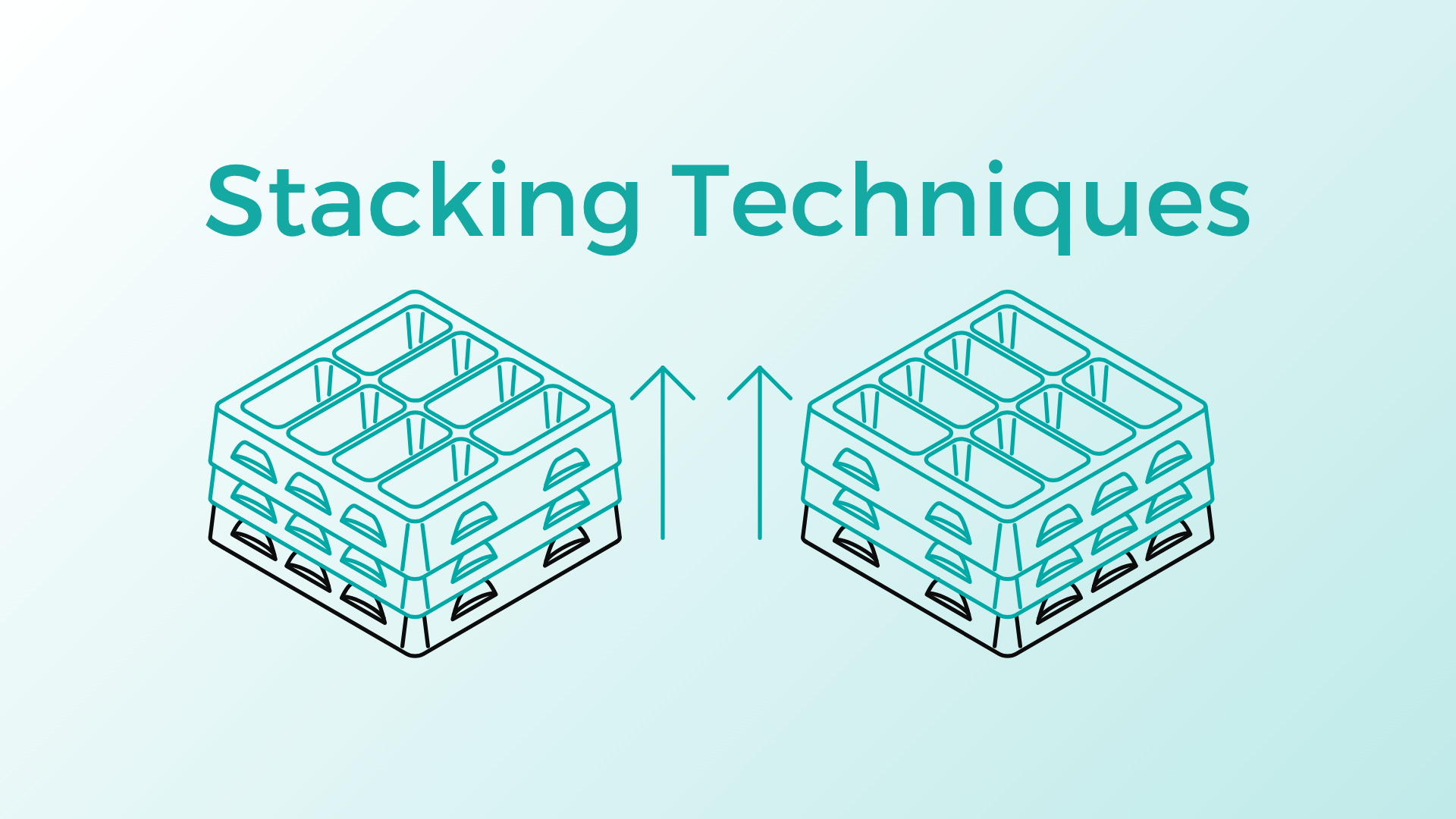


Thermoformed Parts in Practice
Cleaning Trays: This is how to clean reusable trays
Workpiece carriers transport components in various stages of production and are used for long periods. Many components, especially in the automotive industry, are oily or greasy, and during transport, dirt and other contaminants accumulate. Therefore, it is important to clean the trays.
Thermoformed Parts in Practice
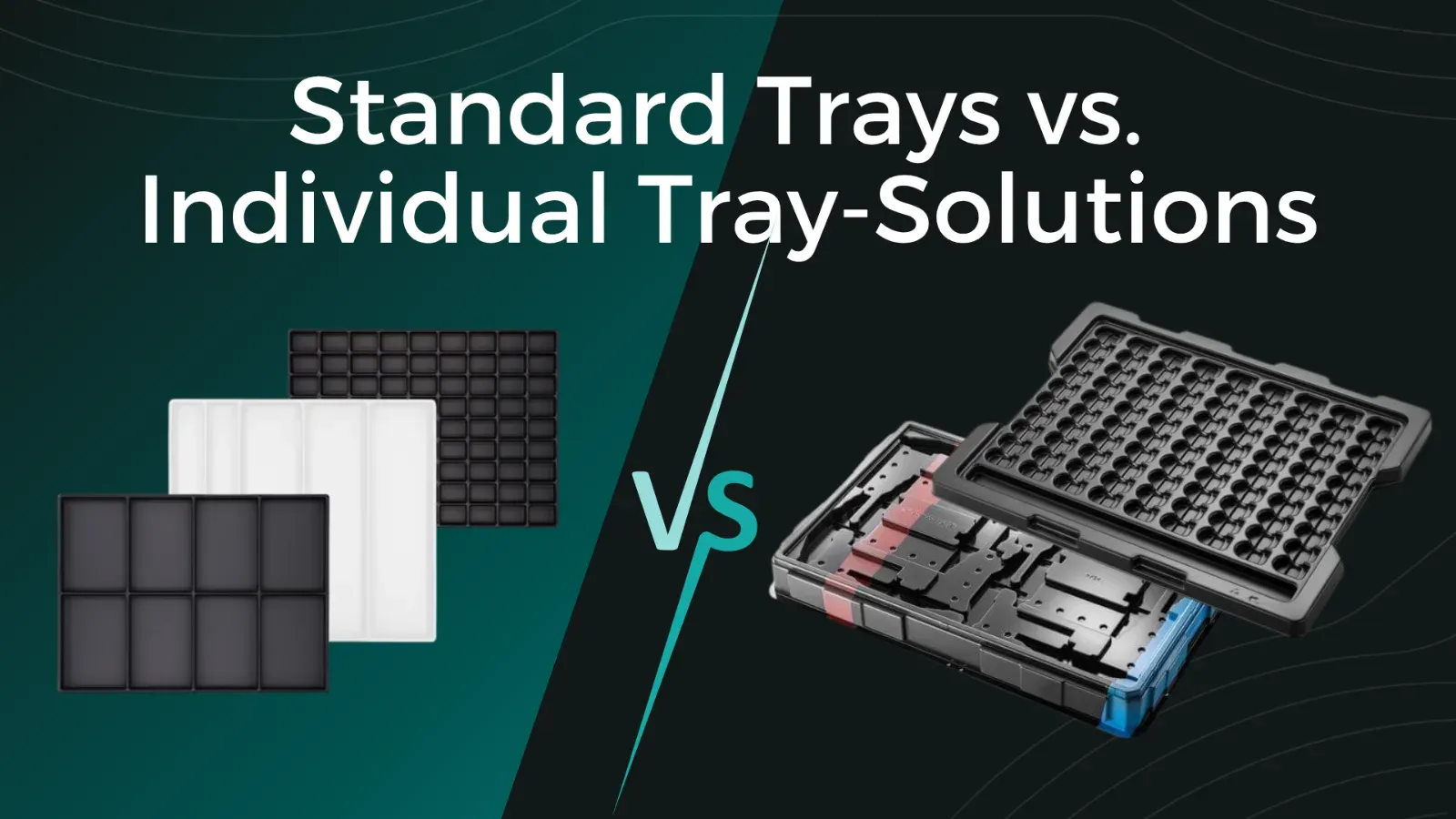
Standard Trays vs. Custom Tray Solutions: Which Option Is Best for Your Project?
Anyone sourcing plastic trays for transport, storage, or production quickly faces the question: choose a standard tray from the catalog or have a custom solution developed by a thermoforming specialist? Both options have their place. The right choice depends on the component, quantity, budget, and project requirements. This article explains which option is the right one for you.
