









Polycarbonate

PC Plastic

PC (Polycarbonate) is the most heat-resistant engineering thermoplastic with peak temperatures up to 150°C. It combines excellent transparency, high impact strength, and electrical insulation properties – making it ideal for demanding technical applications.

What is PC plastic?

Polycarbonate, also called PC plastic, is the most heat-resistant engineering plastic with peaks of up to 150°C short-term operating temperatures. Further advantages for thermoformed parts lie in the high transparency and impact strength. PC plastic is an electrical insulator and can be processed somewhat better than PMMA with similar properties.

Processing and thermoformability of PC

Processing PC plastic for thermoformed parts requires experience and knowledge, as the material can only achieve satisfactory thermoforming results within the optimal temperature range. The processing of PC plastic requires specific know-how, as the material only delivers optimal thermoforming results within a narrow temperature range. This makes precise, continuous temperature control of the aluminum tool through deep-hole drilling essential. As a result, only one-piece production tools are possible – modular base tools or cost-effective prototype tools made from 3D printing or Ureol cannot be used. Sampling must be done directly from the production tool under production conditions, which means higher initial costs but guarantees optimal quality.

Material options for PC plastic

Kunststoff Eigenschaften_AntistatischAntistatic
Kunststoff Eigenschaften_AntistatischESD
Kunststoff Eigenschaften_BeflocktFlocked
Kunststoff Eigenschaften_VerschweißbarWeldable
Kunststoff Eigenschaften_SterilisierbarSterilizable
Kunststoff Eigenschaften_BedruckbarPrintable
Kunststoff Eigenschaften_RegeneratRegenerate
Kunststoff Eigenschaften_VerklebbarAdhesive

Strengths and weaknesses of PC at a glance

  • Price

  • Colors

  • Features

    • Highest temperature resistance
    • Good impact strength
    • High strength
    • Very high transparency
    • Resistant to: oils, gasoline, fats
    • Weather and UV resistance (outdoor use)
  • Weaknesses

    • Low abrasion resistance
    • Difficult processing
    • No acids and alkalis
    • High density (heavy weight)
    • Poor storability (hygroscopic)
    • Complex tool required

Storage & procurement of PC

When storing PC plastic, it must be noted that polycarbonate is hygroscopic. This means PC plastic binds moisture from the environment during long-term storage, which deteriorates the quality and processing on the thermoforming machine. Therefore, PC plastic must be dried before processing or procured on customer call-off. The potential material delivery times must be considered as lead time when procuring PC plastic thermoformed parts.

Facts and figures about PC plastic

GroupTechnical Thermoplastics
StructureAmorphous
Density1.2
Continuous Use Temperature Min. (in °C)-100
Continuous Use Temperature Max. (in °C)130
Thermal Expansion Transverse/Longitudinal to Flow Direction (10^-6 *K)65
Melting Temperature (°C)148
Max. Temp. Short-Term (°C)140
Max. Temp. Long-Term (°C)125
Impact Strength (KJ/m^2)30
Yield Stress (N/mm²)66
Tensile Strength (N/mm²)61
Tensile Modulus of Elasticity (N/mm²)2300
Elongation at Break (%)80
Flexural Strength (N/mm²)70
Ball Indentation Hardness (N/mm²)110
Dielectric Strength (kV/mm)34
Volume Resistivity (Ω · m)<1E13
Surface Resistivity (Ω)1E15
Tracking Resistance CTI250

Applications of PC plastic

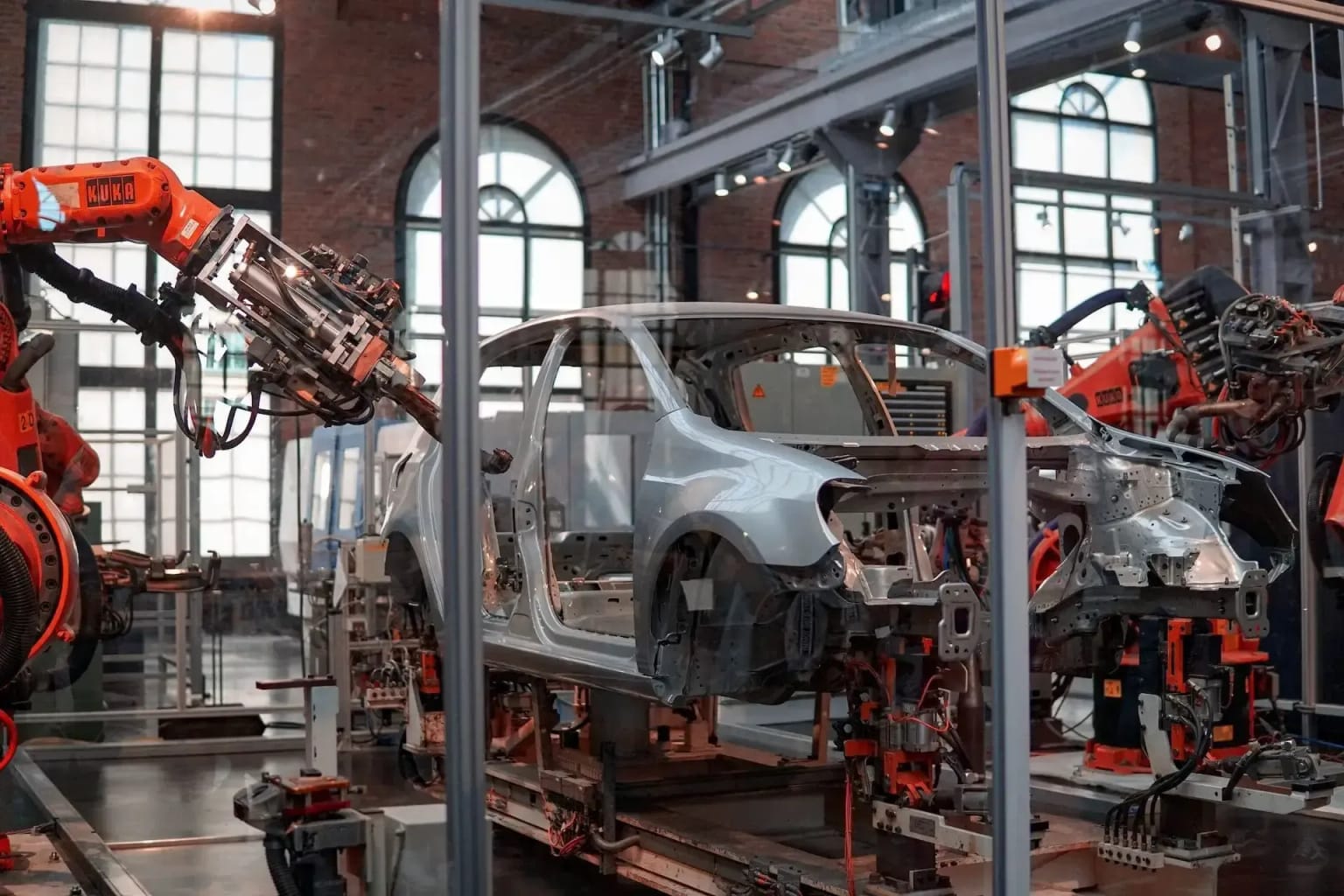
Automotive

  • Sunroofs
  • Pop-up roof domes
  • License plate holders
  • Housings for model vehicles
  • Parts for cargo bikes
  • Headlight covers
  • Instrument panel covers

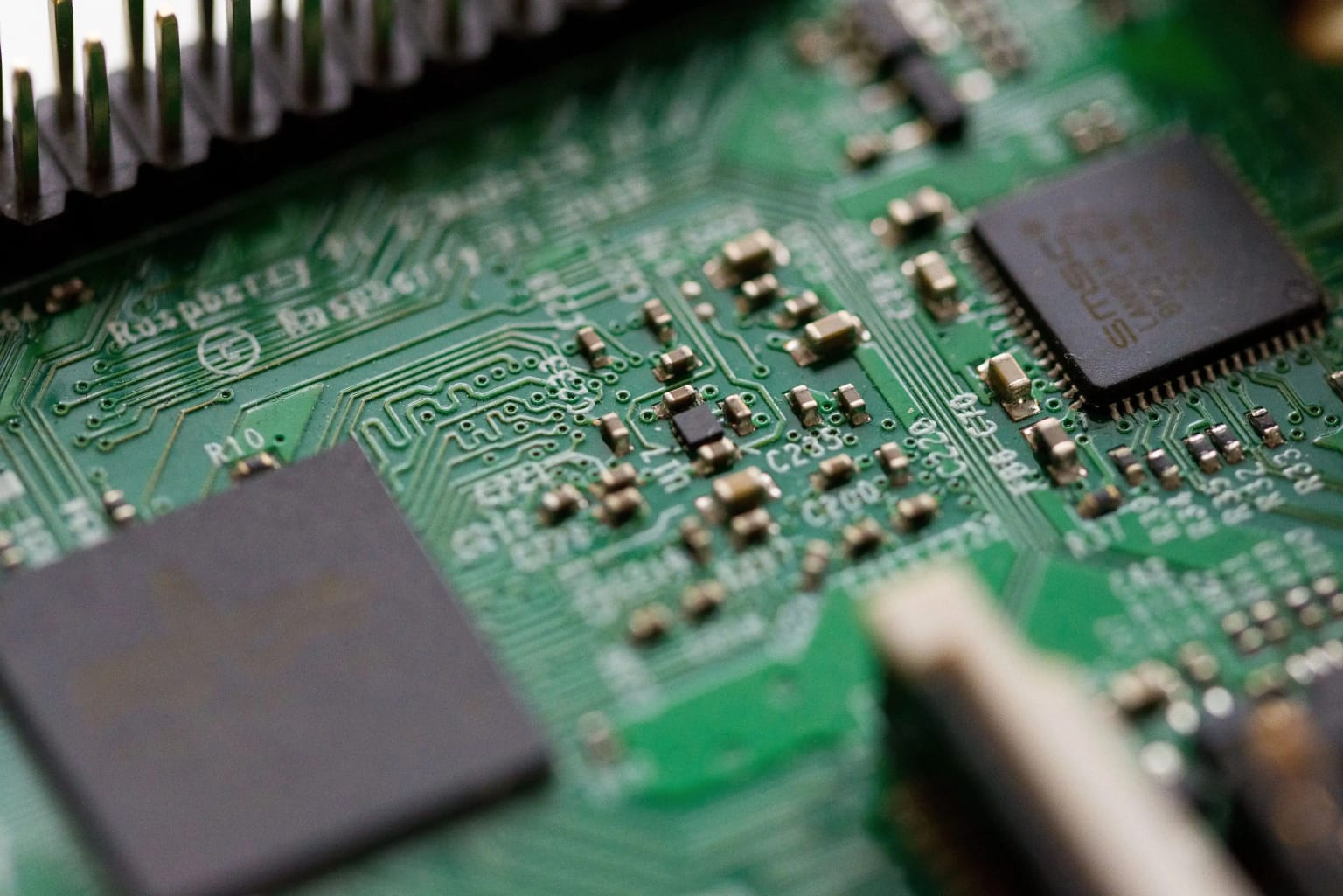
Electronics

  • Molded parts for household appliance technology
  • Lighting: lampshades
  • Touch protection for electrical components
  • Trays for potting electrical components
  • Display covers
  • Covers/protection for displays
  • Frames for display mounting
  • Insulating housings for high-voltage components

Medical Technology

  • Sanitary parts
  • Medical packaging
  • Hygiene product packaging
  • Visors and face shields
  • Sterilizable housings
  • Protective covers for medical devices

Consumer Goods

  • Visors
  • Conservatory windows
  • Protective screens
  • Transparent covers for high-temperature areas

Mechanical Engineering

  • Heat-resistant covers
  • High-performance production containers
  • Covers for tank systems
  • Potting trays
  • Manufacturing molds
  • Sight windows for process monitoring
  • Protective covers for hot machine parts

Industrial Solutions

  • Temperature-resistant transport containers
  • Protective covers for high-temperature processes
  • Sight windows for furnaces and systems
  • Insulating covers

Robotics

  • Transparent protective covers for robot arms
  • Sight windows for safety enclosures
  • Temperature-resistant housings for control units
  • Touch protection for electrical components

Aerospace & Defense

  • Cockpit glazing (small aircraft, drones)
  • Instrument covers
  • Protective covers for avionics
  • Temperature-resistant housings

Frequently asked questions about PC plastic

What is PC plastic?

PC stands for polycarbonate, a high-performance engineering plastic characterised by its very high temperature resistance, transparency and impact strength. PC plastic can withstand temperatures of up to 150 °C for short periods and is used wherever heat resistance and optical quality are required at the same time.

What is PC plastic used for?
What advantages does PC plastic offer in thermoforming?
How well can PC plastic be thermoformed?
What are the weaknesses of PC plastic?
Is PC plastic transparent?
Is PC plastic UV-resistant?
How does PC differ from PMMA plastic?
How heat-resistant is PC plastic?

Further Information That Might Interest You

 Design Guidelines for Plastic Thermoformed Parts – Top 13 Tips for Plastic-Optimized Construction
Thermoformed Parts in Practice

Design Guidelines for Plastic Thermoformed Parts – Top 13 Tips for Plastic-Optimized Construction

Plastic thermoforming is shaped by factors like material quality, temperature, pressure, speed, and tool geometry. With the right design principles, you can prevent errors in CAD and production. formary has gathered key tips to help you optimize your thermoformed parts.
Blog Banner English
Thermoformed Parts in Practice

Design for Manufacturing (DfM): Guide to Manufacturing-Oriented Design

With the new Design for Manufacturing analysis from formary, it is now possible to check CAD data for thermoformability in a matter of seconds, allowing potential sources of error to be identified early on before they become costly. Read on to find out what features the DfM software offers and what the Design for Manufacturing principle entails.
Thermoforming vs. Alternatives_Banner
Thermoformed Parts in Practice

Plastic Manufacturing Processes Compared: Thermoforming vs. Injection Molding, 3D Printing, CNC Milling, and Foam

When manufacturing plastic parts, thermoforming is often compared with injection molding, milling, 3D printing, and foam solutions. The decisive factors are speed, cost, design freedom, material requirements, and process reliability. This article highlights the key differences between these processes.
What is Recyclate? Options in Plastic Recycling and Distinction from Virgin Material
Thermoformed Parts in Practice

What is Recyclate? Options in Plastic Recycling and Distinction from Virgin Material

In an increasingly sustainability-oriented world, recycling and the reuse of materials play a key role. Plastic recyclates offer a sustainable alternative to virgin materials. But what exactly does the term mean, and how can recyclates be distinguished from virgin materials? Read more now.

Thermoformed Parts Made Easy. With formary.

Get your non-binding offer today.

Don't miss out on important tips and news about thermoformed parts.

By submitting your registration, you accept the privacy policy and will receive an email to confirm your subscription.