







High Density Polyethylene

HD-PE Plastic

HD-PE (High Density Polyethylene) is the most commonly used thermoplastic with excellent resistance to oils, chemicals, acids, and alkalis. It is ideal for thermoformed containers, trays, and industrial applications with high chemical requirements.

What is HD-PE plastic?

HD-PE is the abbreviation for High Density Polyethylene and is the most frequently used thermoplastic in plastic processing. Due to its excellent resistance to oils and chemicals, HD-PE plastic is often used in thermoformed containers of all kinds. As an affordable standard plastic in thermoforming, HD-PE has relatively low strength, stiffness, and hardness, but is equipped with good elongation properties.

Processing and thermoformability of HD-PE

HD-PE plastic must be heated for a comparably long time to reach the processing temperature for thermoforming. During heating, the thermoplastic expands in surface area and shrinks back together after cooling. This presents several challenges in the processing of HD-PE thermoformed parts.

Material Options

Kunststoff Eigenschaften_AntistatischESD
Kunststoff Eigenschaften_BeflocktFlocked
Kunststoff Eigenschaften_SiegelfähigkeitSealability
Kunststoff Eigenschaften_VerschweißbarWeldable
Kunststoff Eigenschaften_SterilisierbarSterilizable
Kunststoff Eigenschaften_RegeneratRegenerate

Strengths and weaknesses of HD-PE at a glance

  • Price

  • Colors

  • Features

    • Relatively low brittleness (compared to ABS, ASA)
    • Electrical insulating properties
    • Resistant to: Acids, alkalis, fats, gasoline, alcohol (all chemicals)
    • Weather-resistant
    • Recycled material content increases annually
  • Weaknesses

    • No transparency (milky appearance)
    • Difficult to process
    • No sheet manufacturing possible
    • Not suitable for low material thicknesses
    • Extreme shrinkage: Tolerances hard to maintain
    • Not UV-resistant

Challenges in processing HD-PE

Processing HD-PE on sheet-fed machines

Due to its low viscosity, HD-PE plastic is primarily thermoformed on sheet-fed machines in plastic thermoforming with the help of support air, which is intended to prevent sagging of the heated material.

Processing HD-PE on roll-fed machines

On roll-fed machines, the extreme sagging can lead to regular triggering of the light barriers and machine stops. When HD-PE is thermoformed from the roll, a pre-heater and additional spreaders are used to better control the material.

Shrinkage behavior and tolerances

The high post-shrinkage during cooling must be taken into account when creating the thermoforming tool. The goal is to design the tool so that the finished molded part achieves the desired dimensions with the shrinkage. Therefore, maintaining tolerances for thermoformed parts made with HD-PE material is critical.

Bonding not possible

HD-PE plastic is resistant to many solvents and therefore cannot be bonded. However, welding with HD-PE plastic is easily possible.

Facts and figures about HD-PE plastic

GroupStandard Thermoplastics
StructureSemi-Crystalline
Density0.95
Continuous Use Temperature Min. (in °C)-50
Continuous Use Temperature Max. (in °C)85
Thermal Expansion Transverse/Longitudinal to Flow Direction (10^-6 *K)120 - 150
Melting Temperature (°C)135
Max. Temp. Short-Term (°C)100
Max. Temp. Long-Term (°C)90
Impact Strength (KJ/m^2)20
Abrasion Resistance++
Yield Stress (N/mm²)30
Tensile Strength (N/mm²)28
Tensile Modulus of Elasticity (N/mm²)1100
Elongation at Break (%)400
Flexural Strength (N/mm²)22
Ball Indentation Hardness (N/mm²)57
Dielectric Strength (kV/mm)53
Volume Resistivity (Ω · m)>1E14
Surface Resistivity (Ω)>1E14
Tracking Resistance CTI600

Applications of HD-PE plastic

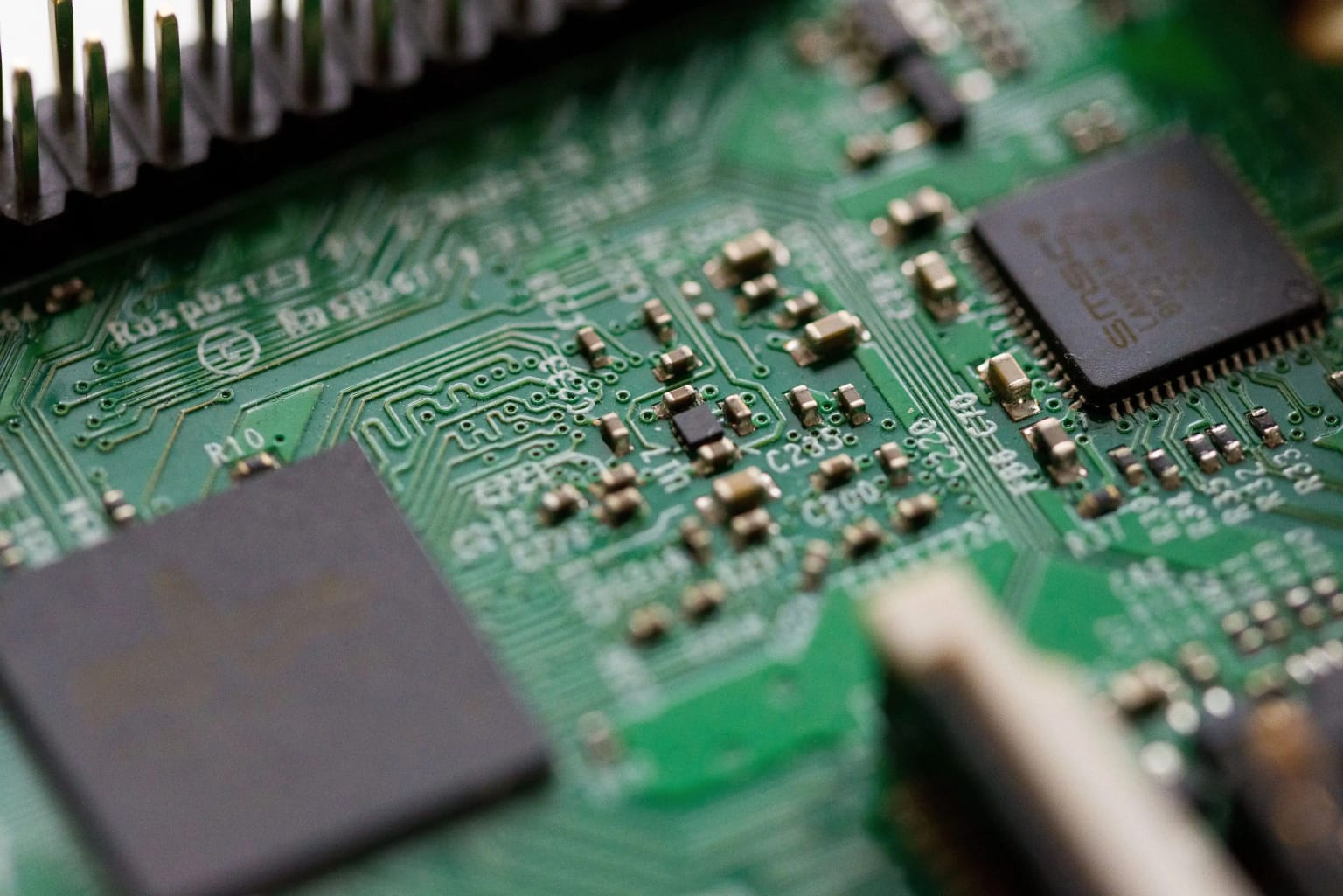
Electronics

  • Heat exchanger covers
  • Housings for scintillators
  • Insulating parts

Consumer Goods

  • Reusable trays for shelving systems
  • Plant trays
  • Waste containers
  • Toy boxes
  • Funnels for rain collectors
  • Mounts/trays for photovoltaic modules
  • Containers for household chemicals

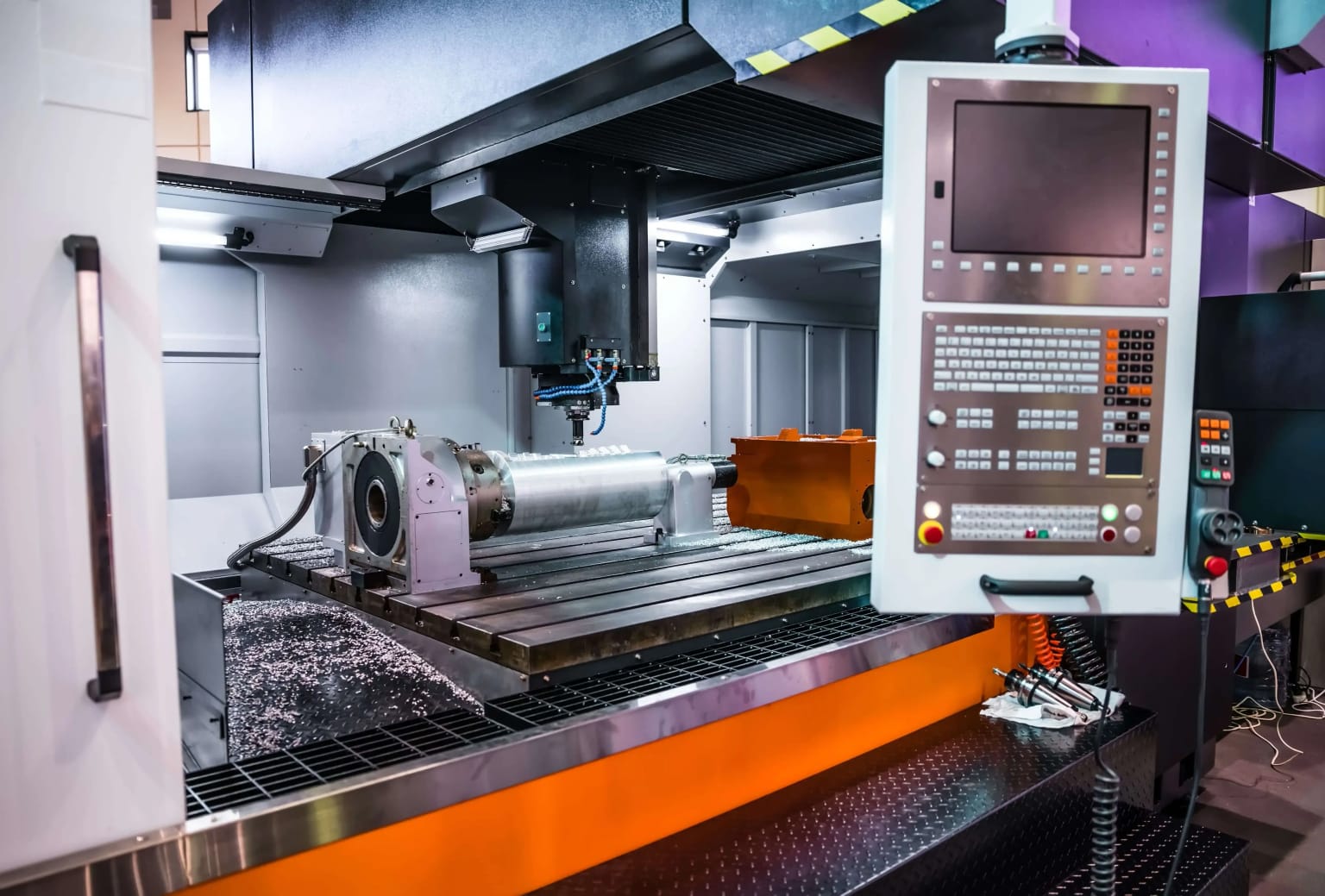
Mechanical Engineering

  • Covers
  • Protective caps
  • Transport trays for aluminum housings
  • Inlays for heat exchangers
  • Covers for food machinery
  • Cups for turned parts
  • Chemical containers

Industrial Solutions

  • Technical covers
  • Pin trays
  • Lids for pallet boxes
  • Alkali tanks
  • Trays for liquid disposal
  • Oil catch trays
  • Stackable containers
  • Inlays for transport boxes
  • Casting molds
  • Chemical-resistant transport packaging

Agriculture & Horticulture

  • Fertilizer containers and chemical trays
  • Catch trays for pesticides
  • Seed storage containers
  • Feed transport trays
  • Irrigation system components
  • Trays for seedlings and young plants
  • Containers for liquid fertilizer
  • Protective covers for irrigation systems
  • Trays for watering systems
  • Compost containers
  • Harvest crates (chemical-resistant)
  • Protective housings for sensors and measuring technology outdoors
  • Catch trays for drip irrigation
  • Storage containers for seed dressing
  • Transport boxes for agrochemicals
  • Protective caps for irrigation valves
  • Trays for disinfection solutions (animal husbandry)

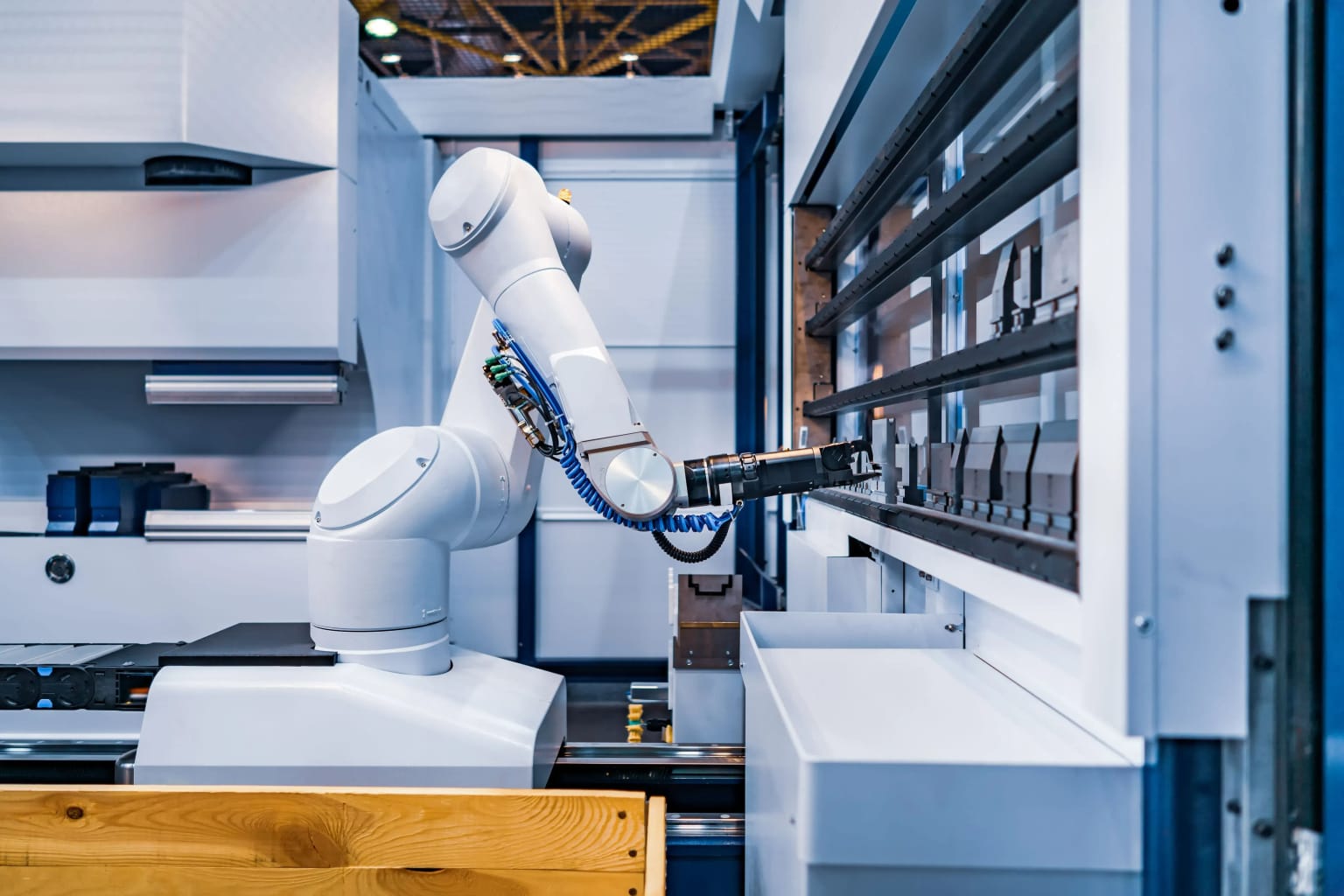
Robotics

  • Chemical-resistant trays for cleaning stations
  • Catch containers for cooling fluids
  • Protective caps for robot axes (chemical environment)
  • Inlays for tool changing systems
  • Containers for lubricants and oils
  • Transport trays for sensitive electronic components
  • Protective covers for robot grippers in chemical environments
  • Trays for automated immersion baths
  • ESD-protected transport containers for electronic components
  • Cable management in chemically stressed environments
  • Insulated protective housings for control units
  • Catch trays for process fluids
  • Containers for automated dosing systems

Aerospace & Defense

  • Catch trays for hydraulic fluids
  • Chemical containers for maintenance and servicing
  • Protective covers for engine components (storage)
  • Transport containers for fuel samples
  • Insulated housings for electronic components
  • Trays for degreasing and cleaning baths
  • Stackable containers for small parts and fasteners
  • Trays for sensitive avionics components
  • Protective packaging for instruments and sensors
  • Containers for corrosion inhibitors
  • Inlays for tool cases and transport boxes
  • Catch trays for oils and lubricants
  • ESD-protected transport trays for electronics
  • Protective covers for outdoor storage
  • Trays for chemical cleaning processes
  • Containers for de-icing agents
  • Transport boxes for batteries and accumulators
  • Protective housings for measuring technology under extreme conditions
  • Chemical-resistant inlays for ammunition crates
  • Catch containers for brake fluid
  • Insulating caps for electrical connections

Frequently asked questions about HD-PE plastic

What is HD-PE plastic?

HD-PE (high-density polyethylene) is a widely used thermoplastic that is particularly resistant to oils, chemicals and moisture. HD-PE is mainly used for thermoformed containers, tubs, transport boxes, covers and industrial inlays.

What are the properties of HD-PE plastic?
How well can HD-PE be thermoformed?
What are the advantages of HD-PE plastic?
What are the disadvantages of HD-PE in thermoforming?
In which industries is HD-PE plastic used?
Can HD-PE plastic be glued or welded?
What alternatives are there to HD-PE plastic?

Further Information That Might Interest You

 Design Guidelines for Plastic Thermoformed Parts – Top 13 Tips for Plastic-Optimized Construction
Thermoformed Parts in Practice

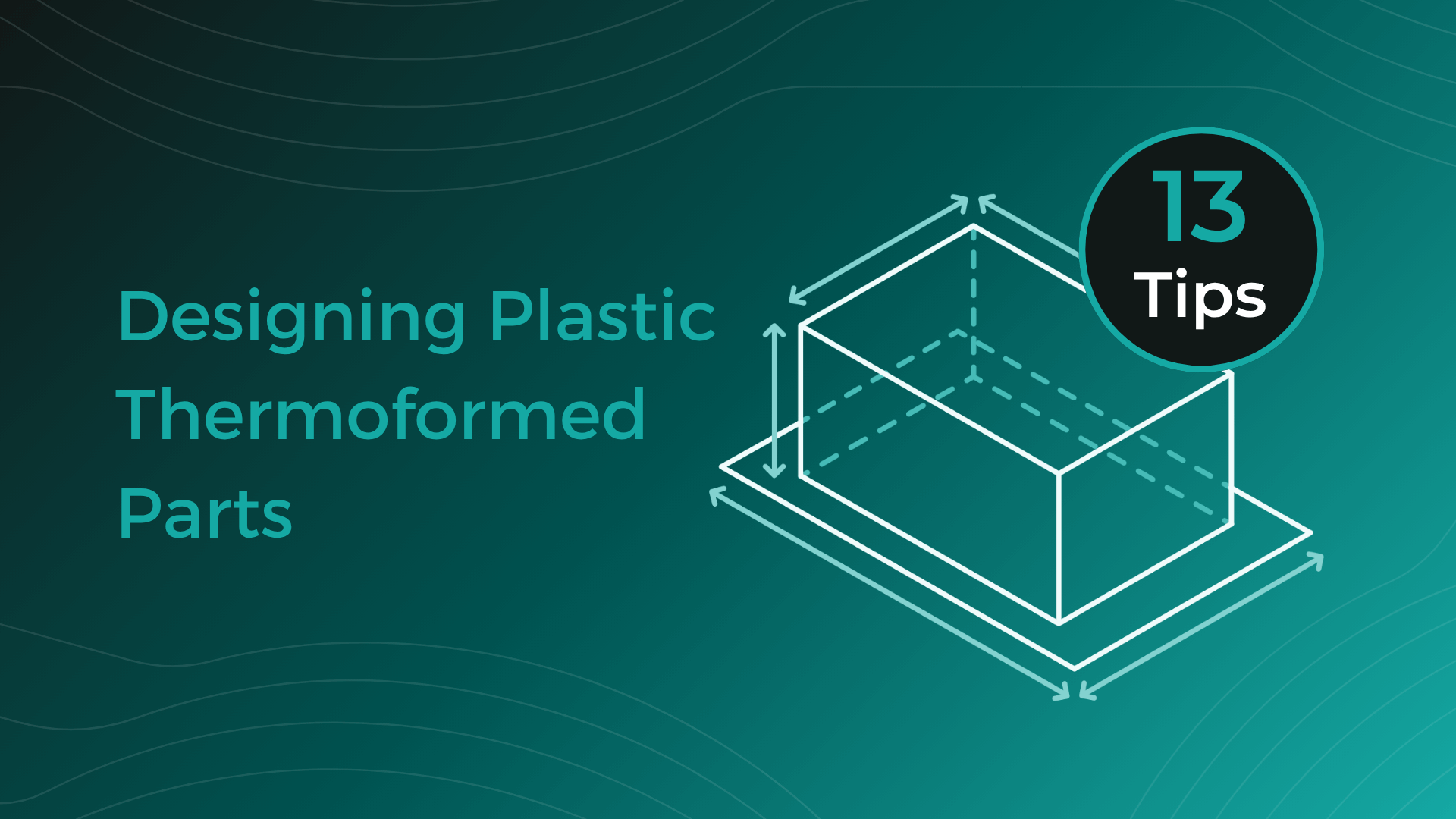
Design Guidelines for Plastic Thermoformed Parts – Top 13 Tips for Plastic-Optimized Construction

Plastic thermoforming is shaped by factors like material quality, temperature, pressure, speed, and tool geometry. With the right design principles, you can prevent errors in CAD and production. formary has gathered key tips to help you optimize your thermoformed parts.
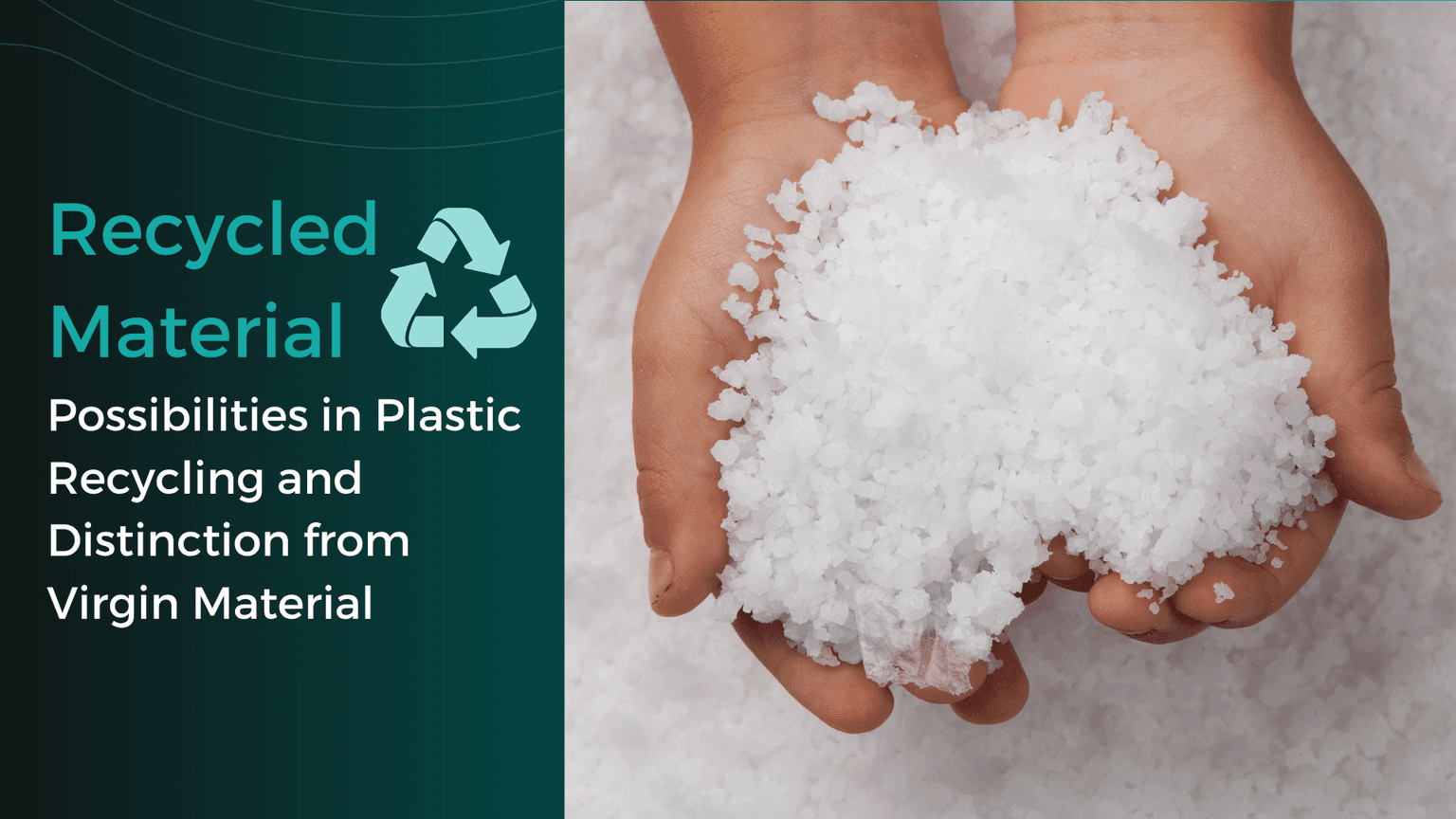
What is Recyclate? Options in Plastic Recycling and Distinction from Virgin Material
Thermoformed Parts in Practice

What is Recyclate? Options in Plastic Recycling and Distinction from Virgin Material

In an increasingly sustainability-oriented world, recycling and the reuse of materials play a key role. Plastic recyclates offer a sustainable alternative to virgin materials. But what exactly does the term mean, and how can recyclates be distinguished from virgin materials? Read more now.
Kunststoff Extrusion - Herstellung von Kunststfffolie
Thermoformed Parts in Practice

Plastic Extrusion: How Plastic Film is Made

Plastic extrusion is a highly efficient manufacturing process that transforms plastic granules into continuous film. This versatile material is used across various industries, tailored to specific applications and performance requirements.
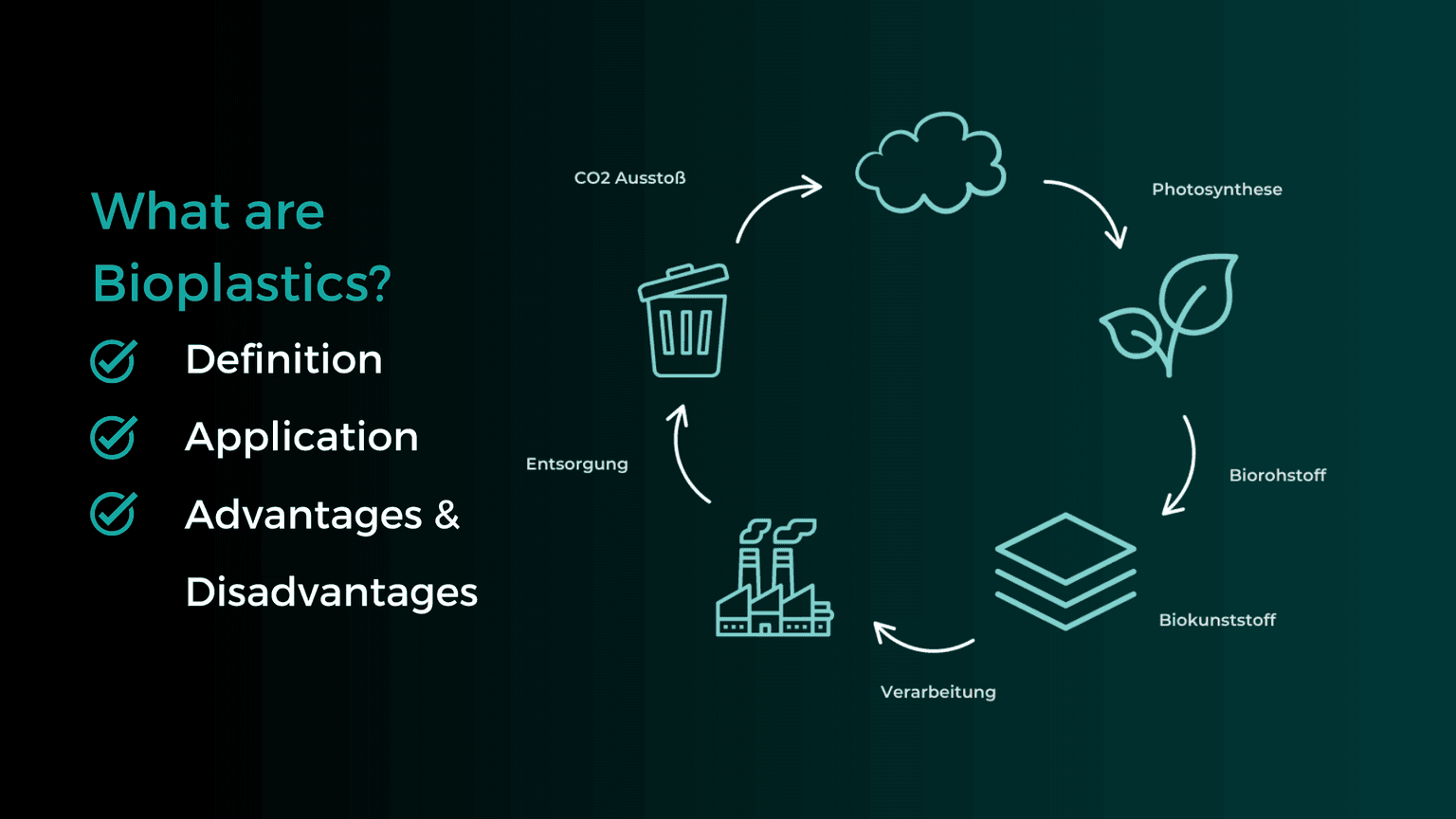
What are Bioplastics
Thermoformed Parts in Practice

What Are Bioplastics? Definition, Applications, Advantages, and Limitations

Bioplastics are plastics that are either made from renewable raw materials or are biodegradable - or both. They offer a wide range of possible applications - but what exactly are bioplastics, how are they produced and what advantages or limitations do they have compared to traditional plastics?

Thermoformed Parts Made Easy. With formary.

Get your non-binding offer today.

Don't miss out on important tips and news about thermoformed parts.

By submitting your registration, you accept the privacy policy and will receive an email to confirm your subscription.