


Polyvinyl chloride

PVC Plastic

PVC (polyvinyl chloride) is a rigid, strong thermoplastic with very high transparency and excellent chemical resistance. It can be thermoformed extremely well and is ideal for blisters, packaging, transparent covers and technical covers — especially wherever resistance to acids, alkalis and chemicals is required.

What is PVC plastic?

PVC plastic, short for polyvinyl chloride, has relatively high rigidity and strength. Due to its additional high transparency and resistance to various chemicals and substances, PVC plastic is often used in the packaging industry, medical technology and mechanical engineering.

Processing and thermoformability of PVC

PVC plastic stands out due to its very good thermoformability. In practice, PVC can be thermoformed without difficulty into a wide variety of shapes and designs with sharp contours. In post-processing, blisters made from PVC plastic can also be bonded and welded very effectively. In terms of processing and thermoformability, polyvinyl chloride is therefore a high-quality material.

Material options for PVC

Kunststoff Eigenschaften_SiegelfähigkeitSealability
Kunststoff Eigenschaften_VerschweißbarWeldable
Kunststoff Eigenschaften_BedruckbarPrintable

Strengths and weaknesses of PVC at a glance

  • Price

  • Colors

  • Features

    • Very high transparency
    • High rigidity and hardness
    • Very good mechanical properties
    • Very good processability
    • Resistant to acids, alkalis, detergents, alcohol, oils and petrol
    • Very good sealability
    • Cost-effective
  • Weaknesses

    • Difficult to recycle
    • Not suitable for use in the food industry

Challenges of PVC plastic

Recycling challenges

PVC plastic presents challenges in the recycling process. During the energy recovery of PVC, environmentally concerning substances such as gaseous hydrogen chloride or heavy-metal stabilizers can be produced. For this reason, incineration plants are equipped with complex filter technologies that neutralize these substances and prevent harmful emissions.

Substitution with PET

Due to high energy costs, polyvinyl chloride is usually substituted with PET-A plastic whenever the application allows it. Nevertheless, PVC remains the better choice for specific applications with high chemical requirements.

Facts, figures and data on PVC

GroupStandard Thermoplastics
StructureAmorphous
Density1.39
Continuous Use Temperature Min. (in °C)-5
Continuous Use Temperature Max. (in °C)65
Thermal Expansion Transverse/Longitudinal to Flow Direction (10^-6 *K)80
Melting Temperature (°C)80
Max. Temp. Short-Term (°C)70
Max. Temp. Long-Term (°C)60
Impact Strength (KJ/m^2)80
Yield Stress (N/mm²)58
Tensile Strength (N/mm²)58
Tensile Modulus of Elasticity (N/mm²)2900
Elongation at Break (%)15
Flexural Strength (N/mm²)85
Ball Indentation Hardness (N/mm²)130
Dielectric Strength (kV/mm)40
Volume Resistivity (Ω · m)1E13
Surface Resistivity (Ω)1E13
Tracking Resistance CTI600

Applications of PVC plastic

Electronics

  • Transparent covers for distribution boxes
  • Lampshades
  • Drone covers
  • Protective covers for electronic components
  • Viewing windows for control cabinets

Mechanical Engineering

  • Collection trays for chemicals and acids
  • Rinsing trays
  • Protective covers for pumps
  • Filling systems
  • Trays for surgical simulation
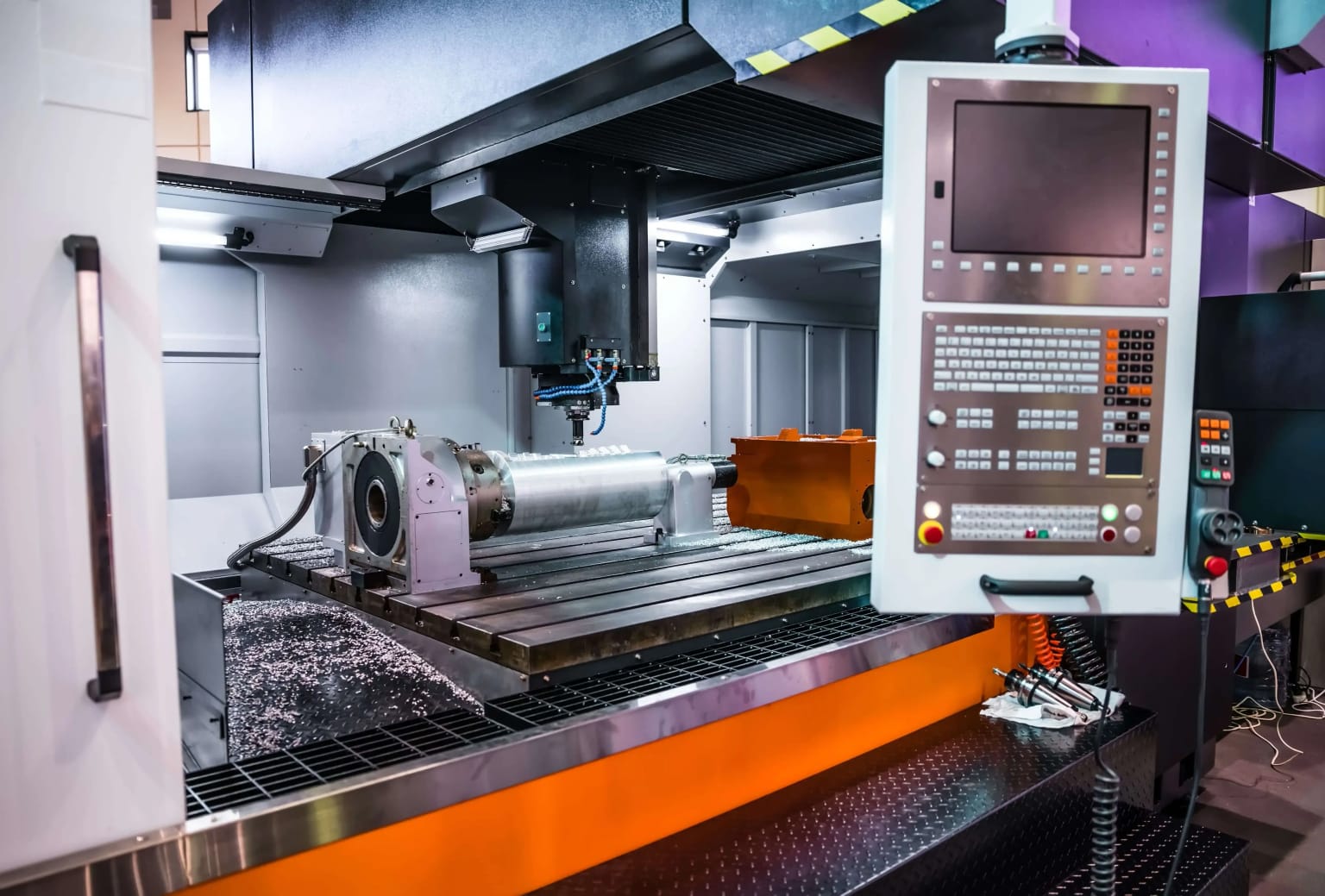
  • Protective covers for machines
  • Chemical-resistant trays

Industrial Solutions

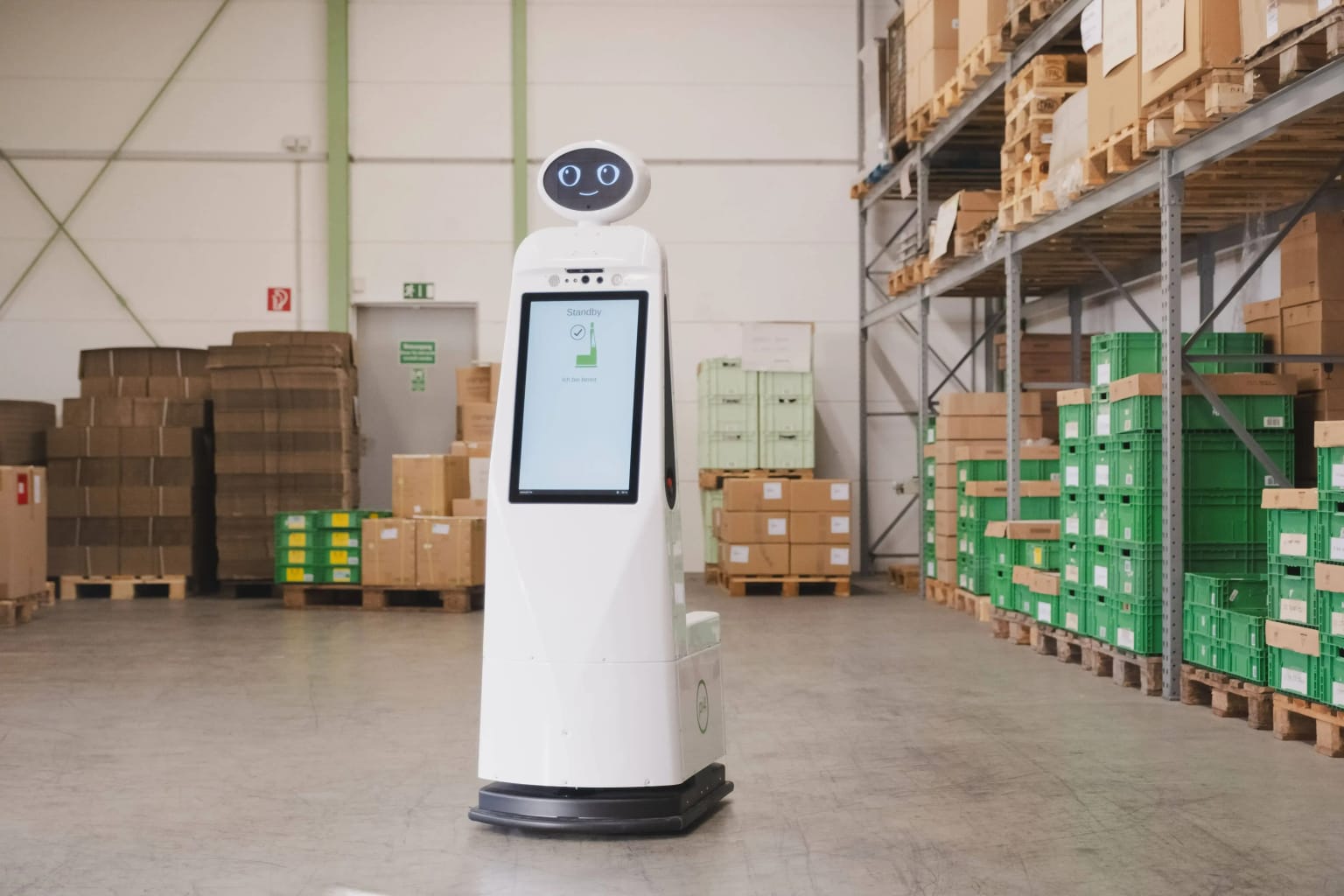
  • Transport boxes
  • Covers for thread grinding machines
  • Inlays for abrasives
  • Collection trays for acids and alkalis
  • Seat shells
  • Molded parts in the construction sector: pipes and ducts
  • Ventilation grilles
  • Chemical-resistant containers

Medical Technology

  • Medical covers
  • Protective housings for medical devices
  • Tubs for sanitary areas
  • Sterilizable packaging, secondary packaging

Consumer Goods

  • Mountings for raised beds
  • Back panels for posters
  • Transparent sleeves
  • Display packaging
  • Blister packaging

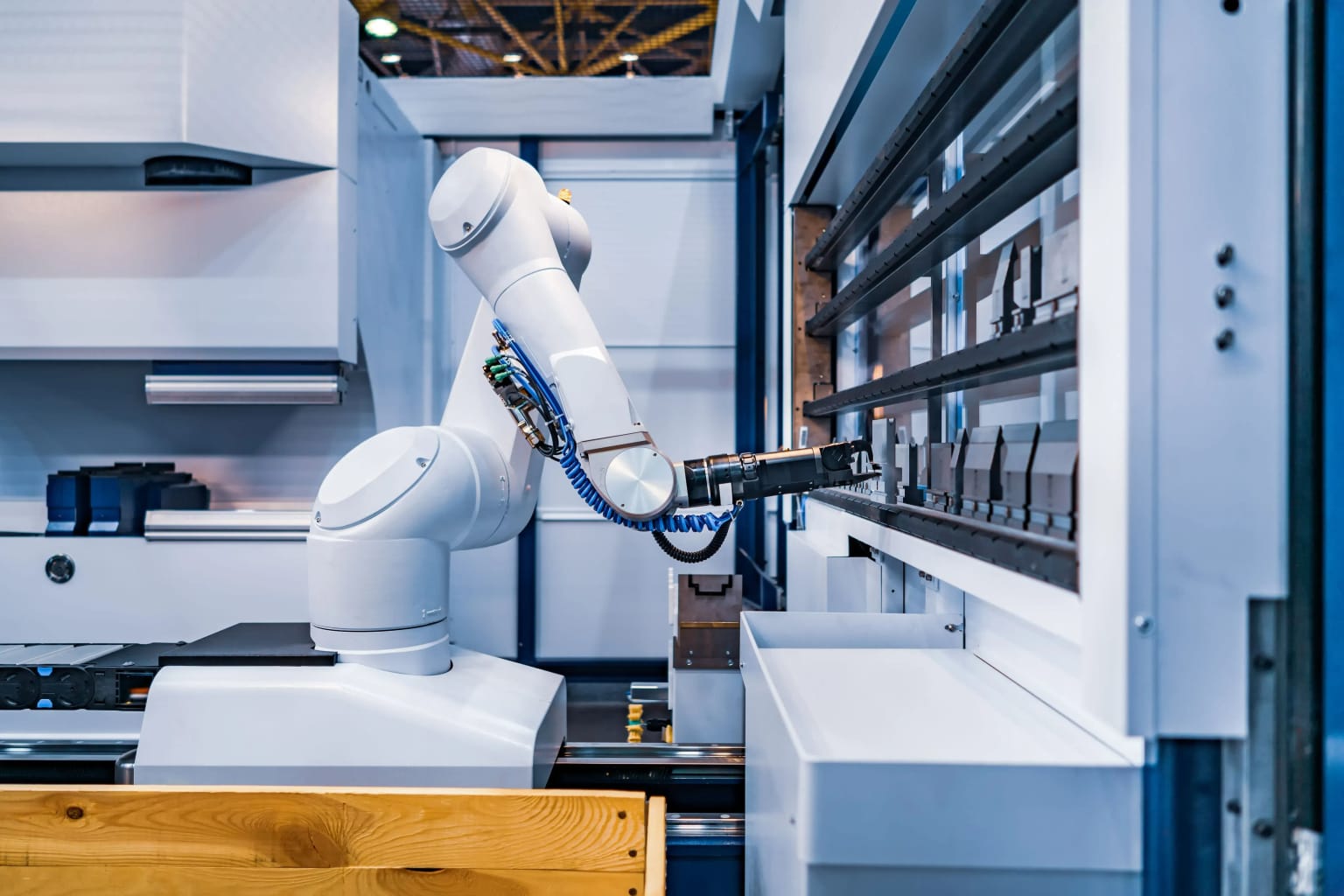
Robotics

  • Chemical-resistant trays for cleaning systems
  • Collection containers for process fluids
  • Protective covers in chemical environments

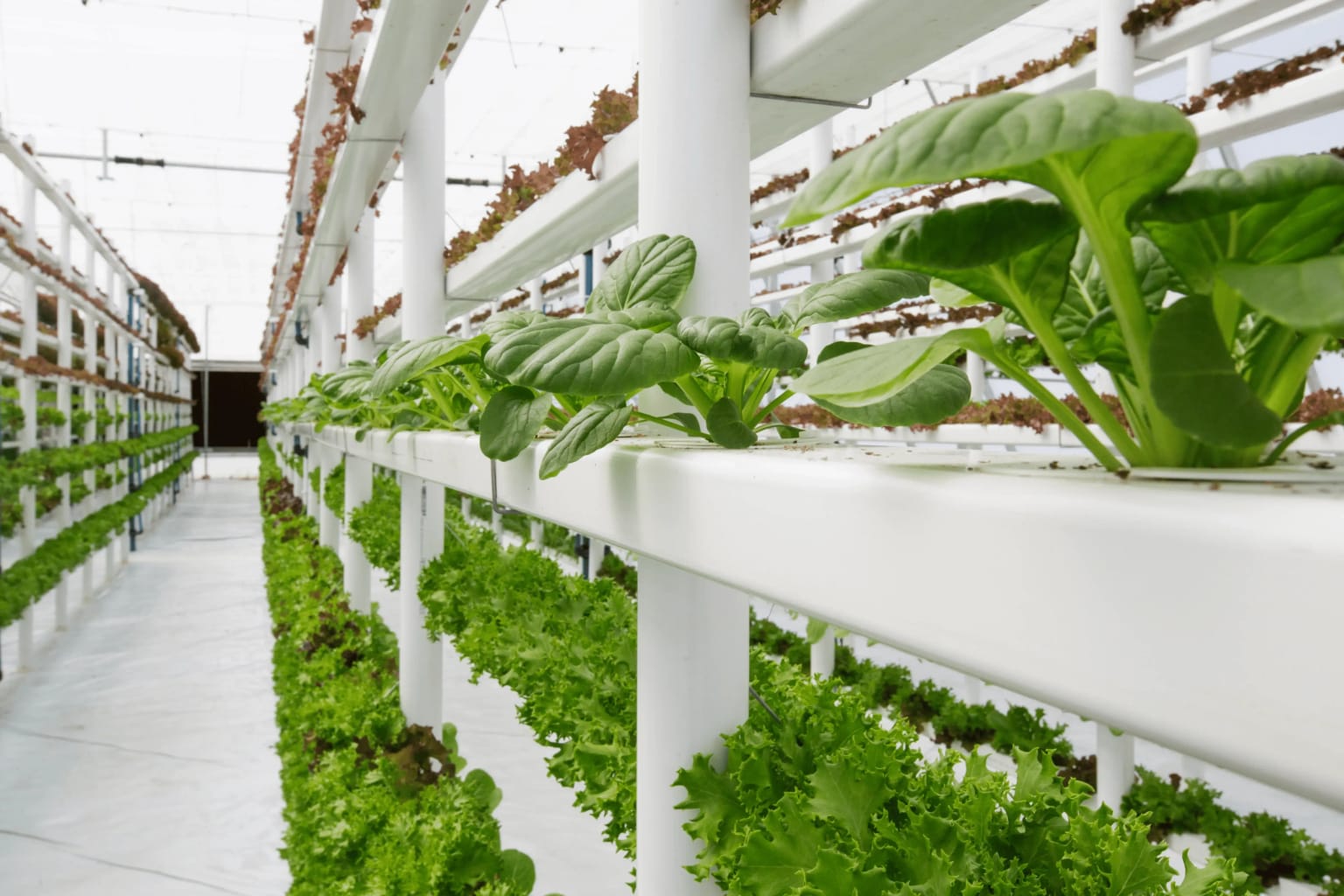
Agriculture & Horticulture

  • Collection trays for fertilizers and chemicals
  • Chemical-resistant containers
  • Raised-bed components

Frequently asked questions about PVC plastic

What is PVC plastic?

PVC plastic (polyvinyl chloride) is a rigid, solid thermoplastic that is very easy to thermoform. Due to its high transparency and resistance to chemicals, PVC is often used for blister packs, packaging, transparent covers, machine covers and medical thermoformed parts.

What are the properties of PVC plastic?
How well can PVC be thermoformed?
What are the advantages of PVC plastic?
In which industries is PVC plastic used?

Further Information That Might Interest You

 Design Guidelines for Plastic Thermoformed Parts – Top 13 Tips for Plastic-Optimized Construction
Thermoformed Parts in Practice

Design Guidelines for Plastic Thermoformed Parts – Top 13 Tips for Plastic-Optimized Construction

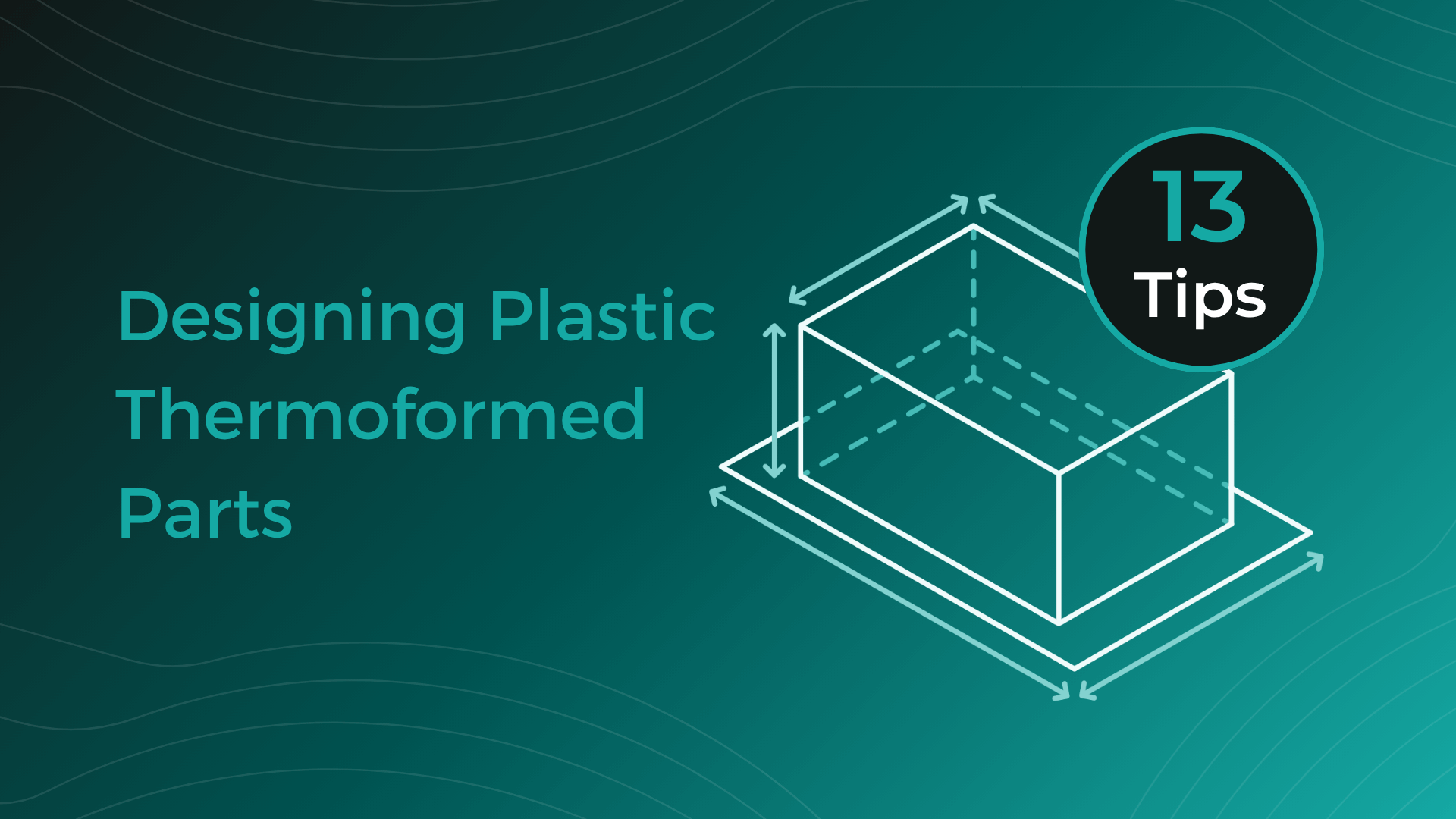
Plastic thermoforming is shaped by factors like material quality, temperature, pressure, speed, and tool geometry. With the right design principles, you can prevent errors in CAD and production. formary has gathered key tips to help you optimize your thermoformed parts.
Injection Molding vs. Thermoforming
Thermoformed Parts in Practice

Injection Molding vs. Plastic Thermoforming – Advantages, Disadvantages, Differences, and Similarities

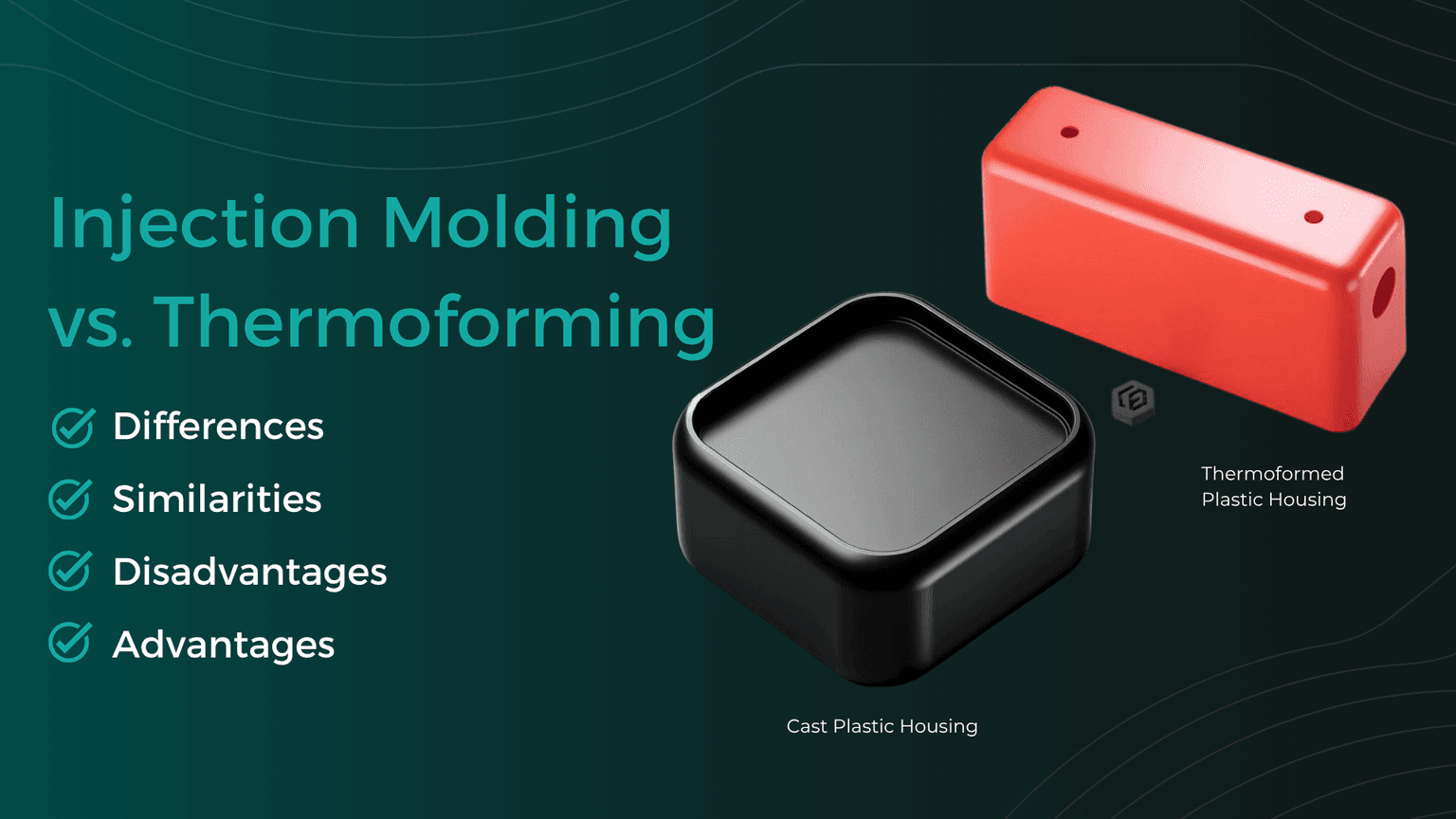
In the world of plastic processing, there are various common manufacturing methods used to produce precise plastic components for industrial applications. We compare two of them: Injection Molding and Plastic Thermoforming.
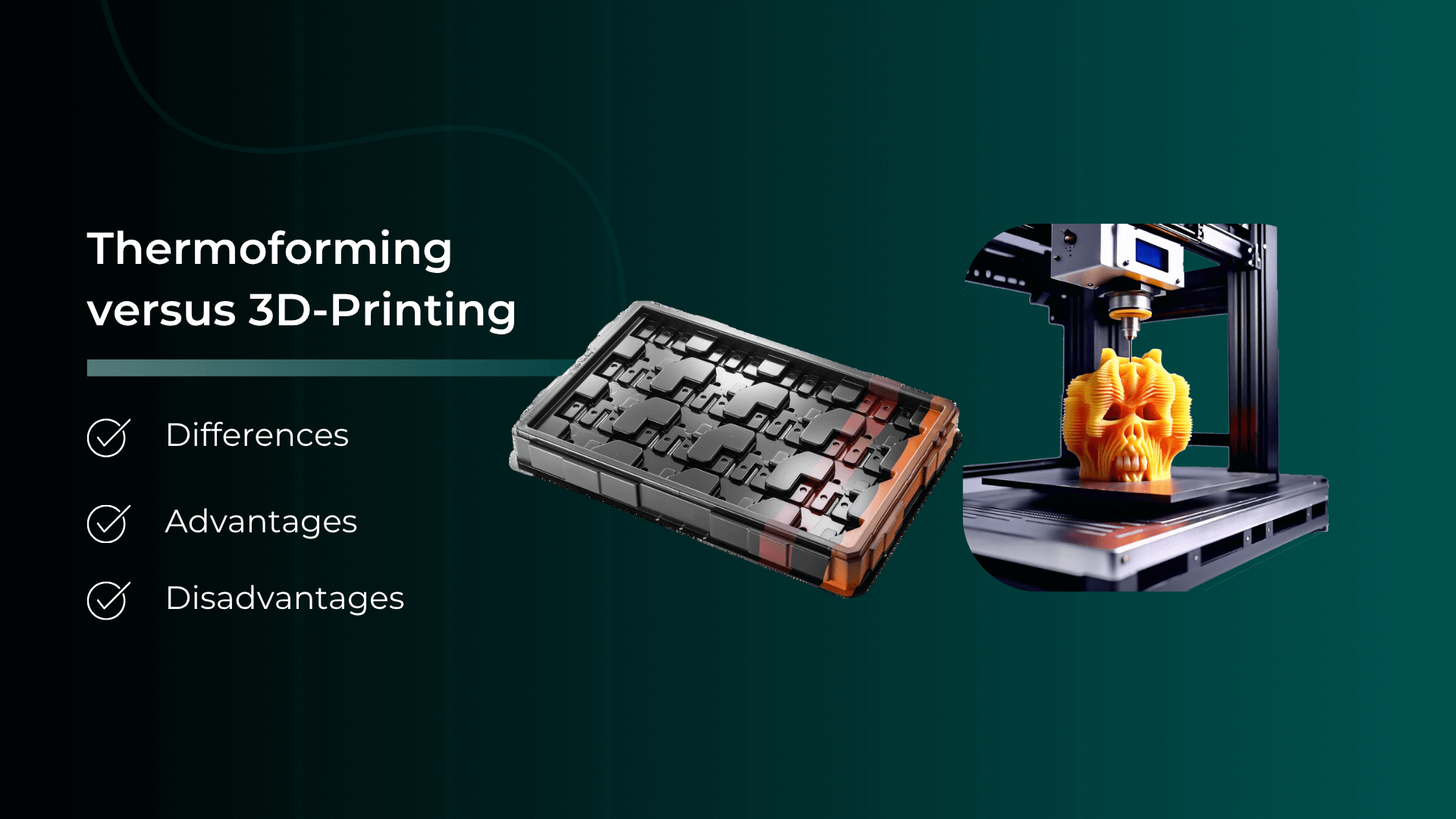
Thermoforming vs 3D-Printing
Thermoformed Parts in Practice

Thermoforming vs. 3D Printing – Advantages, Disadvantages, Differences, and Similarities

Plastic parts are manufactured using various processing methods. In this article, we focus on comparing the processes of plastic thermoforming and 3D printing.
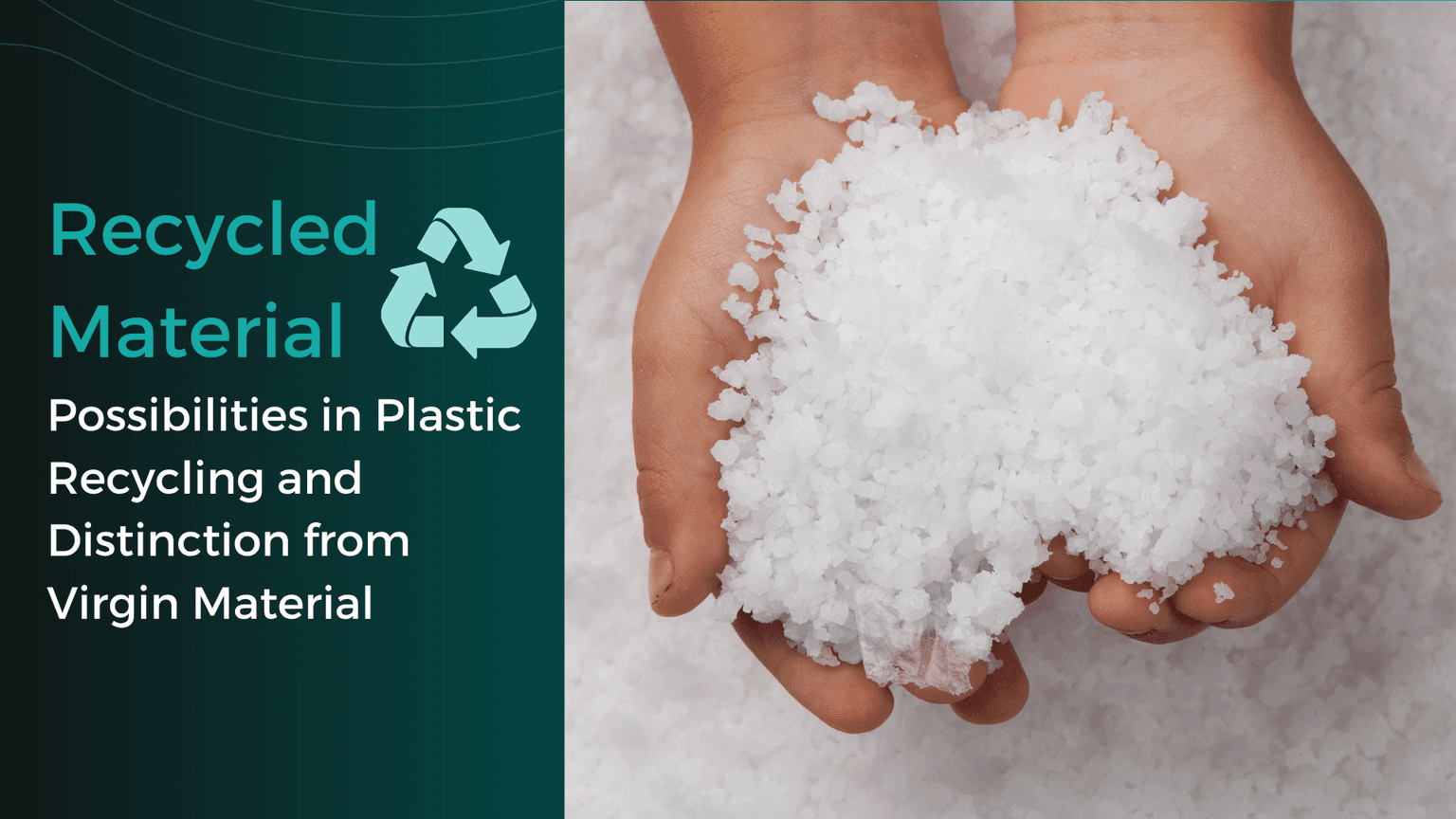
What is Recyclate? Options in Plastic Recycling and Distinction from Virgin Material
Thermoformed Parts in Practice

What is Recyclate? Options in Plastic Recycling and Distinction from Virgin Material

In an increasingly sustainability-oriented world, recycling and the reuse of materials play a key role. Plastic recyclates offer a sustainable alternative to virgin materials. But what exactly does the term mean, and how can recyclates be distinguished from virgin materials? Read more now.

Thermoformed Parts Made Easy. With formary.

Get your non-binding offer today.

Don't miss out on important tips and news about thermoformed parts.

By submitting your registration, you accept the privacy policy and will receive an email to confirm your subscription.