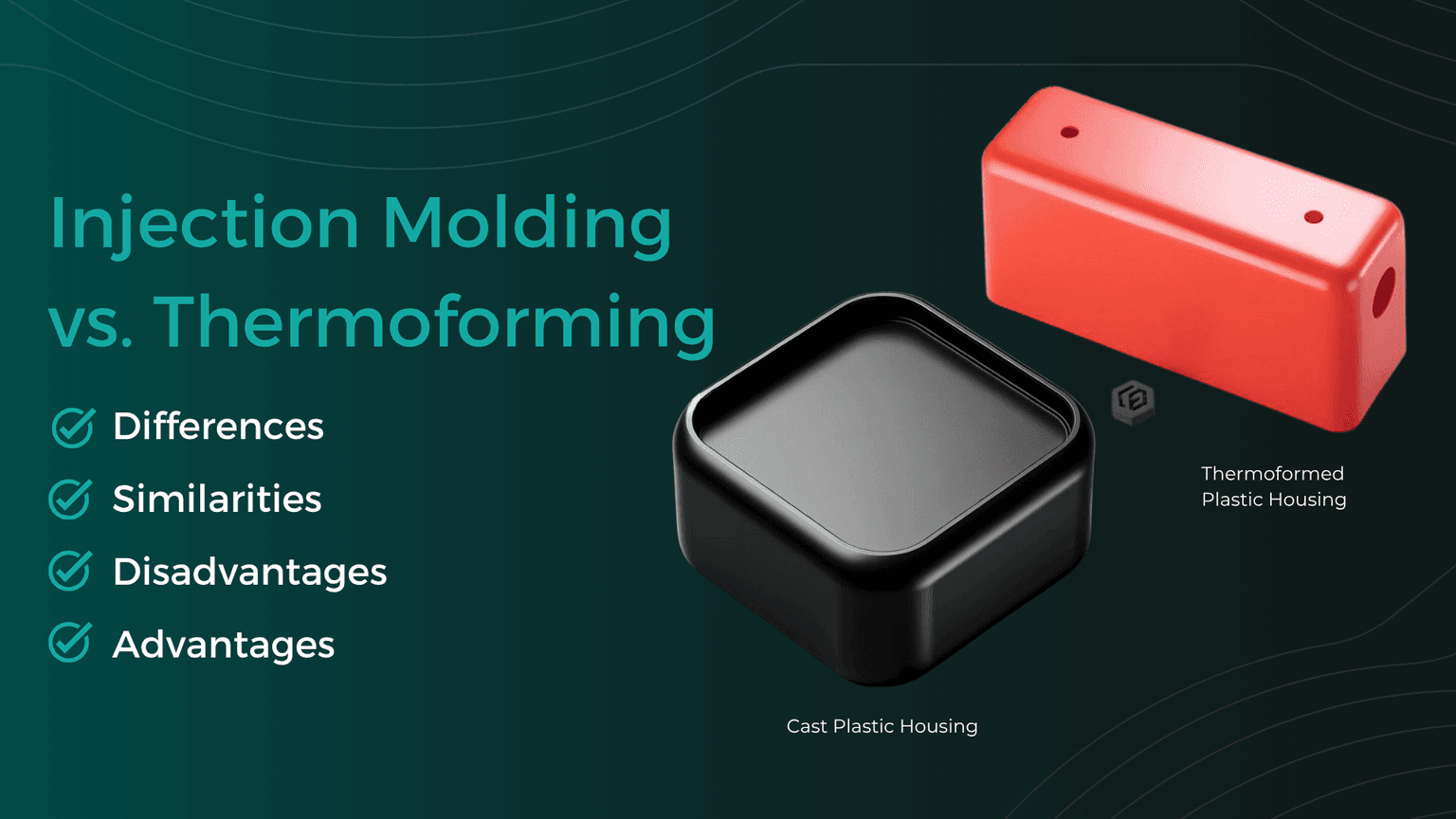
Injection Molding vs. Plastic Thermoforming – Advantages, Disadvantages, Differences, and Similarities
In the world of plastic processing, there are various common manufacturing methods used to produce precise plastic components for industrial applications. We compare two of them: Injection Molding and Plastic Thermoforming.
Sarah Guaglianone
Updated on August 28, 2026
Share
Injection Molding vs. Plastic Thermoforming – Key Facts at a Glance
Costs & Volume: Thermoforming is cost-effective for small to medium production runs due to its low tooling costs, starting from around 5 units. Injection molding requires high upfront investment in tooling but becomes highly economical in mass production thanks to extremely low unit costs, typically from 10,000 units upward.
Precision & Complexity: Injection molding enables very high precision and the production of complex geometries with details such as hooks or ribs. Thermoforming is better suited for large, less complex parts and generally has wider tolerances.
Lead Time: Thermoforming tools can be produced quickly, usually within a few weeks, resulting in short lead times. Injection molding tools are significantly more complex to manufacture and can take several months.
For a quick overview, you can also watch the related video:
By playing the video, you agree that your data will be transmitted to YouTube and that you have read the Privacy Policy.
What Is Injection Molding?
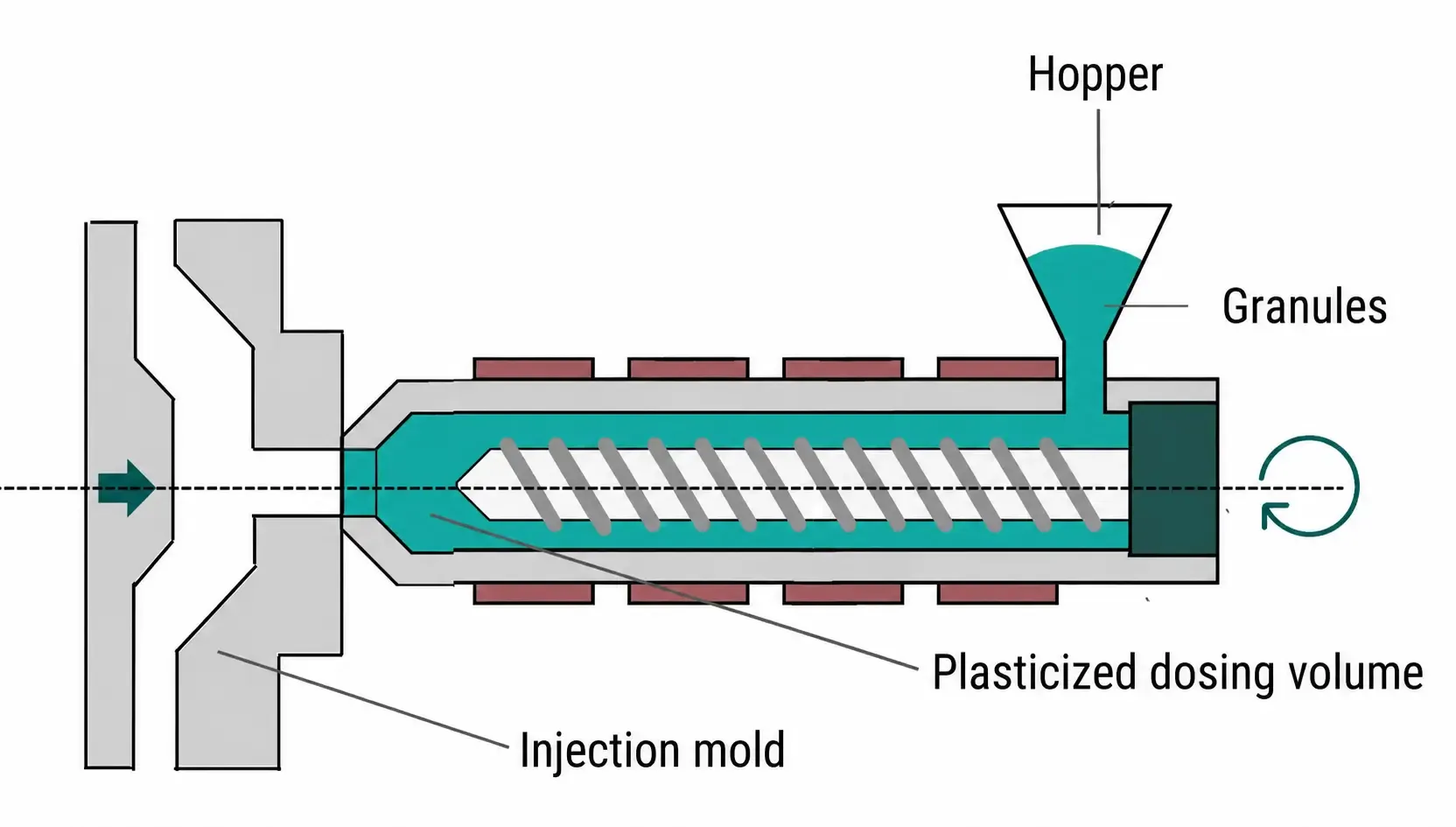
Injection molding is a widely used manufacturing process for producing plastic parts. It involves injecting molten plastic into a mold - hence the name. The plastic solidifies through hydraulic cooling, and once the mold opens, the finished part is ejected. But how exactly does the injection molding process work? Let's break it down.
How Does the Injection Molding Process Work?
Melting the Plastic: Plastic granules are heated until they become liquid. The mold, also known as the injection mold tool, is closed. This two-part mold forms the negative shape of the desired end product.
Injecting the Molten Plastic: The liquefied plastic is injected under high pressure into the closed mold, filling its cavities and taking its shape.
Cooling and Solidification: The injected plastic is cooled from the inside using water, causing it to solidify into a stable form.
Ejecting the Part: Once solidified, the mold opens, and the finished injection-molded part is removed.
What Is Plastic Thermoforming?
Plastic thermoforming, also known as vacuum forming, is a process in which thermoplastic sheets are heated, reshaped using forming machines, and cut into the desired shape by stamping or milling. This method enables the production of three-dimensional plastic parts with various shapes and sizes, tailored to specific applications.
ℹ️ In addition to classic plastic thermoforming, also known as the single-sheet process, there is also twin-sheet thermoforming, in which two plastic films or sheets are heated simultaneously. You can find more information in our blog article on the twin-sheet process.
ℹ️ In addition to classic plastic thermoforming, also known as the single-sheet process, there is also twin-sheet thermoforming, in which two plastic films or sheets are heated simultaneously. You can find more information in our blog article on the twin-sheet process.
How Does the Thermoforming Process Work?
Plastic thermoforming works in this way:
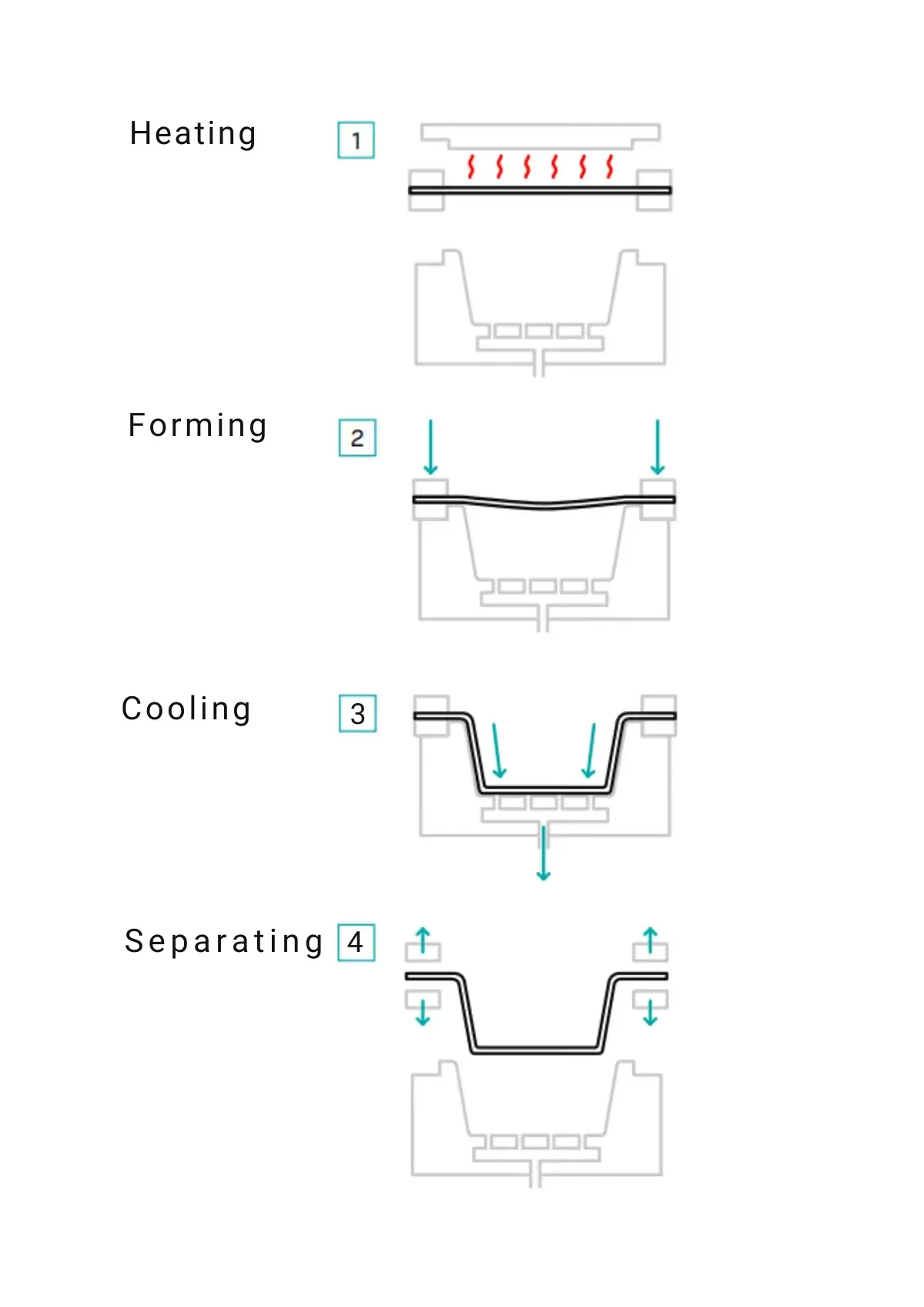
Plastic Thermoforming Process
Heating: The thermoplastic sheet is heated to its forming temperature, where it becomes elastic and moldable.
Forming: The softened sheet is stretched over a mold. It is secured in a frame and shaped using vacuum pressure or mechanical force. This process usually takes only a few seconds.
Cooling: The material cools upon contact with the mold, stabilizing its shape.
Trimming: Once cooled, excess material is removed using stamping or milling processes.
Injection Molding vs. Thermoforming: Key Differences
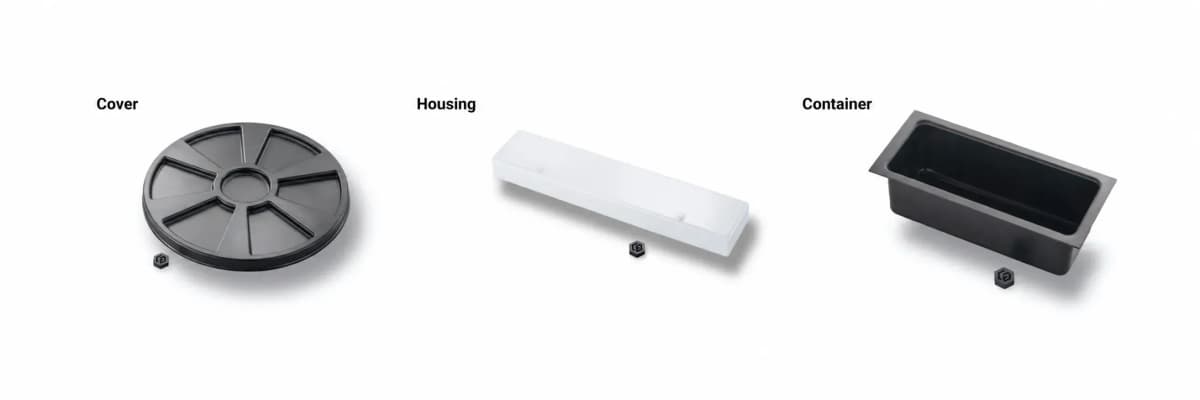
Thermoforming: Ideal for small to medium quantities, e.g. covers, trim parts or packaging.
Injection molding: Economical for high volumes starting from 10,000 units, e.g. technical components or mass-produced products.
Some thermoformed products, such as yogurt cups, can even be manufactured in quantities of millions.
General Comparison between Injection Molding and Thermoforming
Factor
Thermoforming
Injection Molding
Production Volume
Medium > 5
Hoch > 10.000
Delivery Time
Weeks
Months
Tooling Costs
Medium
High
Tolerances
-
++
Cost Comparison: Thermoforming vs. Injection Molding
In thermoforming, the initial investment is significantly lower than in injection molding. This is due to the single-sided tool design, as no cavity is required.
Thermoforming tools: approx. €500–10,000, or more for large parts.
Injection molding tools: from €20,000 upwards, even for smaller parts.
ℹ️ Important to note: Once the thermoforming tool has been made from production-grade material, such as aluminum, it can be scaled to very high volumes, that can often go well into the six-figure range without rework.
Lead times in comparison
Thermoforming: Tools can be manufactured within 1–2 weeks.
Injection molding: Standard tools require at least 10 weeks of manufacturing time.
Tolerances and accuracy
Thermoforming: Tolerances are usually around ±1 mm, according to ISO 2768-c for nominal lengths of 120–400 mm.
Injection molding: Very tight tolerances are possible, typically ±0.1 mm, and even down to ±0.025 mm for precision parts.
Conclusion: Thermoforming is more cost-effective and faster for smaller quantities, while injection molding is better suited for high precision and large-scale production.
ℹ️ Would you like to compare plastic thermoforming with other processes? In our article A Comparison of Plastic Manufacturing Processes, we show you the differences and similarities between thermoforming and 3D printing, CNC milling, and foam solutions. If you’d like to compare thermoforming directly with 3D printing, we recommend our article 3D Printing vs. Thermoforming.
Advantages and disadvantages of injection molding
Injection molding makes it possible to produce a high number of precise plastic parts. Continuous consistency and repeatability are crucial, especially when producing large quantities of plastic components, and these are precisely the aspects that the injection molding process guarantees. Despite the many advantages offered by the injection molding process, there are also some potential disadvantages to consider.
Overview of the possibilities and limitations of the injection molding process
Advantages of injection molding
Disadvantages of injection molding
Low unit costs for mass production
High tooling costs
High precision and reproducibility
Comparatively high wear on tools
Suitable for complex shapes and contours such as hooks, combs, and ribs
Thin-walled parts often more expensive than deep drawing
High surface quality
High energy consumption
Injection molded parts do not require reworking
Design changes are expensive
Process can be fully automated
Long lead times
Advantages and disadvantages of plastic thermoforming
Plastic thermoforming is economically attractive especially for medium-sized series and short lead times. Low tooling costs and a wide material selection make it particularly flexible.
However, it is important to note that, unlike injection molding, the tool in the thermoforming process only has contact with the material on one side, which entails certain geometric restrictions. More on this in the Design Guide.
Overview of the possibilities and limitations of plastic thermoforming
Advantages of plastic thermoforming
Disadvantages of plastic thermoforming
Low investment costs for tools
Tool adjustments can be expensive
Cost-effective production
Slightly slower manufacturing process than injection molding
Worthwhile even for small quantities
Complex shapes with very thin walls are limited
Optimal options for post-processing
Potential difficulty in achieving uniform material thicknesses in complex shapes
Post-industrial recycling possible for simple cycles
One-sided material contact
Unrivaled for thin-walled parts
More complex geometries from the injection molding sector cannot be produced
Short lead times
Semi-finished products more expensive than with injection molding
Large selection of materials
Cutting and punching costs
All sizes and shapes possible (large parts)
Potential sources of error in semi-finished product manufacturing due to frozen stresses in the material during extrusion
Similarities between Plastic Thermoforming and Injection Molding
Whether produced by thermoforming or injection molding, plastic products share certain properties that make them attractive for many industries.
Key advantages of plastic parts
Low weight: Due to their lower density compared to metals, plastic parts are lighter and more efficient, for example in vehicles.
Durability: Many plastics are robust and retain their function even after long periods of use.
Corrosion resistance: Thermoplastics are hardly affected by moisture or chemicals, making them particularly durable.
Electrical insulation: Plastic provides reliable insulation; with special materials such as ESD trays, it can even protect against electrostatic discharge.
Areas of Application for Injection Molding and Plastic Thermoforming
Some products can be manufactured using either injection molding or thermoforming, provided the geometry is adapted accordingly. The choice between thermoforming and injection molding depends on the specific product requirements, materials, production volume and costs.
Industries with overlapping applications
Both injection molding and thermoforming are used in many industries:
Plastic thermoforming or injection molding? – Conclusion and recommendations
The choice between injection molding and thermoforming depends on various factors. Tooling costs, geometries, production volumes and lead times all need to be weighed when deciding between the two processes.
For comparatively low investment costs, production volumes of 5–10,000 units and short lead times, plastic thermoforming is the optimal solution. In any case, a detailed analysis of the requirements is important in order to make the best possible decision.
Injection molding is a process in which molten plastic is injected into a mold to produce complex geometries with high precision. Thermoforming heats plastic sheets, which are then drawn into a mold and trimmed. Thermoforming is better suited for large-surface parts and smaller production runs, while injection molding is ideal for high volumes and complex shapes.
Yes. Modern thermoforming can certainly be used to produce high-quality, visible plastic parts,
not just simple packaging trays. The process is often underestimated because it is associated with yogurt cups
or disposable packaging. In many industries, however, visible Class-A-like components are
thermoformed.
Injection molding becomes worthwhile from around 10,000 units, as tooling costs are high but unit costs become very low. Thermoforming is already economical for small to medium quantities starting from around 5 units, as tooling costs are significantly lower and lead times are shorter.
Both processes are used in packaging, automotive, medical/pharmaceutical applications, electronics, semiconductor technology and consumer goods. The choice of process depends on production volume, design requirements and the required level of precision: thermoforming for medium-sized, large-surface parts, injection molding for complex, highly precise components.
The price comparison between thermoforming and injection molding depends heavily on quantity, tooling costs, material and geometry. As a rule of thumb, thermoforming is particularly economical for small to medium-sized series, as tooling costs are comparatively low and tool modifications can usually be implemented more cost-effectively.
Injection molding, on the other hand, is often worthwhile for large series. Although tooling costs are significantly higher and development time is usually longer, unit costs are lower at high volumes. In addition, injection molding enables very complex geometries as well as precise and consistent wall thicknesses.
In thermoforming, unit costs are often higher in a direct comparison, but parts can be developed more quickly and tools can be adapted more cost-effectively. The geometries are generally simpler, and wall thicknesses may be less uniform depending on the part.
The economic break-even point is often roughly between 5,000 and 50,000 parts. Below this range, thermoforming is often more cost-effective. Above this range, injection molding usually becomes more economical because the lower unit costs compensate for the higher tooling costs.
Further Resources
Thermoformed Parts in Practice
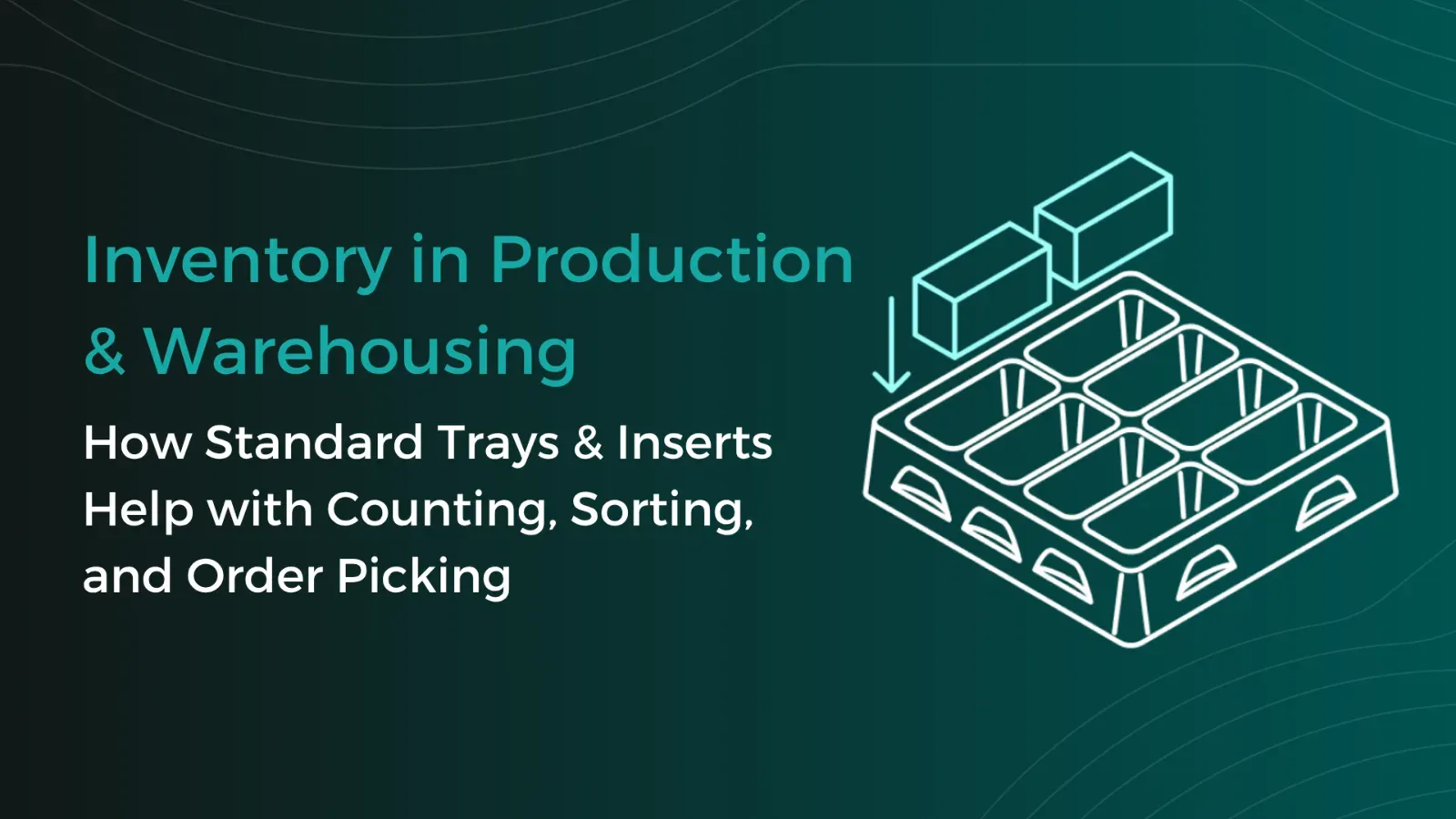
Warehouse Inventory: Tips & Tricks for Better Warehouse Organization and Efficiency with Trays
Warehouse inventories cost time, tie up staff, and often disrupt ongoing operations. This is especially true for small parts, serial components, or recurring components, where counting quickly becomes confusing if parts are stored loose in boxes or shelf compartments. Standard trays create a simple yet effective structure here for better warehouse organization. This article shows how trays optimize inventory counts in both the warehouse and production.
Thermoformed Parts in Practice
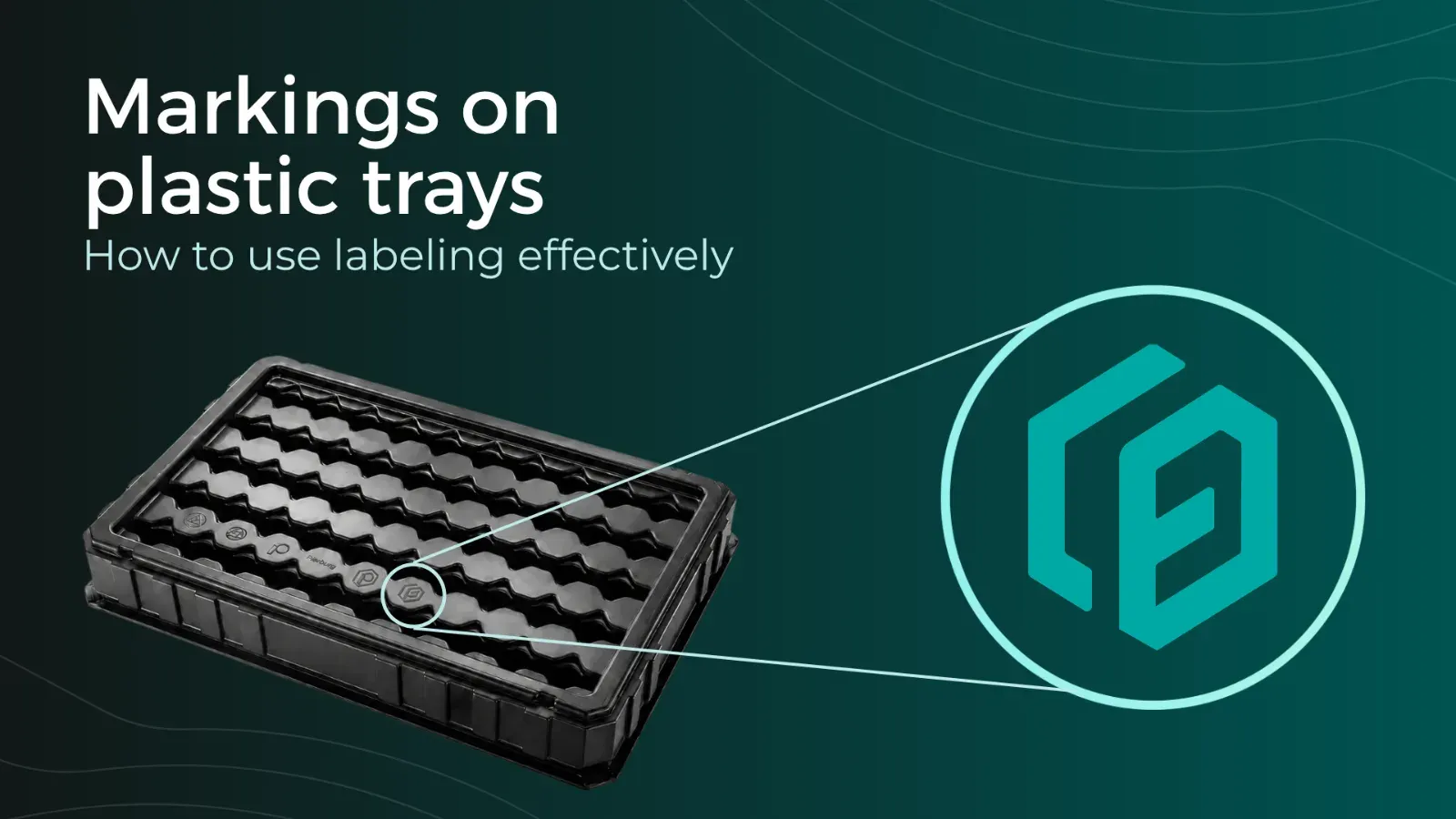
Tray Labeling: How to Use Labels Effectively for Your Packaging
To ensure that trays can be correctly identified and used, clear labeling is essential. Depending on the application, quantity, and process requirements, different methods can be used, such as permanent engraving or flexible labels. In this article, you will learn which tray labeling methods are available, when each method makes sense, and how labeling can already be incorporated into the tray design using formary’s 3D Tray Generator.
Thermoformed Parts in Practice
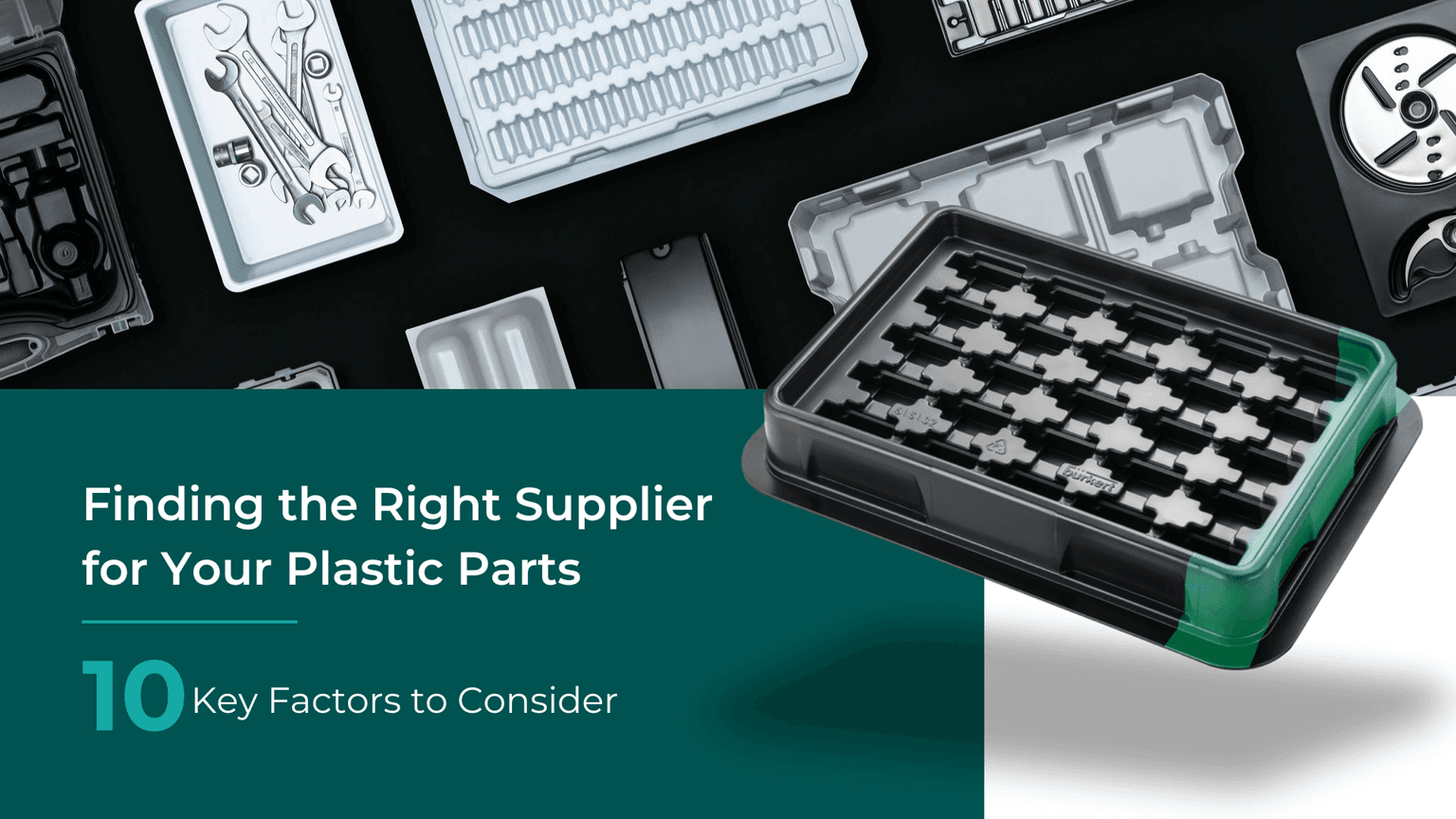
Supplier Guide for Plastic Thermoformed Parts – 10 Key Factors That Matter
Choosing the right supplier for plastic thermoformed parts is crucial for the quality, efficiency, and cost-effectiveness of your production. Our 10 tips will show you what to look for when selecting a supplier.
Platform & Features
3 Factors That Accelerate Your Procurement with formary
The three key factors—time, speed, and efficiency—are crucial for success in industrial manufacturing, from inquiry to delivery. That’s why formary has optimized this process, significantly accelerating the procurement of plastic thermoformed parts. Learn more in this article.
Thermoformed Parts in Practice
Rapid Prototyping in Thermoforming – Definition, Benefits & Processes
Rapid prototyping is used in product development to quickly create preliminary models. In thermoforming, rapid prototyping offers numerous advantages for producing high-quality prototypes efficiently and cost-effectively.
Platform & Features
Project Planning in Thermoforming – From Concept to Mass Production
From the initial idea to mass production, various factors must be considered in thermoforming project planning, including material selection, tool manufacturing, and quality control. This article provides a detailed look at how a thermoforming project with formary is executed.
Thermoformed Parts in Practice
Thermoforming vs. 3D Printing – Advantages, Disadvantages, Differences, and Similarities
Plastic parts are manufactured using various processing methods. In this article, we focus on comparing the processes of plastic thermoforming and 3D printing.
Thermoformed Parts in Practice
Injection Molding vs. Plastic Thermoforming – Advantages, Disadvantages, Differences, and Similarities
In the world of plastic processing, there are various common manufacturing methods used to produce precise plastic components for industrial applications. We compare two of them: Injection Molding and Plastic Thermoforming.
Thermoformed Parts in Practice
Checking CAD Models for Thermoformability: The Designer's Guide
Whether a plastic part is thermoformable is determined in the CAD model. Anyone who discusses geometry, wall thicknesses, and demoldability only after the first sampling pays for this loop with tool modifications, material waste, and lost weeks in the project timeline. This can be avoided during design: with a structured check that evaluates each model along this guide and makes typical sources of error visible early on.