






Polystyrene

PS Plastic

PS (polystyrene) is the standard reference plastic in thermoforming because it is universally applicable, cost-effective and fast to process. It is ideally suited for transport trays, packaging and technical housings with low mechanical requirements. Its excellent bondability makes PS perfect for assembly applications.

What is PS plastic?

Polystyrene, or PS for short, is considered the standard reference plastic in plastic thermoforming and is used for many applications. This is why many thermoforming projects start with PS plastic. When polystyrene is mentioned in thermoforming, it always refers to the impact-modified type PS-HI (high impact). PS plastic has a medium temperature application range of up to 80°C. Its medium hardness and strength mean that PS plastic is frequently used for thermoformed packaging and transport applications with low mechanical requirements and cost-effective production options.

Processing and thermoformability of PS

PS plastic films or sheets require short heating and cooling cycles in the thermoforming machine, resulting in a high processing speed. Since PS has similar shrinkage behavior to PET-G, PET-A and ABS plastic, it is often possible to process these materials on a tool designed for PS plastic. For this reason, PS plastic can be described as a bottom-up plastic, from which it is possible to switch to a thermoplastic with increased mechanical properties and stability, such as ABS plastic, if required.

Material options for PS plastic

Kunststoff Eigenschaften_AntistatischAntistatic
Kunststoff Eigenschaften_AntistatischESD
Kunststoff Eigenschaften_BeflocktFlocked
Kunststoff Eigenschaften_SiegelfähigkeitSealability
Kunststoff Eigenschaften_VerklebbarAdhesive
Kunststoff Eigenschaften_BedruckbarPrintable
Kunststoff Eigenschaften_RegeneratRegenerate

Strengths and weaknesses of PS at a glance

  • Price

  • Colors

  • Features

    • High rigidity
    • High hardness
    • Resistant to chemicals
    • Component assembly: excellent bondability
    • Features possible: flocked, metallized, electrically conductive
    • Substitution with PET(-G) or ABS using the same tool possible
    • Low minimum order quantities
  • Weaknesses

    • Weak mechanical properties
    • Low stability
    • Brittle and prone to breakage under load
    • Temporarily highly volatile prices

Post-processing of PS

In the post-processing or assembly of PS blisters, the plastic stands out due to its excellent bondability. This makes PS ideal for applications in which different components need to be joined together.

Procurement of PS plastic

Price volatility

Thermoformable PS is strongly dependent in procurement price on the quotation of the precursor material styrene. Seasonal price peaks can occur in midsummer due to its use in the construction materials industry.

Facts, figures and data on PS plastic

GroupStandard Thermoplastics
StructureAmorphous
Density1.05
Continuous Use Temperature Min. (in °C)-20
Continuous Use Temperature Max. (in °C)60
Thermal Expansion Transverse/Longitudinal to Flow Direction (10^-6 *K)80
Melting Temperature (°C)100
Max. Temp. Short-Term (°C)80
Max. Temp. Long-Term (°C)70
Impact Strength (KJ/m^2)10
Abrasion Resistance-
Yield Stress (N/mm²)26
Tensile Strength (N/mm²)32
Tensile Modulus of Elasticity (N/mm²)2150
Elongation at Break (%)3
Flexural Strength (N/mm²)103
Ball Indentation Hardness (N/mm²)150
Dielectric Strength (kV/mm)43
Volume Resistivity (Ω · m)>1E14
Surface Resistivity (Ω)>1E14
Tracking Resistance CTI425

Applications of PS plastic

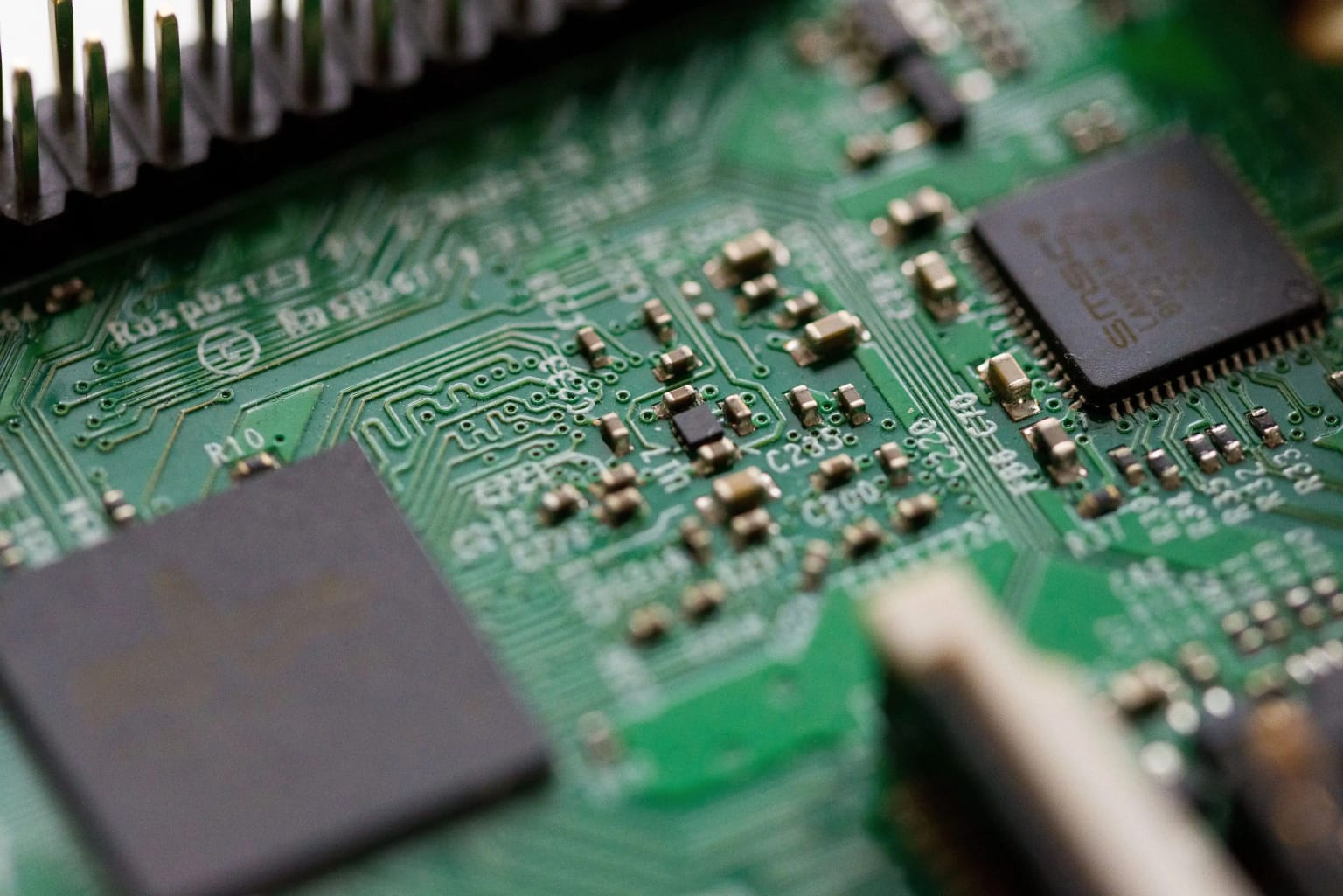
Electronics

  • Refrigerator linings
  • Meter cabinet side panels
  • Housings for electronic components
  • Trays for printed circuit boards (PCB)
  • ESD trays for sensitive electronics
  • Trays for batteries
  • Housing parts and circuit boards
  • Splash protection for batteries
  • Trays for control units
  • Automation trays with adhesive grippers
  • Trays for assembled PCBs (PCBA)
  • Frames for potting printed circuit boards
  • Trays for adapter plates
  • Trays for pressure sensors
  • Trays for relays
  • Packaging inlays for electronic devices
  • Inlays for circuit boards and temperature sensors

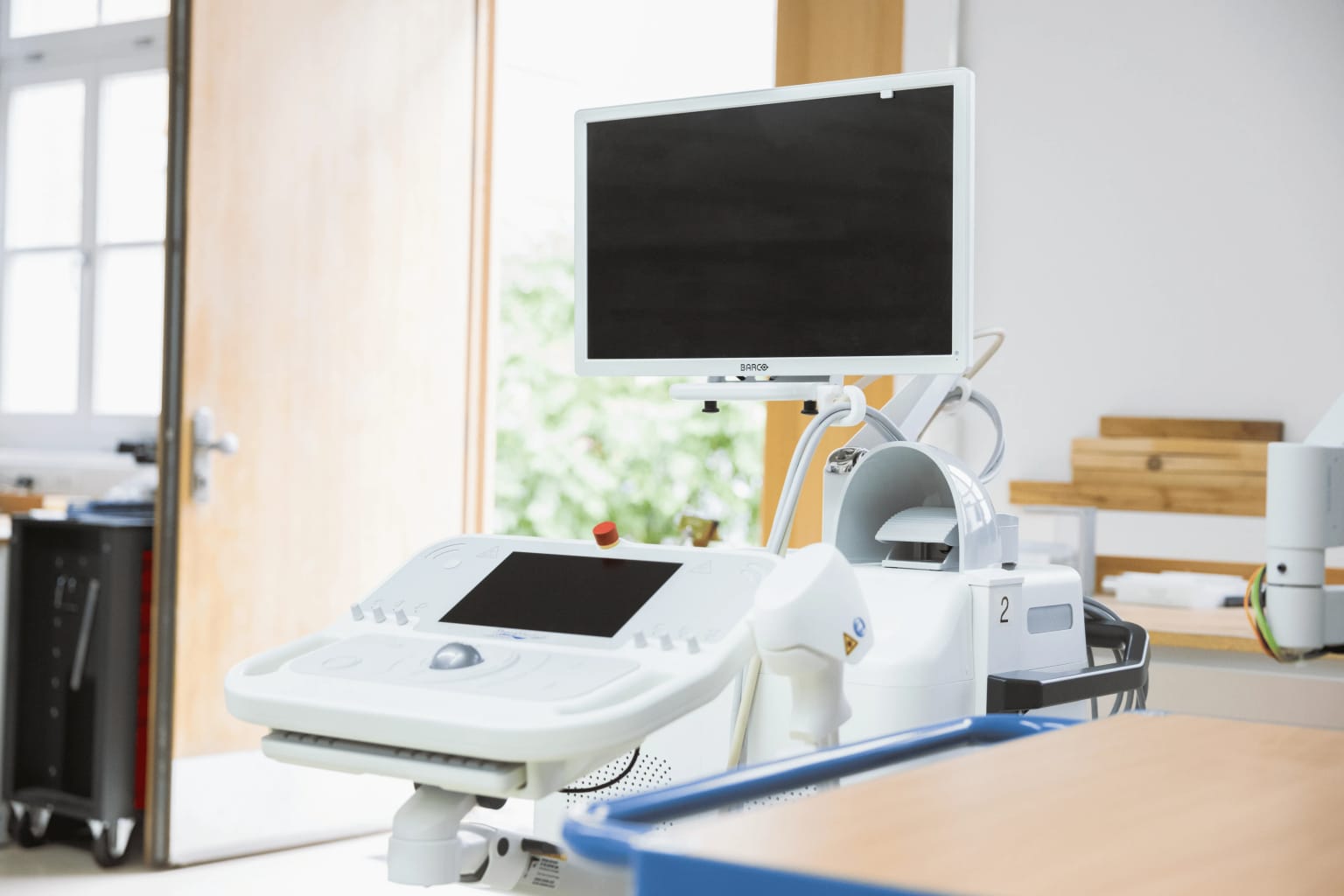
Medical Technology

  • Stationary eyewash stations with transparent cover
  • Drawer inserts
  • Trays for medical parts
  • Inlays for dental components
  • Containers for microsurgical instruments
  • Tubs for sanitary areas
  • Covers for pharmaceutical shipping containers
  • Trays for toothbrushes
  • Trays for bottles
  • Inlays for sleeves
  • Drawer inserts for the dental sector
  • Drawer inlays for dental laboratories
  • Medication trays

Consumer Goods

  • Decorative furniture covers
  • Flower and plant inserts
  • Game inserts
  • Case inlays for tool sets
  • Packaging inlays
  • Inlays for toolboxes
  • Trays for cosmetic products
  • Cosmetic packaging
  • Blisters for small parts
  • Trays for toothbrushes

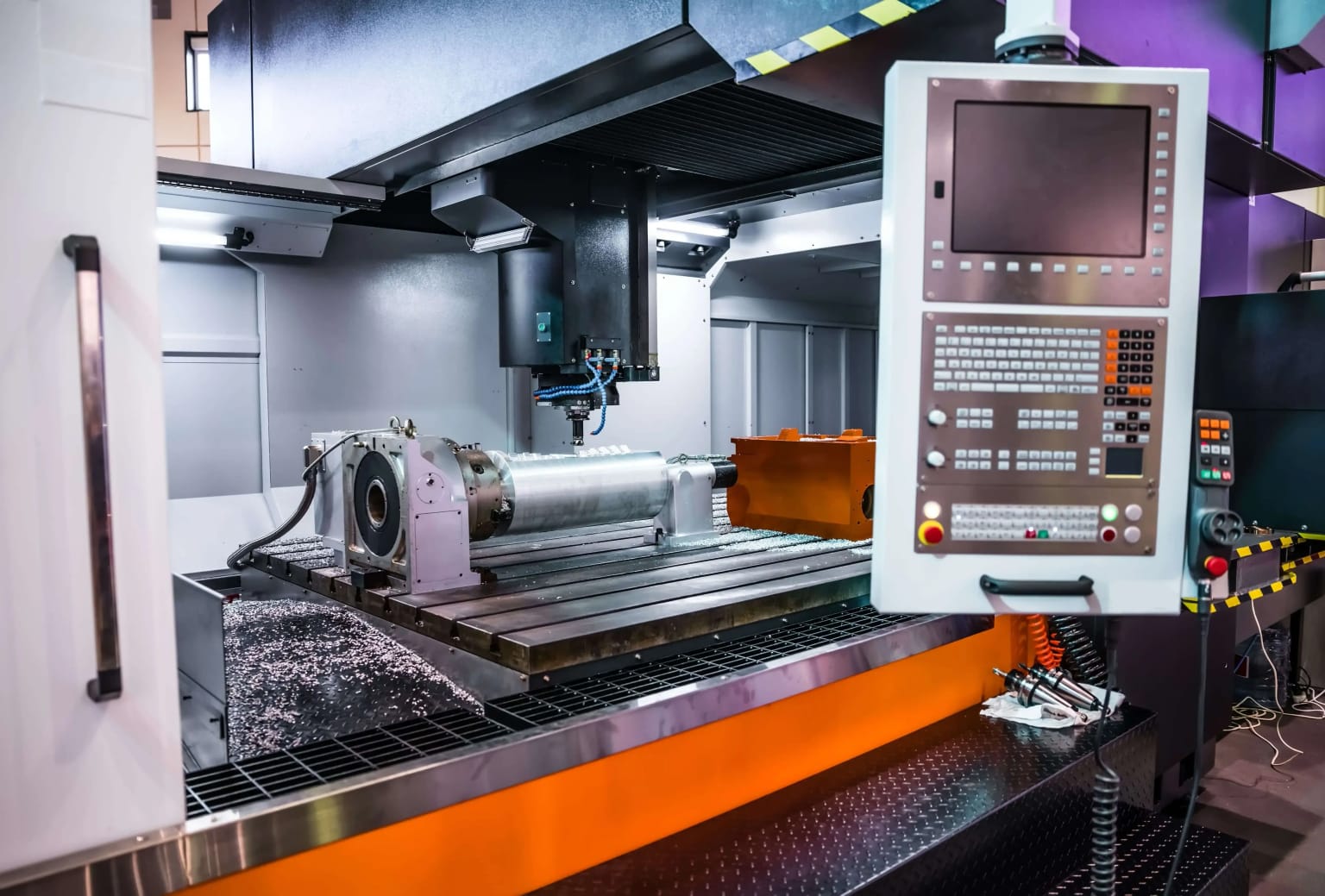
Mechanical Engineering

  • Protective covers for control panels
  • Maintenance boxes
  • Inlays for toolboxes
  • Automation trays
  • Trays for rulers
  • Trays for silicone molded parts
  • Trays for transport
  • Trays for aluminum components
  • Trays for metal housings
  • Trays for control discs
  • Trays for spindles
  • Trays for clamping bushings
  • Packaging for polygon mirrors
  • Inlays for drawers
  • Trays for timepieces
  • Floor trays

Industrial Solutions

  • Standard transport trays
  • Base inlays for KLT containers
  • Trays in automatic loading systems
  • Trays for aluminum components
  • Trays for valve seats
  • Inlays for lenses
  • Inlays for heat protection
  • Housings for heated stainless steel containers
  • Transport trays for steel components
  • Crate inserts
  • Inlays for stainless steel components
  • Trays for springs
  • Interior linings for heating cabinets
  • Drip trays
  • Collection trays
  • Taper rings
  • Covers
  • Etching containers

Automotive

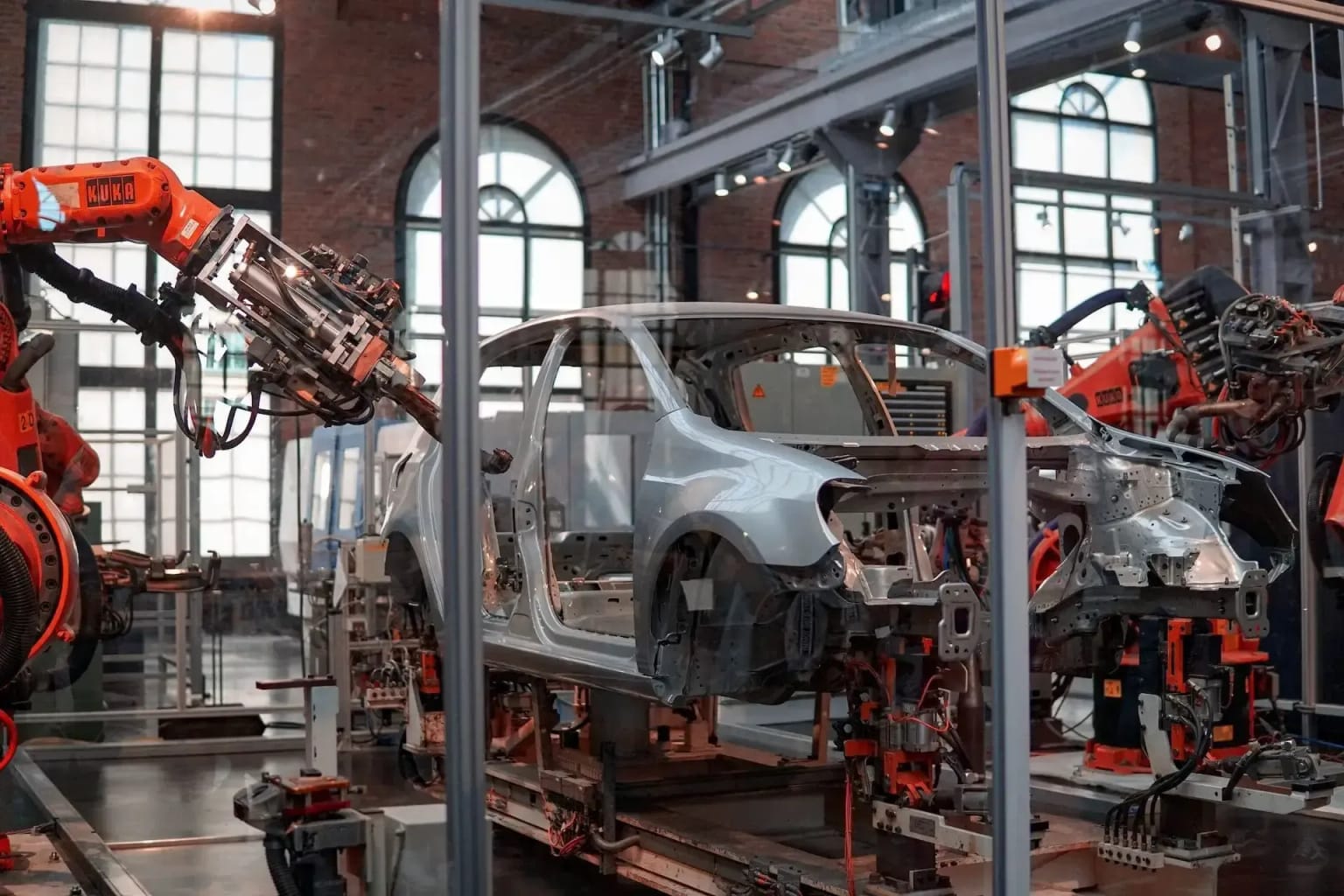
  • Bumper covers
  • Tanks and covers
  • Battery covers
  • Dust protection covers
  • Housings for model vehicles
  • Front panels for vehicles
  • Covers for glass processing machines
  • Windshields for model making
  • Covers for motorcycles, small parts

Food

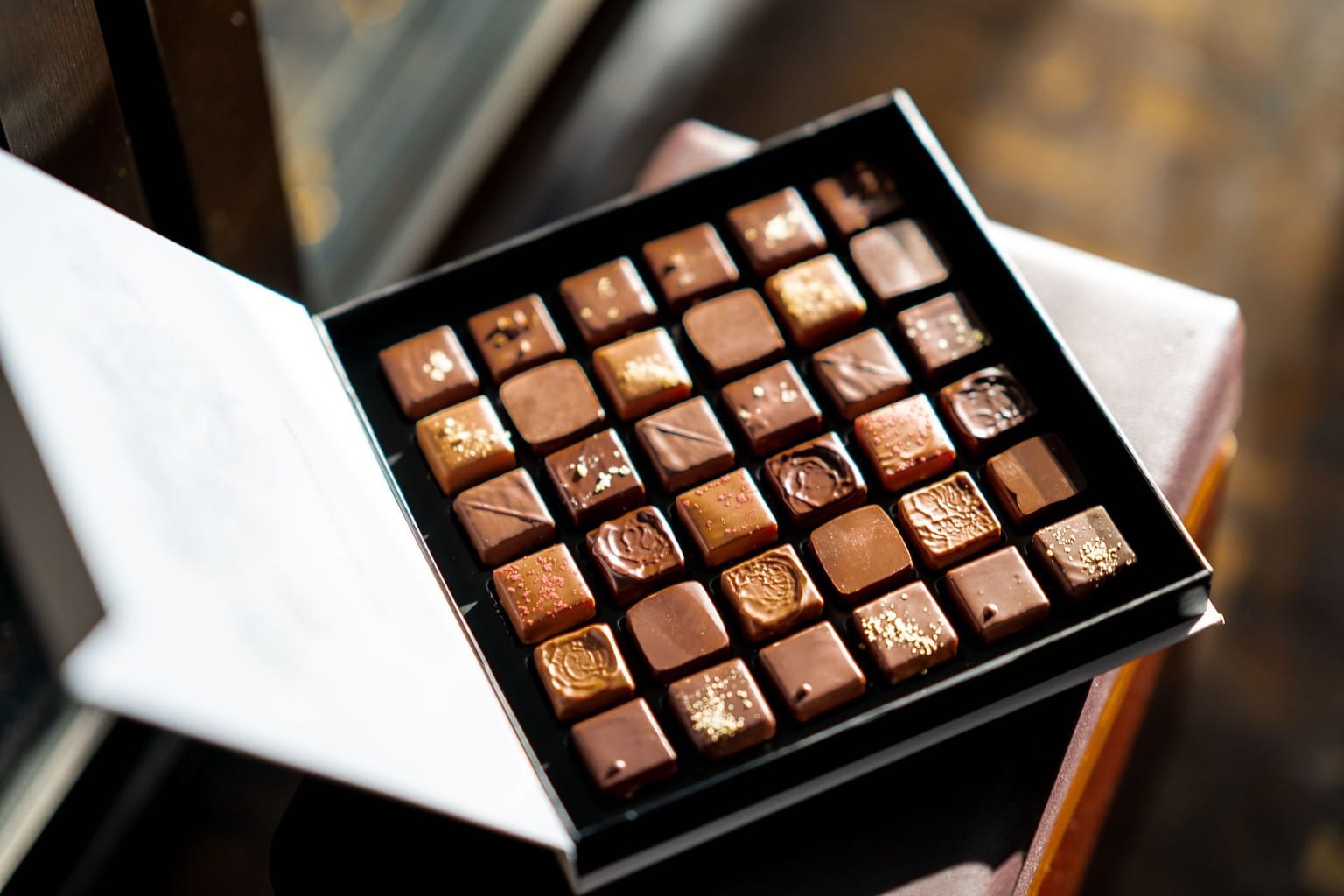
  • Counter display inlays
  • Presentation trays for point of sale

Robotics

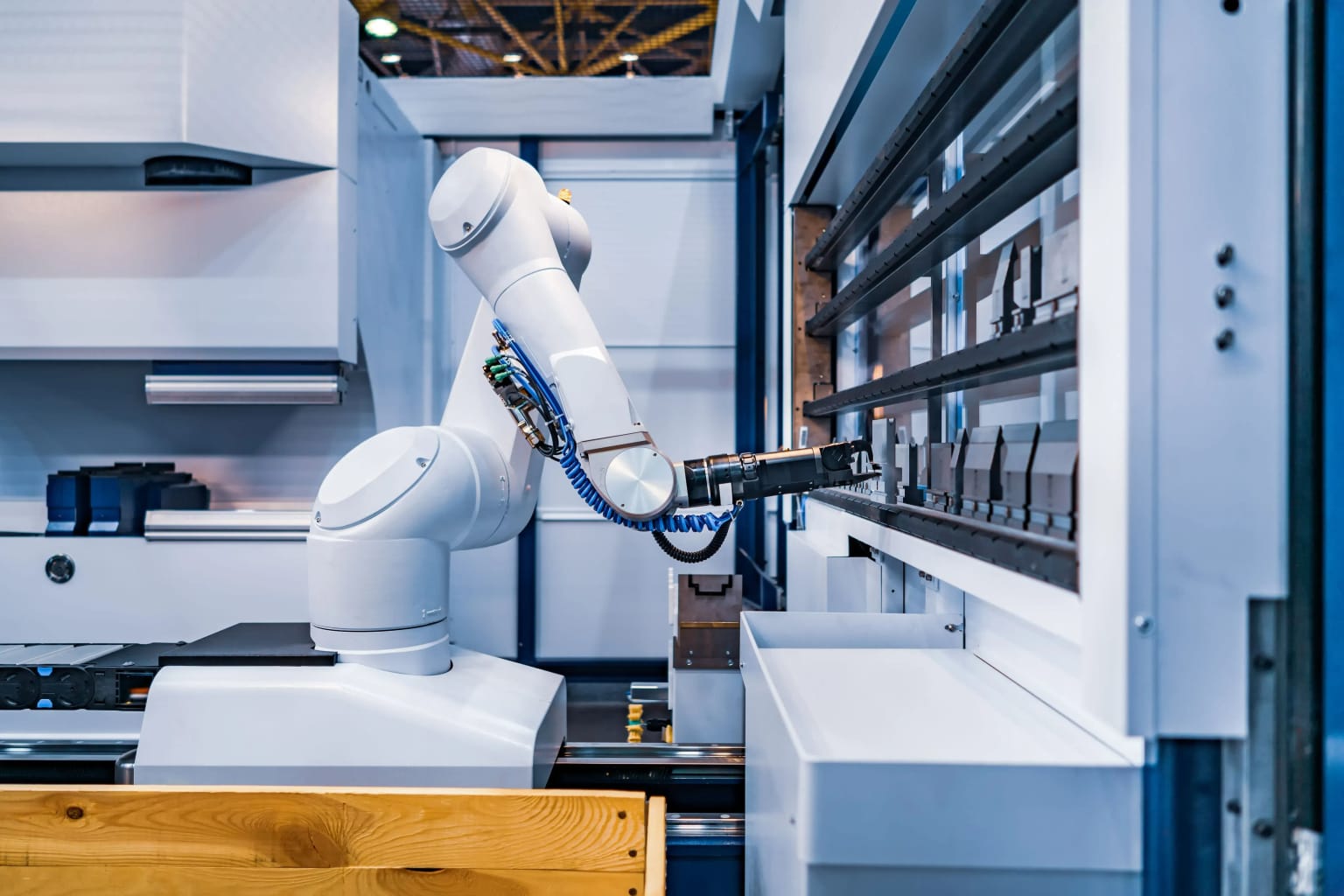
  • ESD trays for electronic components
  • Automation trays for handling
  • Transport trays for sensitive components

Agriculture & Horticulture

  • Packaging for garden tools
  • Inlays for garden tool sets
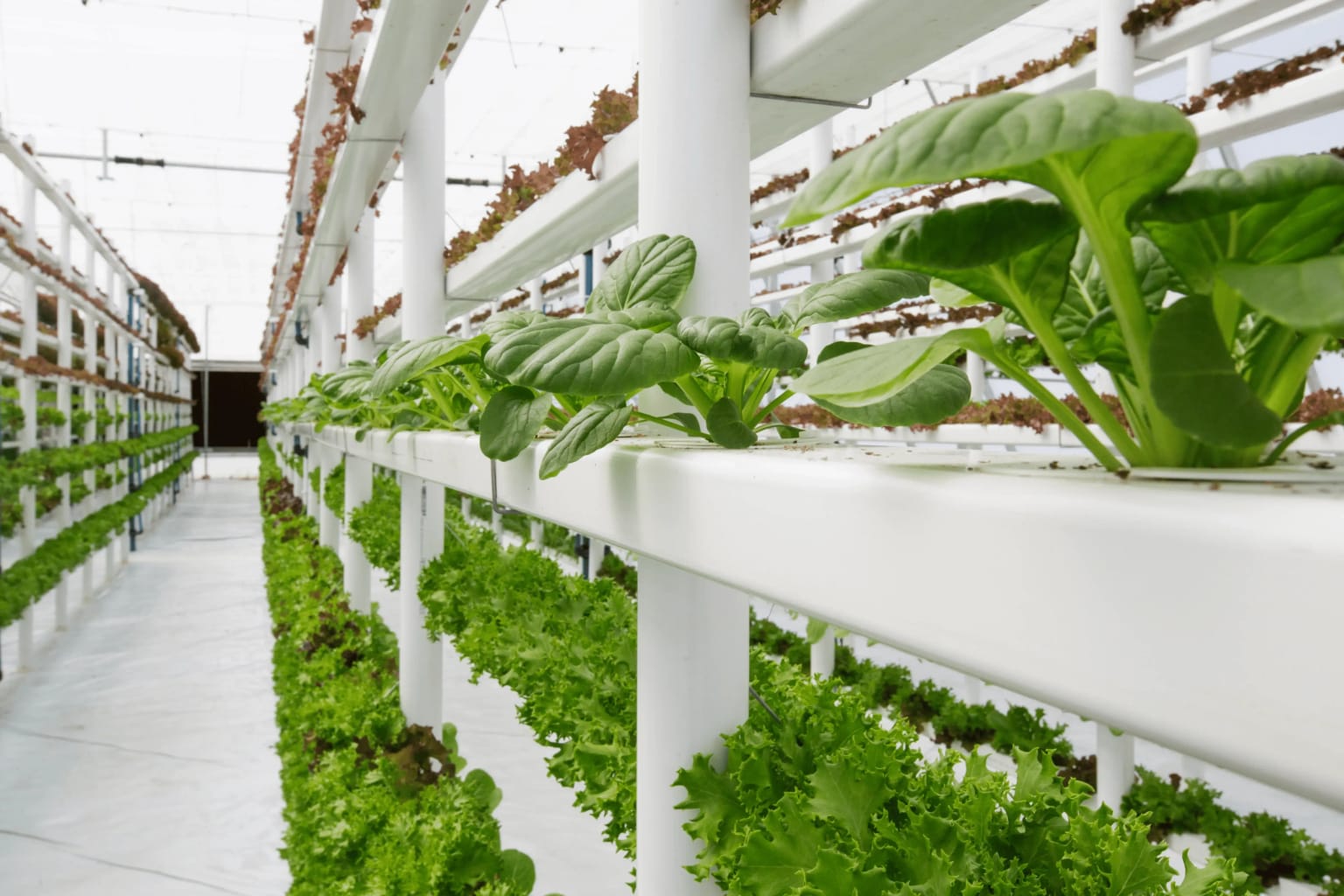
  • Flower inserts

Frequently asked questions about PS plastic

What is PS plastic?

PS plastic (polystyrene) is a standard plastic that can be used universally in thermoforming. Due to its good processability and low price, it is often used for packaging, trays, covers and technical housings, especially in the electronics, medical technology and consumer goods industries.

What are the properties of PS plastic?
How is PS plastic processed in the thermoforming process?
What are the disadvantages of PS plastic?
In which industries is PS plastic frequently used?
What alternatives are there to PS plastic?
What special equipment options are available from PS Kunststoff?

Further Information That Might Interest You

Thermoforming vs. Alternatives_Banner
Thermoformed Parts in Practice

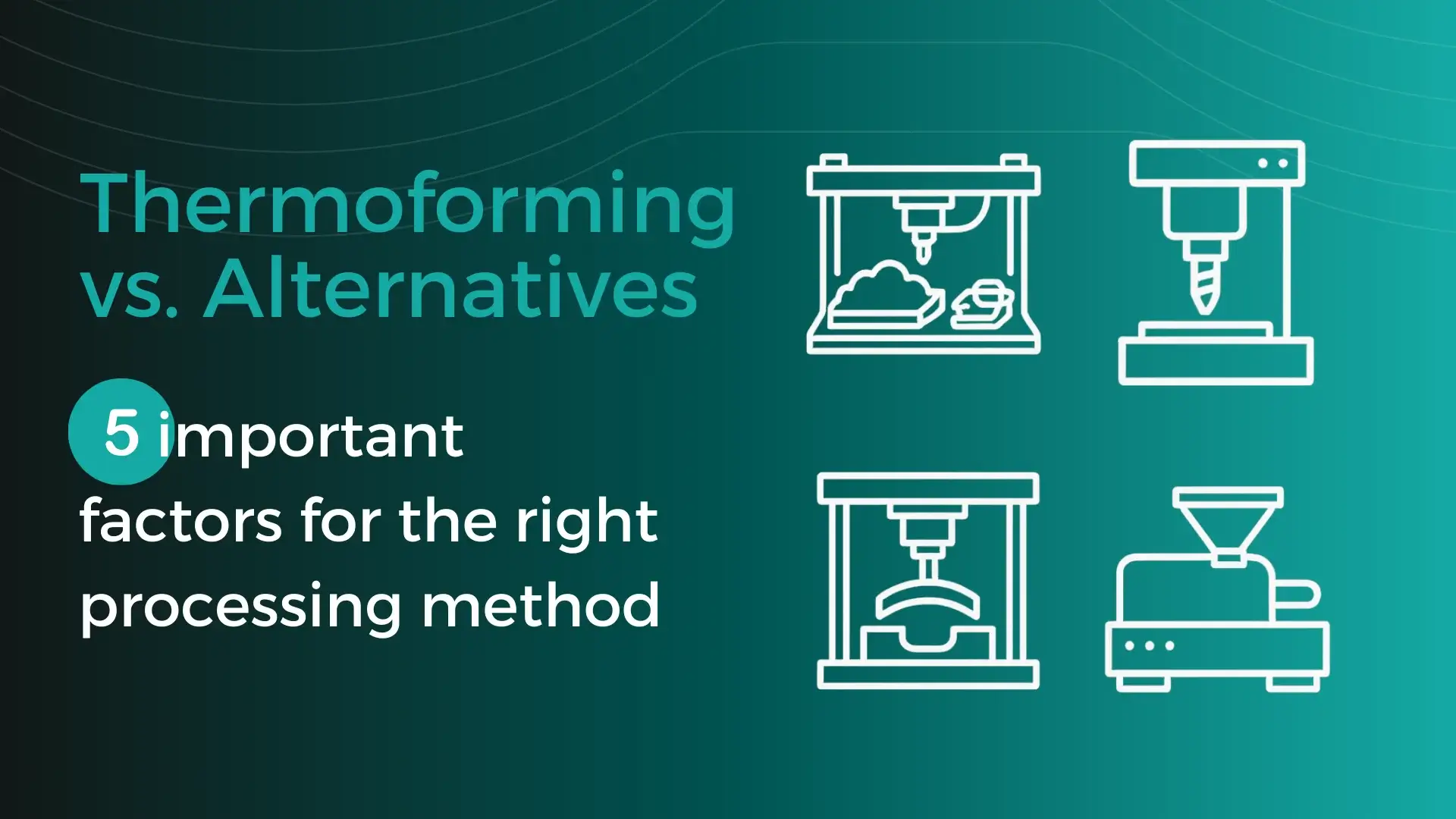
Plastic Manufacturing Processes Compared: Thermoforming vs. Injection Molding, 3D Printing, CNC Milling, and Foam

When manufacturing plastic parts, thermoforming is often compared with injection molding, milling, 3D printing, and foam solutions. The decisive factors are speed, cost, design freedom, material requirements, and process reliability. This article highlights the key differences between these processes.
 Design Guidelines for Plastic Thermoformed Parts – Top 13 Tips for Plastic-Optimized Construction
Thermoformed Parts in Practice

Design Guidelines for Plastic Thermoformed Parts – Top 13 Tips for Plastic-Optimized Construction

Plastic thermoforming is shaped by factors like material quality, temperature, pressure, speed, and tool geometry. With the right design principles, you can prevent errors in CAD and production. formary has gathered key tips to help you optimize your thermoformed parts.
(English) Banner Compounds
Thermoformed Parts in Practice

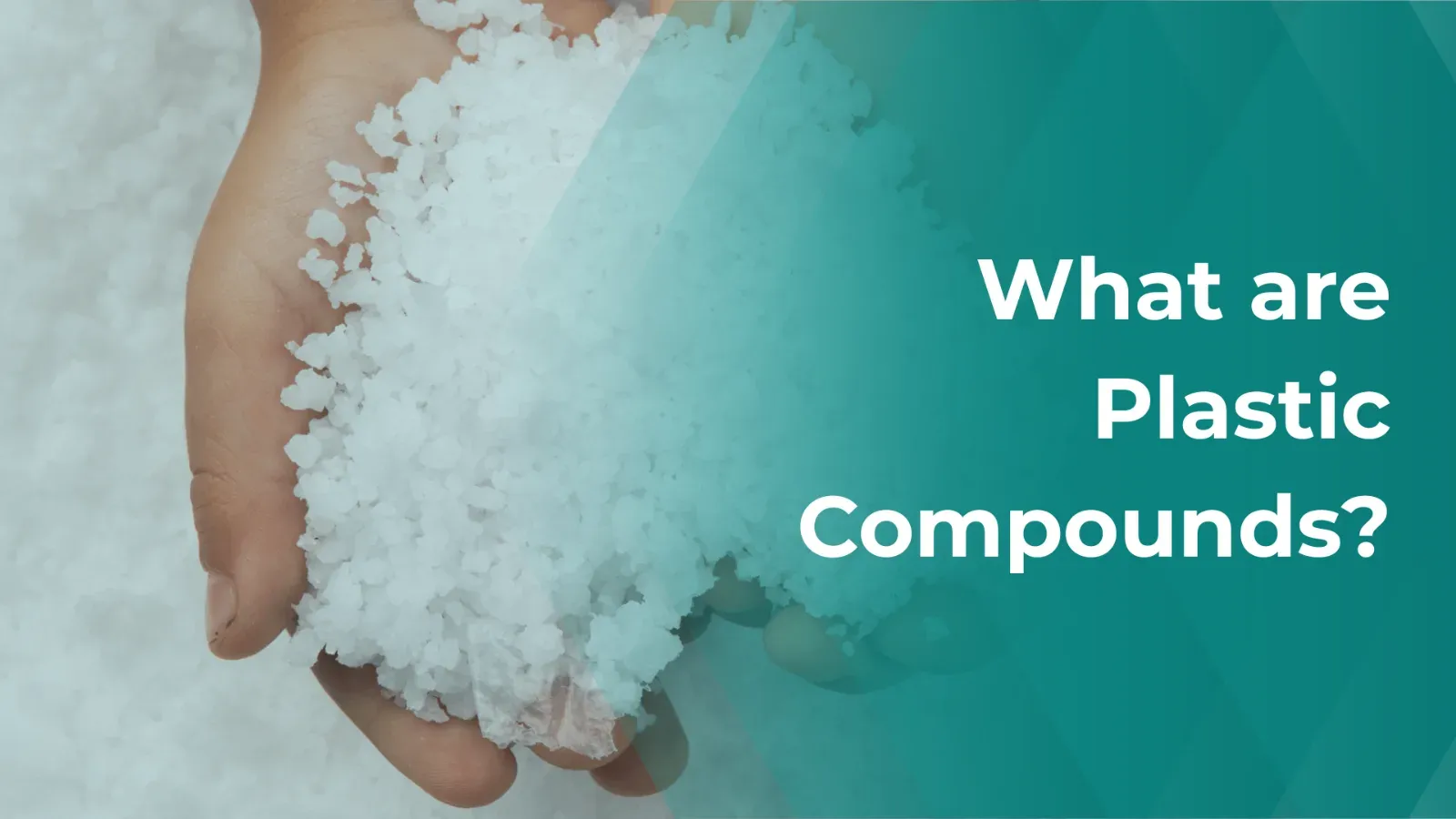
Plastic Compounds Explained Simply: How Additives Turn Standard Plastics into True High-Performance Materials

In practice, plastics are rarely “pure.” Their properties are specifically tailored to meet specific requirements. This is exactly where plastic compounds come into play. When you develop or procure plastic parts, compounds significantly influence function, cost, and quality. They determine whether a component is robust, UV-resistant, or electrically conductive. Read more in this article.
Banner Additive Icon
Thermoformed Parts in Practice

What Are Plastic Additives? Functions & Properties Explained

Plastics alone rarely meet all the requirements of industrial applications. It is only through the use of specific additives that materials become robust, flexible, or durable. This is exactly where additives come into play. They specifically alter the properties of plastics, making them suitable for specific applications in the first place.

Thermoformed Parts Made Easy. With formary.

Get your non-binding offer today.

Don't miss out on important tips and news about thermoformed parts.

By submitting your registration, you accept the privacy policy and will receive an email to confirm your subscription.