What is PMMA plastic?
PMMA stands for Polymethyl methacrylate and is generally better known under the brand name "Plexiglass". PMMA plastic thermoformed parts are often used as window replacements for various application areas due to their crystal-clear optics. With a similar property profile to PC, PMMA plastic is relatively brittle and has lower impact resistance. Due to its excellent weather resistance, thermoformed parts made from PMMA plastic are often used in outdoor applications.
Processing and thermoformability of PMMA
PMMA stands for Polymethyl methacrylate and is generally better known under the brand name "Plexiglass". PMMA plastic thermoformed parts are often used as window replacements for various application areas due to their crystal-clear optics. With a similar property profile to PC, PMMA plastic is relatively brittle and has lower impact resistance. Due to its excellent weather resistance, thermoformed parts made from PMMA plastic are often used in outdoor applications.
Material options for PMMA
 ESD
ESD FlockedAntistatic
 Weldable
 Adhesive
 Sterilizable
 Printable
 Regenerate
Weaknesses and strengths of PMMA at a glance
Price
Colors
Features
- High impact strength
- High hardness
- High transparency
- Very good scratch resistance
- Temperature resistant up to 90°C
Weaknesses
- No alcohols
- No solvents
- Very brittle
- Very susceptible to stress cracking
Facts and figures about PMMA
| Group | Technical Thermoplastics |
| Structure | Amorphous |
| Density | 1.18 |
| Continuous Use Temperature Min. (in °C) | -40 |
| Continuous Use Temperature Max. (in °C) | 70 |
| Thermal Expansion Transverse/Longitudinal to Flow Direction (10^-6 *K) | 80 |
| Melting Temperature (°C) | 110 |
| Max. Temp. Short-Term (°C) | 100 |
| Max. Temp. Long-Term (°C) | 90 |
| Impact Strength (KJ/m^2) | 20 |
| Tensile Strength (N/mm²) | 80 |
| Tensile Modulus of Elasticity (N/mm²) | 3300 |
| Elongation at Break (%) | 3 |
| Flexural Strength (N/mm²) | 130 |
| Ball Indentation Hardness (N/mm²) | 195 |
| Volume Resistivity (Ω · m) | 1E15 |
| Surface Resistivity (Ω) | 1E14 |
| Tracking Resistance CTI | 600 |
Applications of PMMA plastic
Automotive
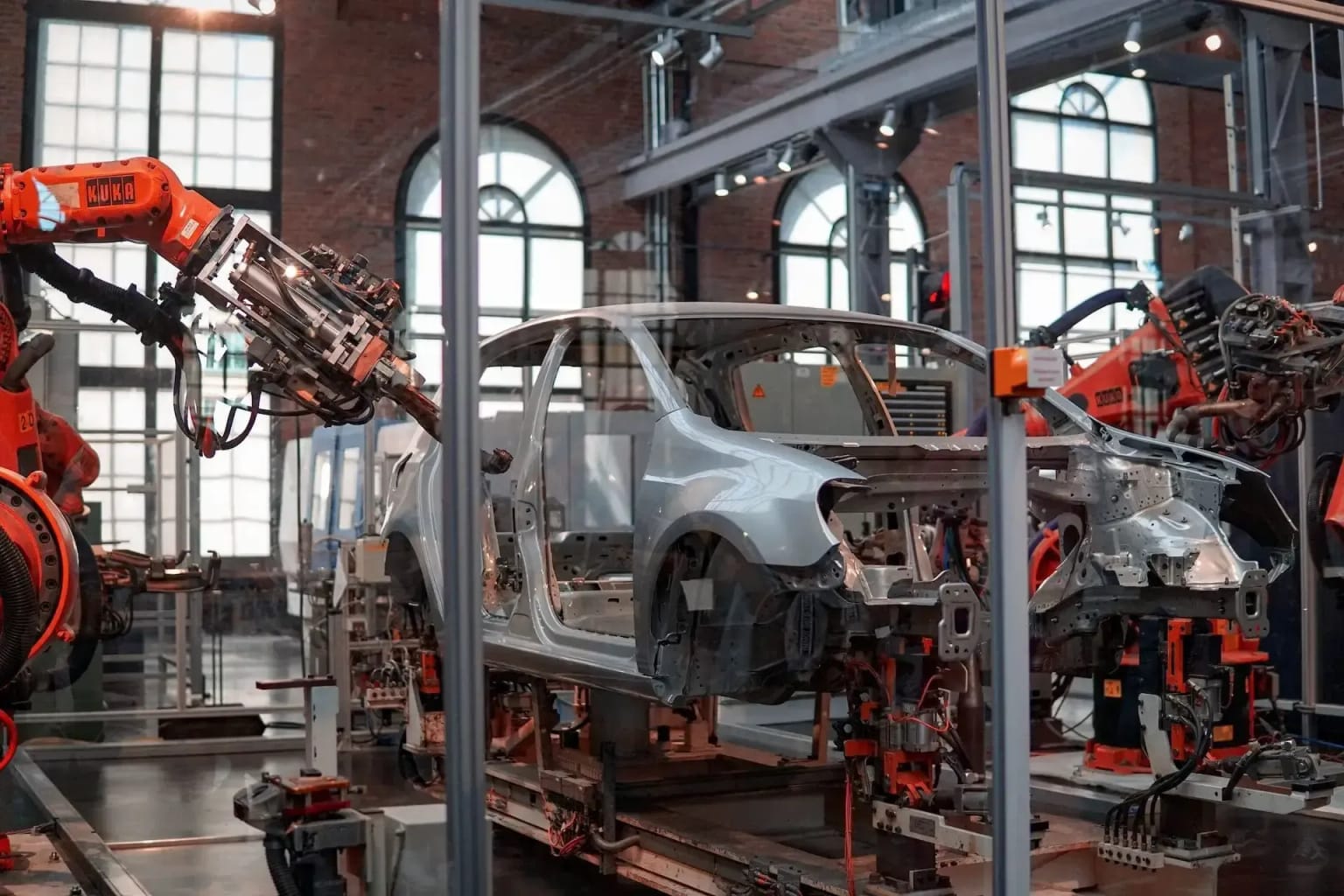
- Vehicle glazing
- Covers for motorcycles
- Windshields
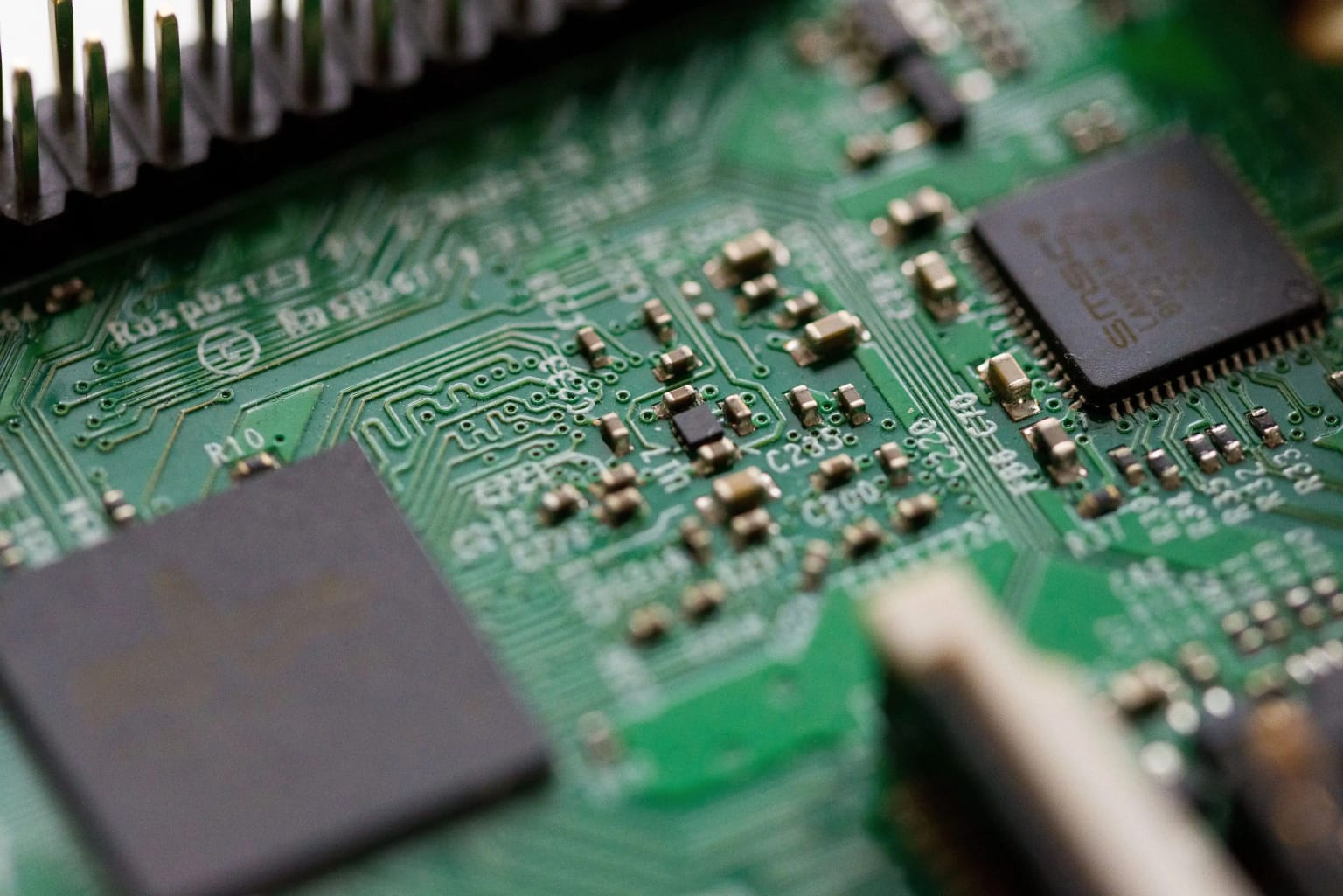
Electronics
- Lamp shells
- Lampshades
- Light covers
- Trim elements
- Camera covers
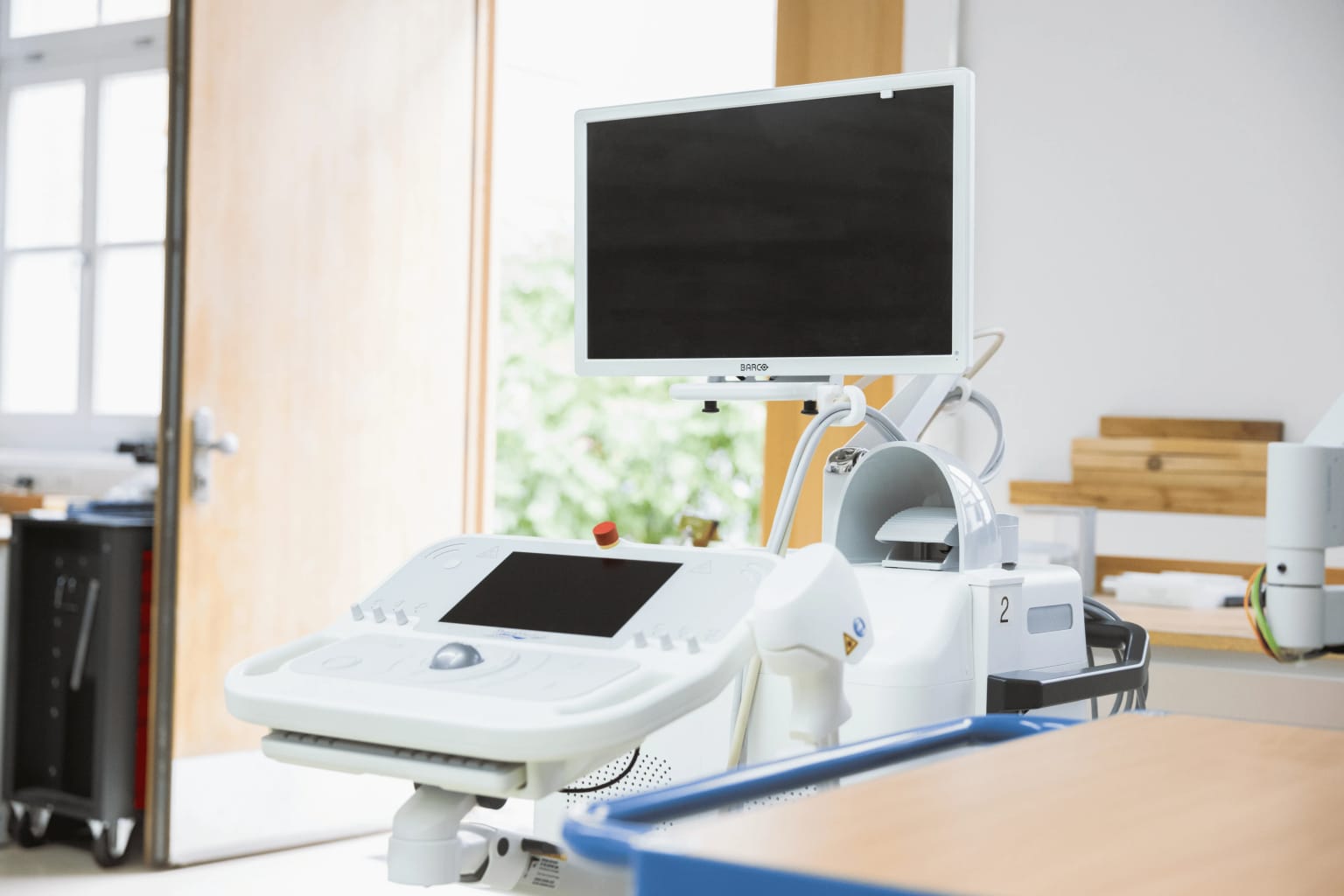
Medical Technology
- Washbasins
- Reagent holders
- Covers for medical devices

Consumer Goods
- Shower trays
- Roof glazing
- Protective covers
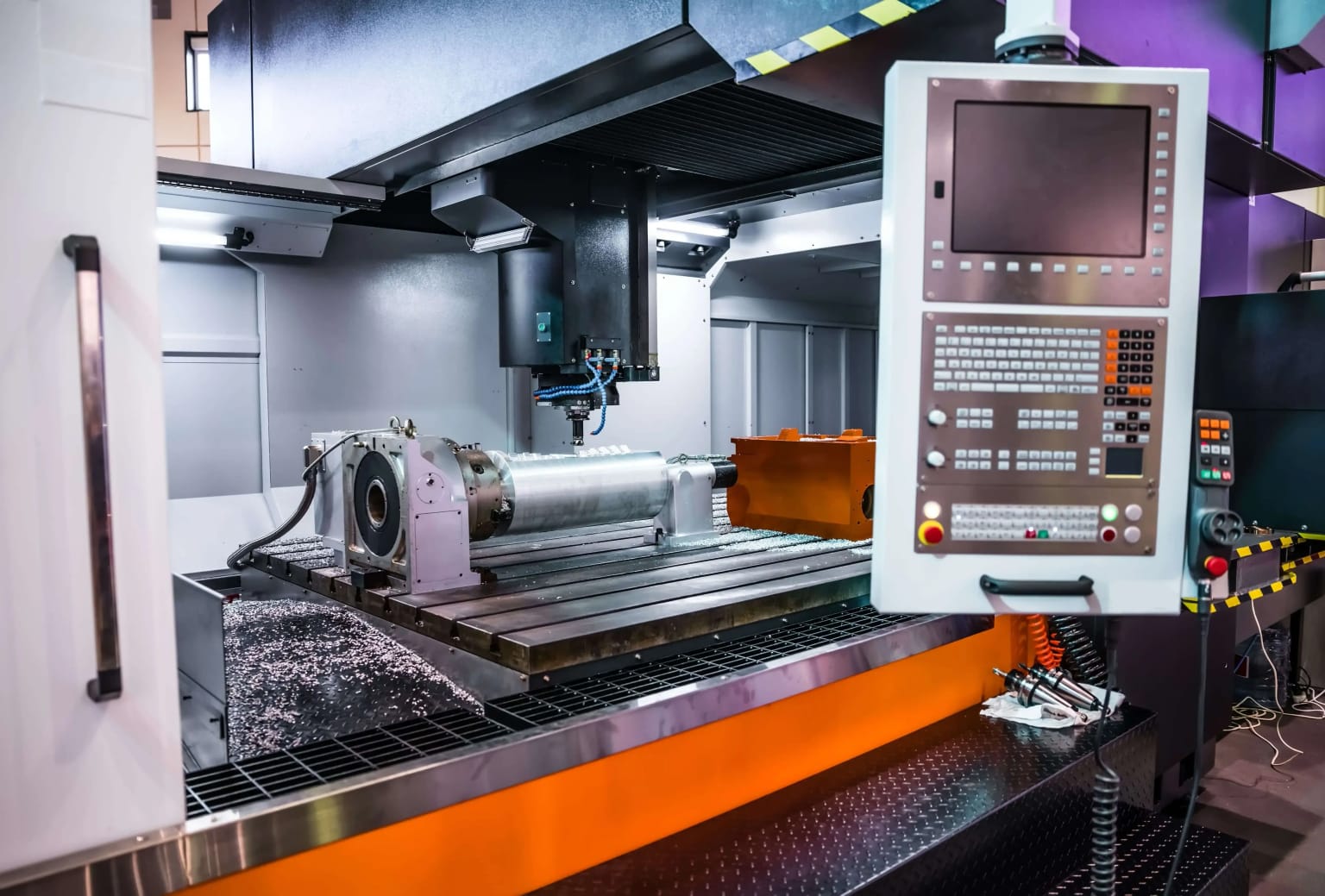
Mechanical Engineering
- Protective covers for machine parts
- Covers for machines and equipment
- Covers for glass processing machines
- Machine covers
- Molded bodies made of PMMA
- Housings
More Information about Materials
Frequently asked questions about PMMA plastic
What is PMMA plastic?
PMMA (polymethyl methacrylate), better known as Plexiglas, is a transparent, hard thermoplastic. Due to its crystal-clear appearance, it is often used as a substitute for glass, for example in vehicle glazing, lamp shades or protective covers in mechanical engineering and medical technology.
Further Information That Might Interest You
Thermoformed Parts in Practice
Design Guidelines for Plastic Thermoformed Parts – Top 13 Tips for Plastic-Optimized Construction
Plastic thermoforming is shaped by factors like material quality, temperature, pressure, speed, and tool geometry. With the right design principles, you can prevent errors in CAD and production. formary has gathered key tips to help you optimize your thermoformed parts.
Thermoformed Parts in Practice
What is Recyclate? Options in Plastic Recycling and Distinction from Virgin Material
In an increasingly sustainability-oriented world, recycling and the reuse of materials play a key role. Plastic recyclates offer a sustainable alternative to virgin materials. But what exactly does the term mean, and how can recyclates be distinguished from virgin materials? Read more now.
Thermoformed Parts in Practice
Plastic Manufacturing Processes Compared: Thermoforming vs. Injection Molding, 3D Printing, CNC Milling, and Foam
When manufacturing plastic parts, thermoforming is often compared with injection molding, milling, 3D printing, and foam solutions. The decisive factors are speed, cost, design freedom, material requirements, and process reliability. This article highlights the key differences between these processes.