







Polyethylene terephthalate

PET-G Plastic

PET-G (Polyethylene terephthalate Glycol-modified) is a modified PET with maximum transparency and excellent thermoformability. It is ideal for visible parts, high-quality blister packaging, and applications with sharp contours and is more cost-effective than PC or PMMA with comparable optical quality.

What is PET-G plastic?

PET-G is the abbreviation for Polyethylene terephthalate Glycol-modified and is a refined PET, which stands out for very high definition and transparency in thermoforming. Therefore, PET-G is often processed for visible parts and high-gloss blisters. However, the lack of UV resistance prevents the use of the thermoformed part in permanent outdoor applications.

Processing and thermoformability of PET-G

The "G" in PET-G stands for Glycol. Glycol is added during polymerization in the production of PET-G and prevents the material from crystallizing under heat. This means: when the PET-G film is heated on the thermoforming machine, the material remains crystal clear even at high forming temperatures. Therefore, PET-G is also referred to as a plastic with maximum transparency and is often used for visible parts.

Material options for PET-G

Kunststoff Eigenschaften_SiegelfähigkeitSealability
Kunststoff Eigenschaften_VerschweißbarWeldable
Kunststoff Eigenschaften_SterilisierbarSterilizable
Kunststoff Eigenschaften_BedruckbarPrintable

Weaknesses and strengths of PET-G at a glance

  • Price

  • Colors

  • Features

    • Maximum transparency
    • Good stretchability
    • Very sharp contours possible
    • Resistant to: oils, salts, acids
    • More affordable for visible parts than ABS, PC, PMMA
  • Weaknesses

    • No UV resistance
    • Very low dielectric strength
    • Very brittle
    • Very high density: heavy weight
    • Fluctuating market capacities
    • Long procurement time

Advantages of PET-G over PET-A

Compared to PET-A, PET-G has better low-temperature behavior and significantly improved thermoforming properties. Glycol provides better stretchability and formability of the material. Therefore, PET-G is used for demanding thermoformed parts when PET-A is no longer sufficient. Excellent formability makes very sharp contours and edges in the thermoformed part possible.

Facts and figures about PET-G

GroupStandard Thermoplastics
StructureSemi-Crystalline
Density1.27
Continuous Use Temperature Min. (in °C)-40
Continuous Use Temperature Max. (in °C)63
Max. Temp. Short-Term (°C)70
Max. Temp. Long-Term (°C)65
Impact Strength (KJ/m^2)10
Abrasion Resistance-
Tensile Strength (N/mm²)50
Tensile Modulus of Elasticity (N/mm²)1720
Elongation at Break (%)54
Flexural Strength (N/mm²)70
Ball Indentation Hardness (N/mm²)97
Dielectric Strength (kV/mm)16
Volume Resistivity (Ω · m)>10^15
Surface Resistivity (Ω)> 10^16

Applications of PET-G plastic

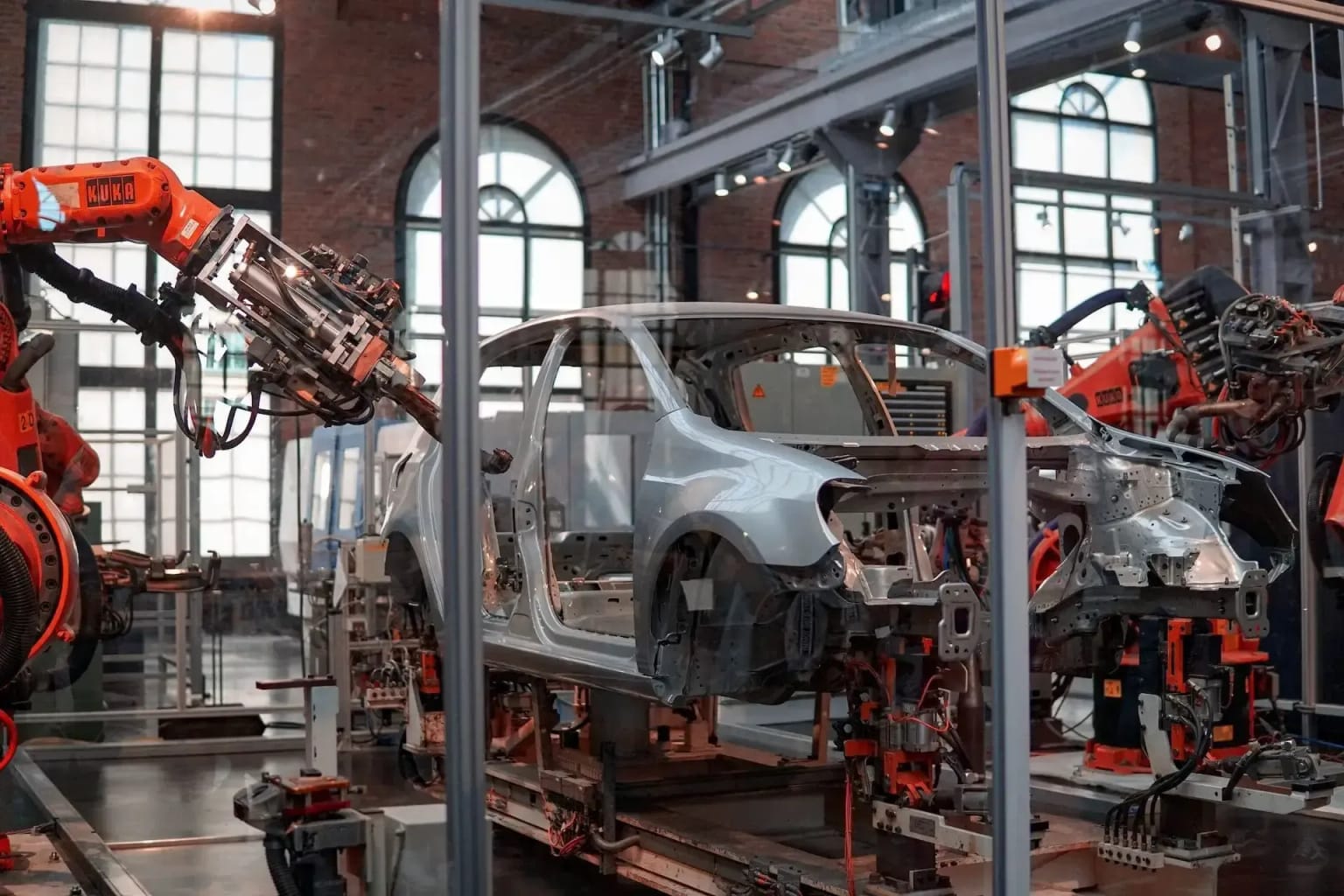
Automotive

  • Flange covers
  • Interior trim parts
  • Engine covers
  • Visible parts in the interior
  • Transparent protective covers

Electronics

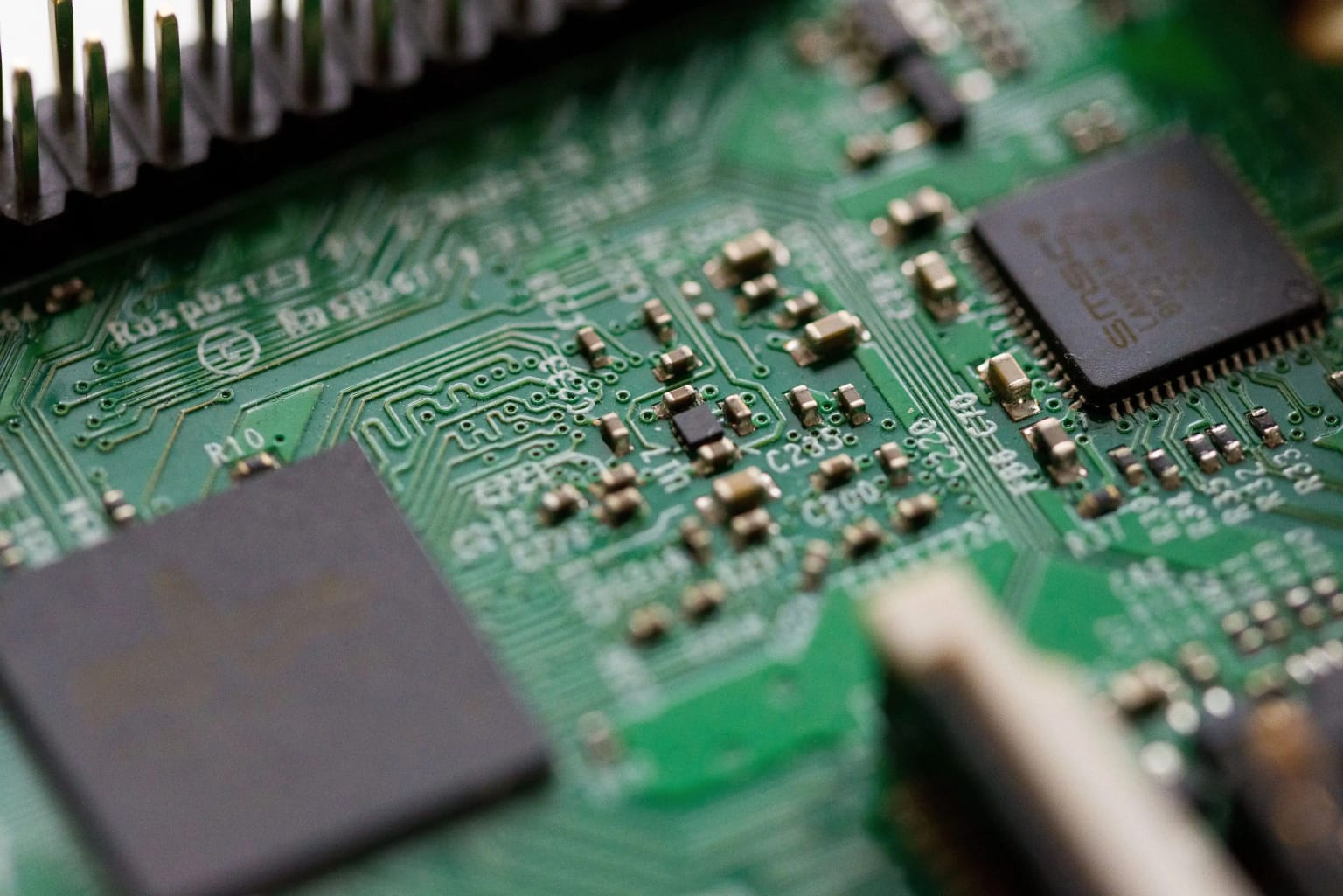
  • Blisters for electronics
  • Protection for display devices
  • Protective films for busbar mounting
  • Display covers
  • Sight windows for controls
  • High-quality product packaging

Medical Technology

  • Medical blister inserts
  • Blister trays
  • Slide blisters
  • Sterilizable packaging
  • Protective packaging for medical instruments
  • Hygiene packaging

Consumer Goods

  • High-quality product packaging
  • Visible packaging for premium products
  • Covers with optical requirements
  • Display packaging

Mechanical Engineering

  • Containers with sight window
  • Plastic containers for precision parts
  • Thermoformed sleeves
  • Outer sleeves with transparency requirement
  • Protective covers for sensitive components

Industrial Solutions

  • Transport trays for sensitive parts
  • Precision trays with visibility
  • High-quality packaging solutions
  • Protective packaging for precision parts

Cosmetics

  • Premium blister packaging
  • High-gloss sales packaging
  • Visible packaging for cosmetic products
  • Display packaging at point of sale

Agriculture & Horticulture

  • Transparent growing trays with sight window (growth monitoring)
  • High-quality seed packaging with crystal-clear optics
  • Visible packaging for premium garden tools
  • Transparent protective covers for greenhouse small parts
  • Display packaging for garden centers (point of sale)
  • Clear-view containers for plant accessories
  • High-quality blisters for horticultural precision tools
  • Transparent inlays for plant lamp packaging
  • Visible packaging for irrigation system components
  • Premium packaging for garden electronics

Robotics

  • Transparent protective covers for control units (sight windows)
  • Sight windows for robot controls
  • Transparent housings for sensors (light transmission)
  • Protective covers for display panels
  • Clear-view housings for camera modules
  • Precision trays for sensitive electronic components
  • Transparent cable management with visual control
  • Protective packaging for high-quality robot components
  • Display covers for HMI (Human-Machine-Interface)
  • Transparent inlays for maintenance kits

Aerospace & Defense

  • Transparent protective packaging for sensitive avionics
  • Precision trays for optical components
  • Visible packaging for instruments and sensors
  • Transparent inlays for maintenance and repair kits
  • Protective covers for displays and indicating devices
  • High-quality packaging for precision parts
  • Transparent containers for small parts sorting
  • Sight window housings for electronic modules
  • Blister packaging for spare parts
  • Clear-view transport boxes for sensitive measuring instruments

Frequently asked questions about PET-G plastic

What is PET-G plastic?

PET-G stands for polyethylene terephthalate glycol-modified and is a modified PET material. The addition of glycol ensures that PET-G remains crystal clear when heated and can be deep-drawn with particular precision. The plastic is known for its maximum transparency and sharp contours. Ideal for visible parts, displays and blister packaging.

What is PET-G plastic used for?
What distinguishes PET-G from PET-A?
What advantages does PET-G offer in thermoforming?
Is PET-G food safe?
What are the weaknesses of PET-G plastic?
How well does PET-G thermoform?
How is PET-G manufactured?
What is the temperature resistance of PET-G plastic?

Further Information That Might Interest You

What are Bioplastics
Thermoformed Parts in Practice

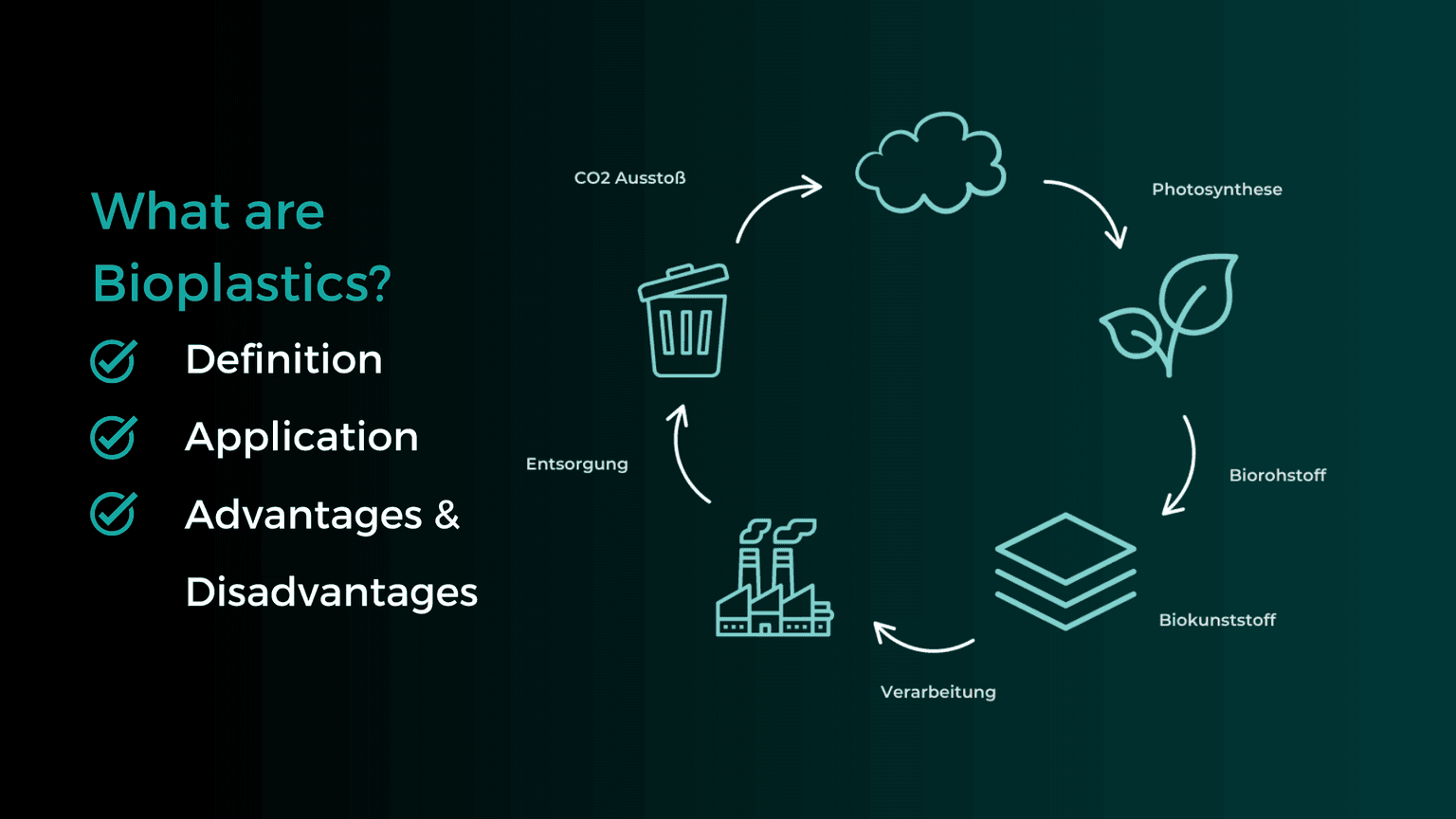
What Are Bioplastics? Definition, Applications, Advantages, and Limitations

Bioplastics are plastics that are either made from renewable raw materials or are biodegradable - or both. They offer a wide range of possible applications - but what exactly are bioplastics, how are they produced and what advantages or limitations do they have compared to traditional plastics?
What is Recyclate? Options in Plastic Recycling and Distinction from Virgin Material
Thermoformed Parts in Practice

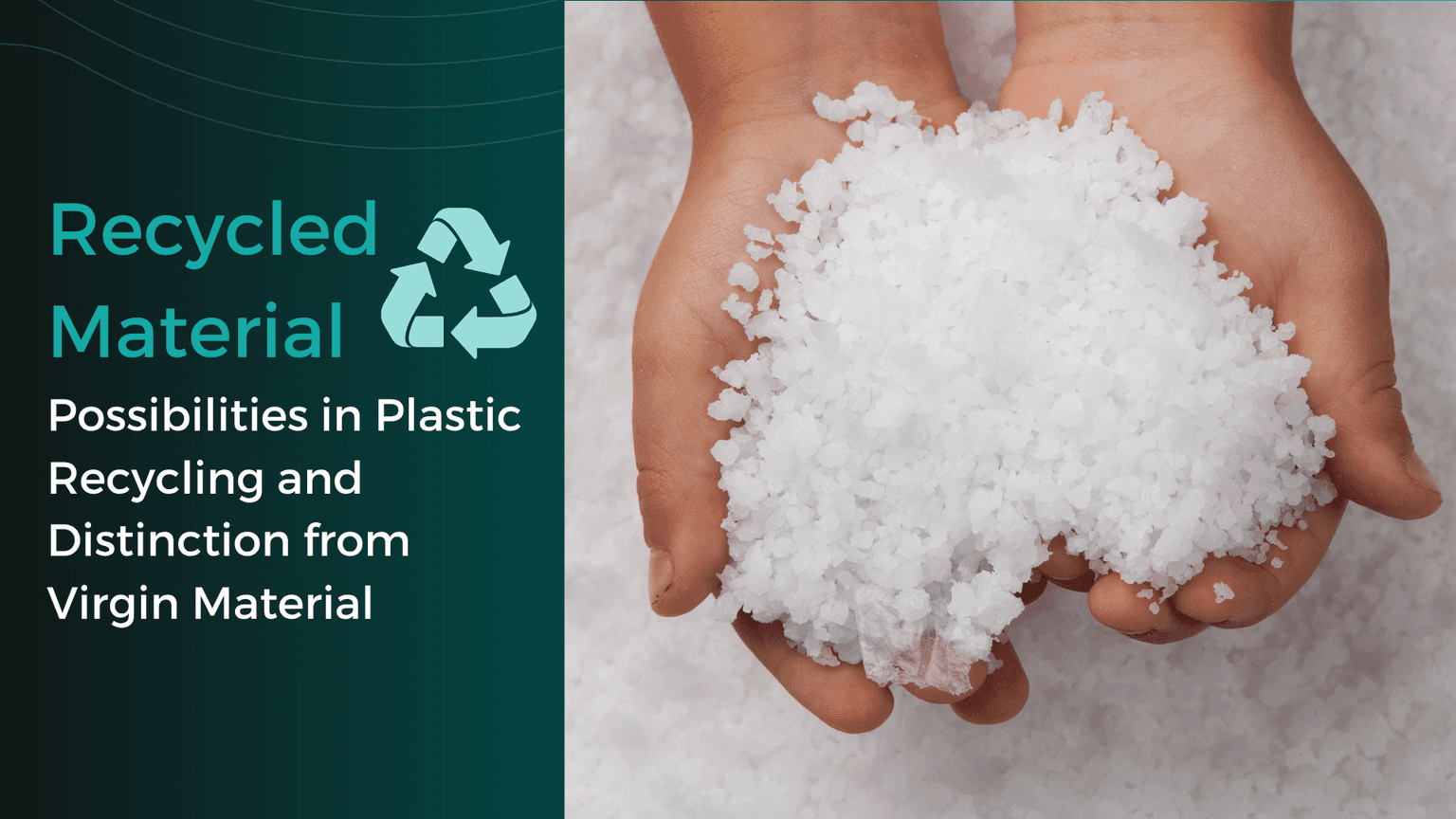
What is Recyclate? Options in Plastic Recycling and Distinction from Virgin Material

In an increasingly sustainability-oriented world, recycling and the reuse of materials play a key role. Plastic recyclates offer a sustainable alternative to virgin materials. But what exactly does the term mean, and how can recyclates be distinguished from virgin materials? Read more now.
 Design Guidelines for Plastic Thermoformed Parts – Top 13 Tips for Plastic-Optimized Construction
Thermoformed Parts in Practice

Design Guidelines for Plastic Thermoformed Parts – Top 13 Tips for Plastic-Optimized Construction

Plastic thermoforming is shaped by factors like material quality, temperature, pressure, speed, and tool geometry. With the right design principles, you can prevent errors in CAD and production. formary has gathered key tips to help you optimize your thermoformed parts.
Thermoforming vs. Alternatives_Banner
Thermoformed Parts in Practice

Plastic Manufacturing Processes Compared: Thermoforming vs. Injection Molding, 3D Printing, CNC Milling, and Foam

When manufacturing plastic parts, thermoforming is often compared with injection molding, milling, 3D printing, and foam solutions. The decisive factors are speed, cost, design freedom, material requirements, and process reliability. This article highlights the key differences between these processes.

Thermoformed Parts Made Easy. With formary.

Get your non-binding offer today.

Don't miss out on important tips and news about thermoformed parts.

By submitting your registration, you accept the privacy policy and will receive an email to confirm your subscription.