Plastic Screwing
The form-fit further processing of your deep-drawn parts using plastic screw connections
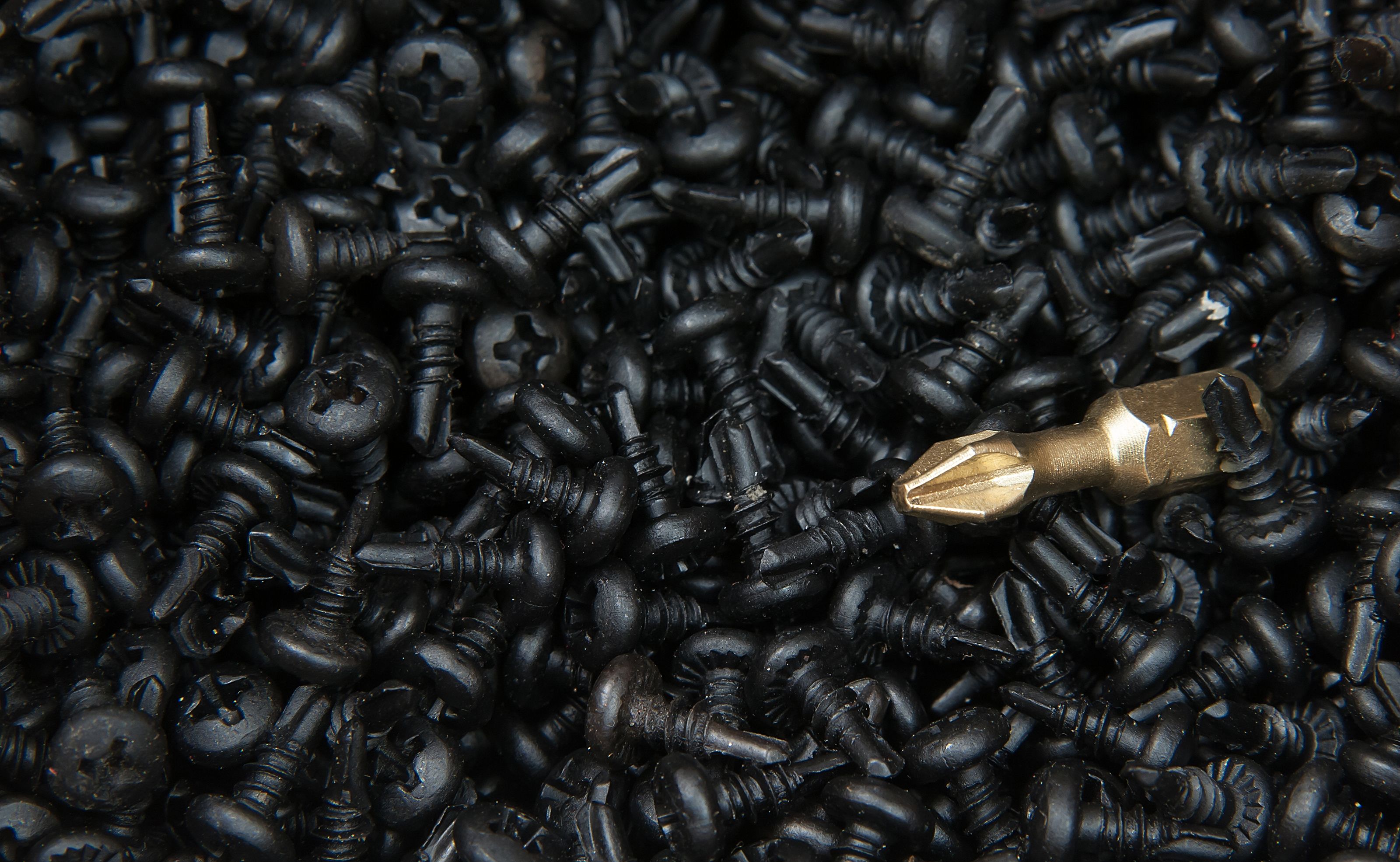
Overview of screwing plastic
- Process: Form-fitting connection through mechanical screwing
- Application: Final assembly and functional enhancement of deep-drawn parts
- Techniques: Locking studs, threaded bushings, flange surfaces
- Advantages: High fitting accuracy, flexibility, reliable assembly
Overview of Plastic Screwing in Thermoforming
Plastic screwing is a key method for assembling thermoformed parts in a secure, form-fitting manner. During final assembly, thermoformed components are combined with functional modules, enhancing their utility with electrical connections, locking systems, or reinforcement elements. As the last step in the thermoforming process, plastic screwing ensures structural integrity and optimal performance.
Plastic Screwing Techniques

Closure Stud Techniques
Application: Ideal for thermoformed tray and lid sets.
Flange Surfaces with Connectors
Application: Used to securely join thermoformed housing sets.
Threaded Inserts: Heat-Embedding or Bonding
Application: Suitable for cladding parts in bus and rail transport applications.
Advantages of Plastic Screwing
High Precision & Secure Fit of Plastic Screwing
3D assembly guides ensure accurate, reproducible, and process-secure screw connections.
Versatile Application of Plastic Screwing
Suitable for hinges, cable systems, handle solutions, and closure mechanisms across plastic and metal materials.
Enhanced Thermoformed Parts through Screwing
By assembling components in the form of plastic screw fittings, deep-drawn parts are further refined to fulfill other purposes.
Seamless Integration into Your Workflow
Pre-assembled plastic-screwed modules allow immediate system integration, reducing internal workload.
Typical applications for screwing plastics
- Closure systems: ball pins, insert nuts or click closures for mounting housings.
- Swivelling components: hinges, doors or flaps for movable assemblies.
- Electronics integration: Sensors, circuit boards or connections fixed directly in the thermoformed part.
- Stiffening structures: Frames, reinforcements or metal inserts to increase stability.
What to consider when screwing plastic parts together
How it works
Two thermoformed parts or assemblies are joined together in a form-fitting manner using a screw connection.
This allows electrical, mechanical or functional components to be securely fixed in place.
Important points
- The torque is adjusted to the material and the intended use.
- Special plastic screws are used that take into account the low strength of the material.
- The pressure surfaces must be dimensioned so that no cracks or breaks occur.
- If necessary, screw connections can be combined with adhesive or screw-in bushings.
Frequently asked questions about screwing plastic
Whenever detachable connections, precise fits or mechanical stability are required, e.g. for maintenance, electronics or modular construction.
Additional Joining Techniques for Thermoformed Plastic
Interested in alternative joining methods for thermoformed plastics? Explore other techniques such as adhesive bondingand plastic welding for enhanced assembly solutions.