


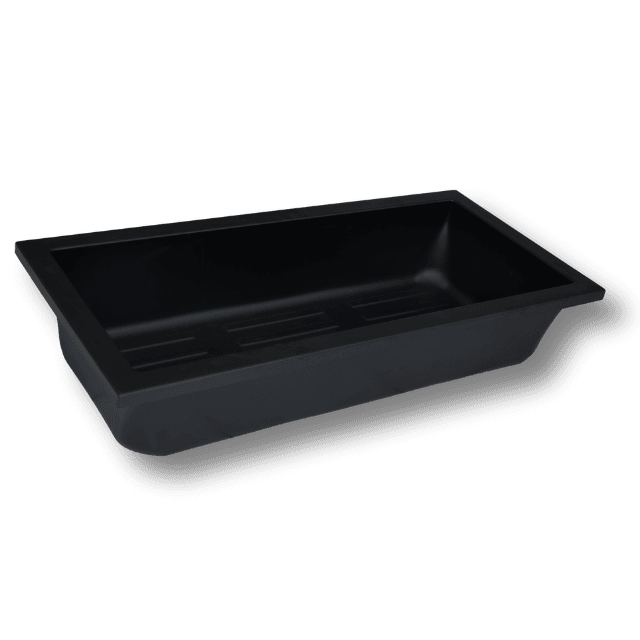
Durable plastic plant containers and planters for healthy plant growth.
Plastic planters are dimensionally stable, deep-drawn containers made from robust thermoplastics. They provide plants with a safe, protected space to grow and are characterized by their high resistance to UV radiation, moisture, and temperature fluctuations.
Plastic planters prevent waterlogging thanks to integrated drainage holes, provide sufficient space for roots to spread, and thus promote healthy plant growth. Areas of application range from greenhouses and nurseries to urban greening concepts, balconies, terraces, and agricultural facilities.

Plastic Planters are Versatile
Plastic plant containers come in rectangular and round shapes and are available in numerous sizes. They can be used indoors and outdoors, offering an ideal solution for gardening in limited spaces.

Plastic Plant Containers are Robust and Weather-Resistant
Plastic plant containers are durable and can be made UV-resistant, weatherproof, and temperature-resistant, making them particularly long-lasting.

Planters are Easy to Maintain
Plastic materials are easy to clean and maintain, ensuring hygiene and preventing bacteria or mold growth.
Do you already have a CAD model of your plastic plant pot? We will be happy to check it for thermoformability free of charge.
With our free DfM (Design for Manufacturability) analysis, we check whether your CAD design is suitable for deep drawing and where adjustments may be necessary.


Plant trays and containers are simple to clean, often dishwasher-safe or easily washable with a hose.
With a variety of properties, shapes, and sizes, plastic plant containers are suitable for soil-based gardening, hydroponics, and aquaponics systems.
Outdoor plastic plant containers are UV-resistant, rust-free, and withstand frost and intense sunlight.
Plastic is significantly lighter than stone or metal, making plant containers easier to transport and handle.
Thanks to specific plastic properties, planters often last for many years and are shatterproof.
Plastic plant conainers can withstand exposure to various acids, alkalis, and fertilizers.

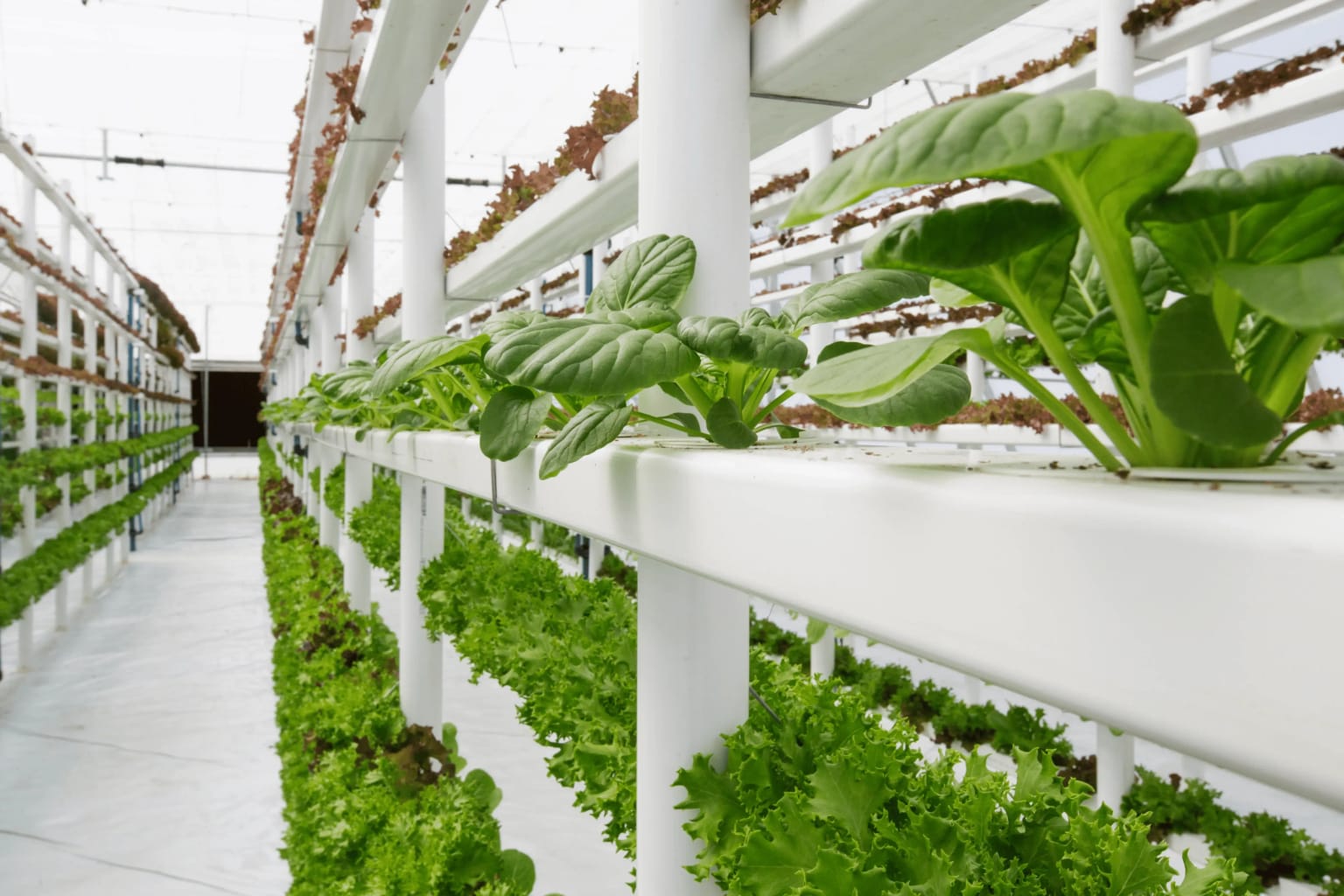
Plastic planters are indispensable in agriculture and horticulture. They are used in greenhouses, nurseries, and hydroponic systems for growing young plants, herbs, and vegetables.
Planters enable space-saving and efficient plant cultivation, especially in vertical farming or urban greening projects such as roof gardens and facade greening. Their resistance to moisture, UV radiation, and temperature fluctuations makes them ideal for long-term use.

Plastic planters are used for the controlled cultivation of medicinal plants such as cannabis or echinacea, which are used in the manufacture of medicines or homeopathic remedies.
They are also used in therapeutic gardens at clinics and care facilities. Here, plastic planters support greening concepts that contribute to stress reduction, air improvement, and general health promotion.

Plastic planters are used for cultivating medicinal plants and raw materials. Plants such as aloe vera, lavender, and chamomile thrive in planters before being processed into essential oils, natural cosmetics, or herbal medicines.
Especially for pharmaceutical purposes, sterile plastic trays provide a germ-free environment for the targeted extraction of valuable ingredients.
A plastic plant container is a sturdy container for growing plants, usually with integrated drainage and made of weatherproof plastic.