Component Safety for Your Small Parts: How Thermoformed Plastic Inserts Ensure Secure Transport
Delicate components require protection against damage to prevent costs and downtime. Thermoformed plastic inserts provide an efficient solution for safe transport and storage. In this article, you will learn how thermoformed inserts optimize component safety.
Sarah Guaglianone
Updated on August 7, 2026
Share
Safety of small components – Key points at a glance
Plastic thermoformed inserts hold delicate components securely in place and protect them from knocks, scratches and moisture.
They provide mechanical, chemical and, where required, electrostatic protection for components during transport and storage.
The precise design facilitates safe handling and reduces damage during transport across a range of industries.
Thanks to their reusability and durability, they offer a cost-effective solution for structural safety.
→ Order your thermoformed liners now from our online shop!
What Is Component Safety?
Definition: Component safety includes all measures designed to protect sensitive or valuable components from damage. This involves specialized packaging solutions and transport aids that ensure secure handling. Protection can include the following aspects:
Mechanical Protection – Prevents scratches, impacts, dents, or other damage from external forces.
Chemical Protection – Shields components from corrosion, moisture, or harmful chemicals.
How Thermoformed Plastic Inserts Protect Your Components
Thermoformed inserts, also known as inlays, are produced using the plastic thermoforming process. Through sheet or roll production, plastic films are heated and shaped into a mold. The result includes not only inserts but also plastic trays, covers, and containers.
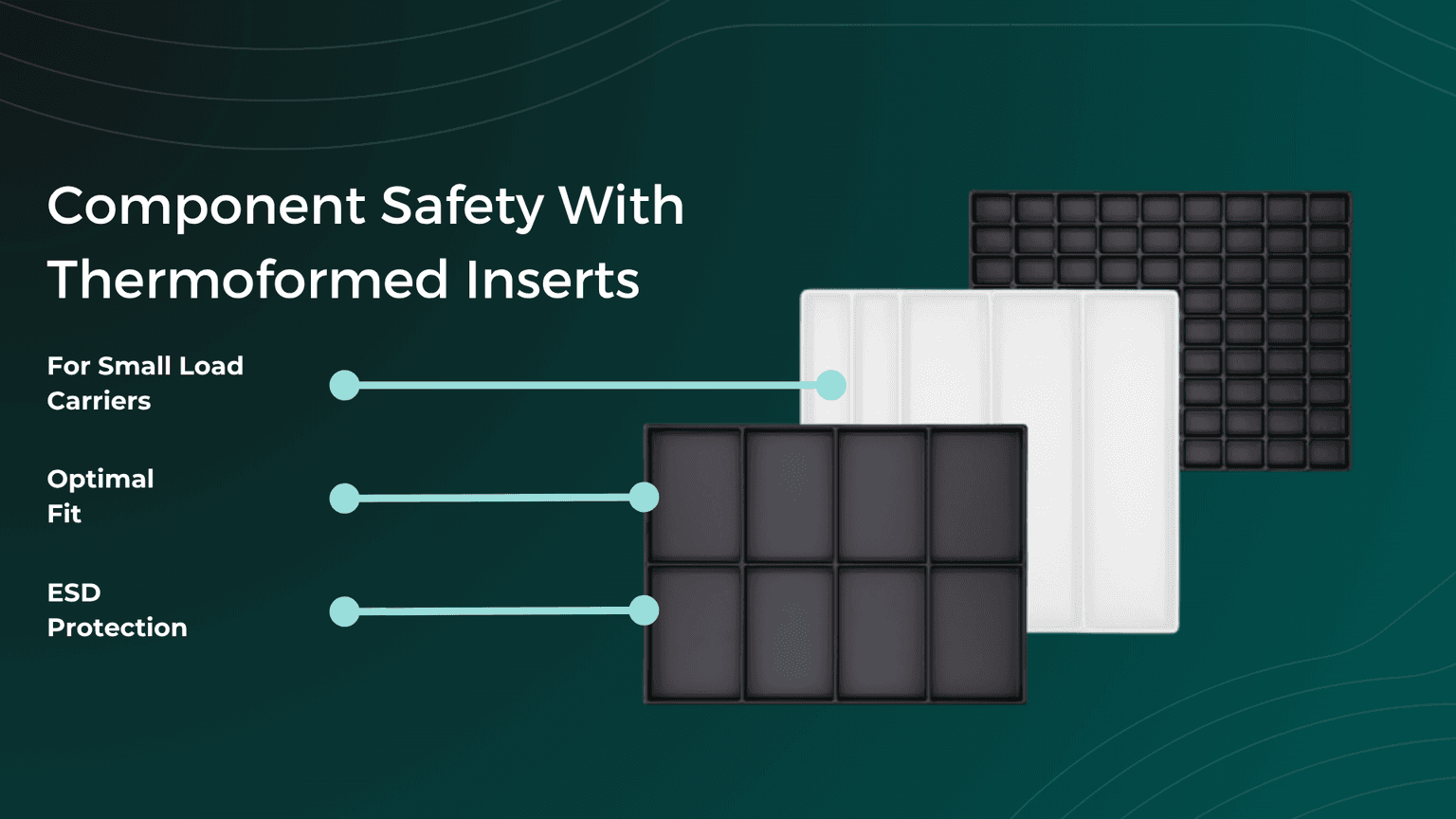
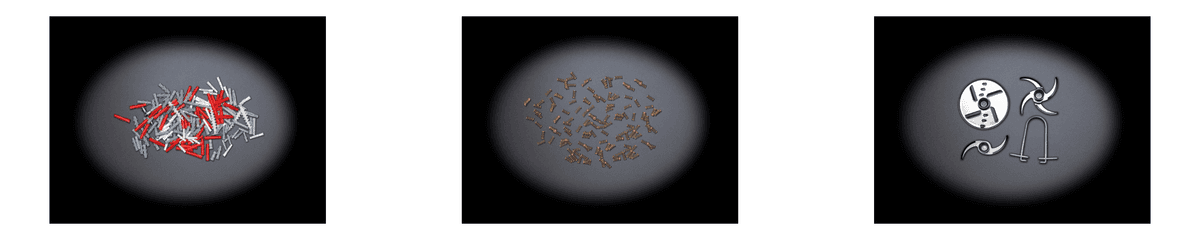
These inserts securely hold products or bulk materials in a custom-fit blister within a container or box. Their precise shape prevents movement, ensuring that sensitive components remain in place. This is especially crucial for delicate parts or products that require a specific orientation during assembly. By securing components, thermoformed inserts prevent transport damage and ensure component safety.
Design features of standard thermoformed inserts
When designing thermoformed inserts, the following points are taken into account:
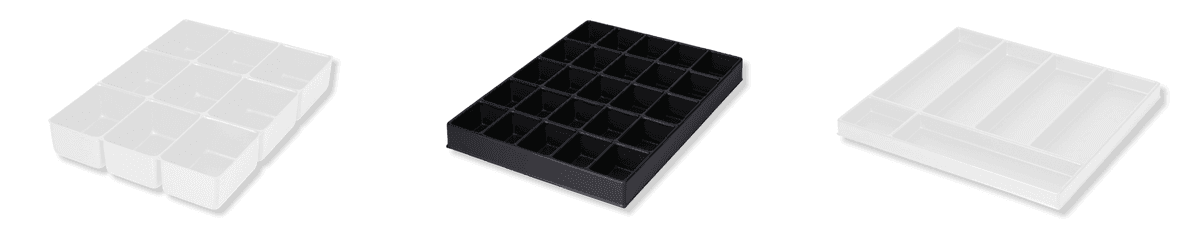
Custom-shaped sockets: Round, square or ribbed, depending on the component geometry.
Clamping devices: Hold sensitive products securely in place.
Minimum punch margin: Ensures a flush finish with the container and prevents slipping.
These features ensure that components are stored securely and stably in any transport situation.
Component Safety for ESD-Sensitive Parts
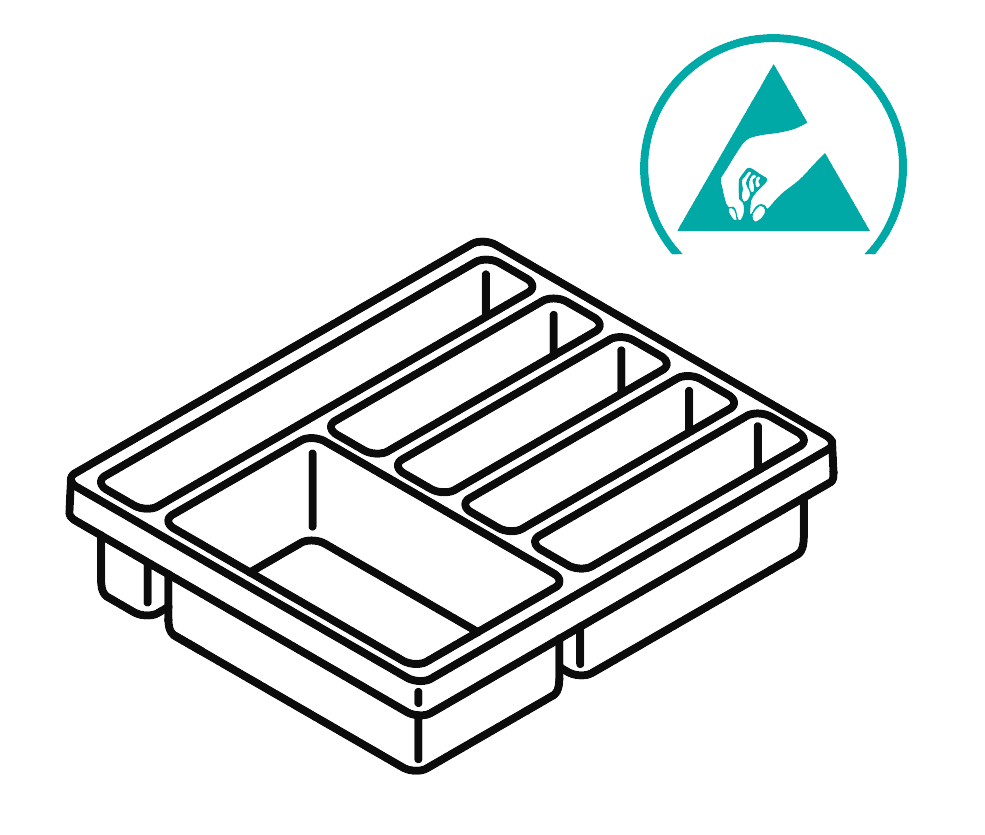
In the electronics industry, protecting delicate components from electrostatic discharge (ESD) is crucial. This electrical discharge can irreparably damage electronic parts, leading to production failures or quality defects.
To prevent this, ESD-Inserts and ESD-Trays are specially designed to securely store and transport electronic components, ensuring safe handling throughout the logistics chain.
Industries That Rely on Thermoformed Inserts for Component Safety
Thermoformed plastic inserts serve as protective transport solutions across various industries. Here are some examples:
Industry
Use Case for Thermoformed Inserts
Automotive
Protection for body parts, electronic modules, and engine components
Electronics
Safe transport of sensitive circuit boards and semiconductor components
Medical Technology
Secure storage of precision instruments and implants
Logistics & Packaging
Interlayers for stackable containers and pallets
Why Are Thermoformed Plastic Inserts Ideal for Component Safety?
Thermoformed plastic inserts are frequently used as durable inserts in small load carriers (SLCs) and Euro-standard containers for small parts that are regularly subjected to heavy use. In cases of intensive mechanical use, such as with heavy tools, the material of the SLC inserts must be particularly robust. Plastic is therefore the preferred material for thermoformed inserts due to its versatility and robustness.
💡Please note: Depending on your requirements, it may be useful to make a comparison between standard inserts and individual solutions. Standard solutions are usually quickly available, have no tooling costs and are mostly designed to fit common SLCs and Euro containers. However, if you have demanding requirements, it may be worthwhile to opt for an individual solution. You can find out what to look for when making your choice in our article Standard Trays vs. Individual Tray Solutions.
Plastic properties
Lightweight and durable: Plastic reduces the overall weight of thermoformed packaging and can withstand even heavy use.
Flexible and malleable: Plastics can be easily heated and moulded into almost any shape, allowing for a wide variety of designs.
Shock-absorbing: Thermoplastics offer good shock absorption, making them ideal for shock-absorbing applications.
Chemical and corrosion resistant: As a rule, most plastics do not react with water, acids or alkalis, making them ideal for use in damp environments and in chemical processes.
When designing the insert, it is important to consider the requirements that the plastic material must meet in order to ensure that the components are adequately protected during transport.
ℹ️ In our online shop you will find a selection of over 200 standard thermoformed liners for KLTs and Euronorm containers made from PS. Polystyrene is the standard plastic used in thermoforming; it is chemically resistant, has a high degree of hardness and is therefore ideal for transport applications.
Component safety for your components – with formary Standard thermoformed inserts
Effective component protection is essential for ensuring that products reach their destination safely and undamaged. Do you have any questions or would you like a personalised consultation? Please feel free to contact us; we will help you find the ideal transport protection solution.
Yes. In addition to our online store, you can easily configure a thermoformed insert to meet your specific requirements using our configurator and send us your request. We will get back to you within 24 hours.
Alternatively: If you already have 3D data for your component, you can use it to create a tray design directly in our 3D Tray Generator.
Related content
Thermoformed Parts in Practice
Warehouse Inventory: Tips & Tricks for Better Warehouse Organization and Efficiency with Trays
Warehouse inventories cost time, tie up staff, and often disrupt ongoing operations. This is especially true for small parts, serial components, or recurring components, where counting quickly becomes confusing if parts are stored loose in boxes or shelf compartments. Standard trays create a simple yet effective structure here for better warehouse organization. This article shows how trays optimize inventory counts in both the warehouse and production.
Thermoformed Parts in Practice
Tray Labeling: How to Use Labels Effectively for Your Packaging
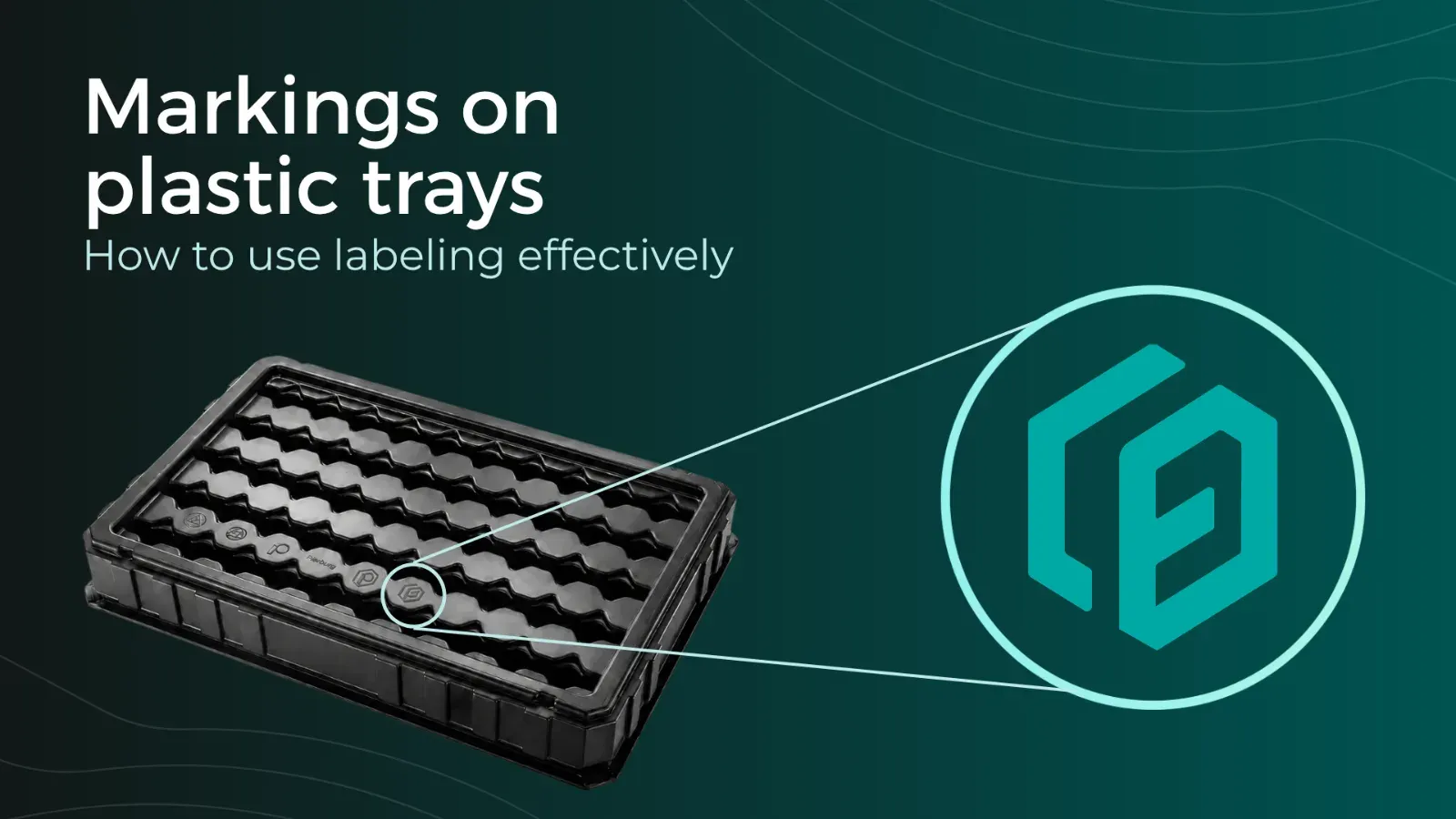
To ensure that trays can be correctly identified and used, clear labeling is essential. Depending on the application, quantity, and process requirements, different methods can be used, such as permanent engraving or flexible labels. In this article, you will learn which tray labeling methods are available, when each method makes sense, and how labeling can already be incorporated into the tray design using formary’s 3D Tray Generator.
Thermoformed Parts in Practice
Supplier Guide for Plastic Thermoformed Parts – 10 Key Factors That Matter
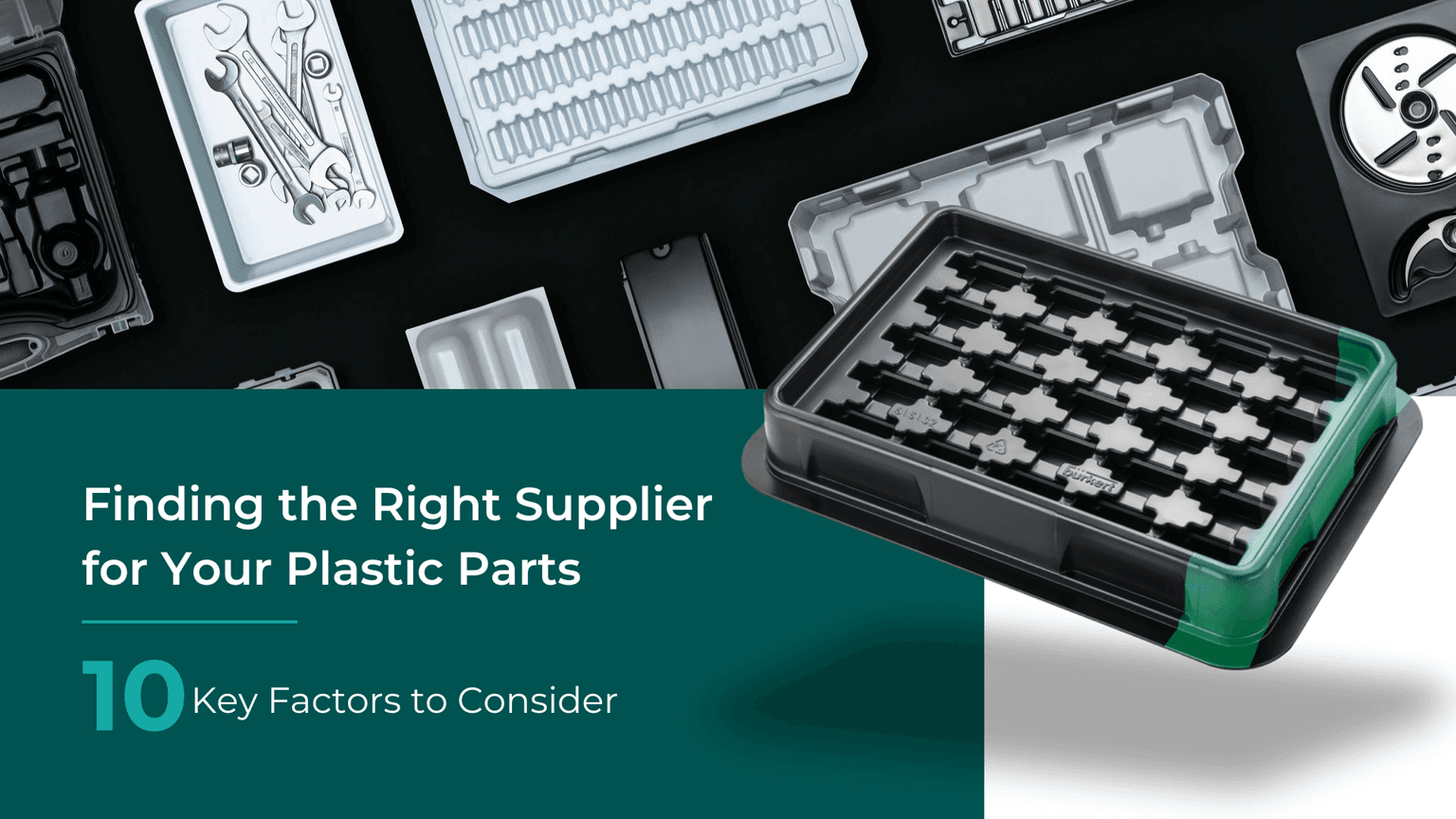
Choosing the right supplier for plastic thermoformed parts is crucial for the quality, efficiency, and cost-effectiveness of your production. Our 10 tips will show you what to look for when selecting a supplier.
Platform & Features
3 Factors That Accelerate Your Procurement with formary
The three key factors—time, speed, and efficiency—are crucial for success in industrial manufacturing, from inquiry to delivery. That’s why formary has optimized this process, significantly accelerating the procurement of plastic thermoformed parts. Learn more in this article.
Thermoformed Parts in Practice
Rapid Prototyping in Thermoforming – Definition, Benefits & Processes
Rapid prototyping is used in product development to quickly create preliminary models. In thermoforming, rapid prototyping offers numerous advantages for producing high-quality prototypes efficiently and cost-effectively.
Platform & Features
Project Planning in Thermoforming – From Concept to Mass Production
From the initial idea to mass production, various factors must be considered in thermoforming project planning, including material selection, tool manufacturing, and quality control. This article provides a detailed look at how a thermoforming project with formary is executed.
Thermoformed Parts in Practice
Thermoforming vs. 3D Printing – Advantages, Disadvantages, Differences, and Similarities
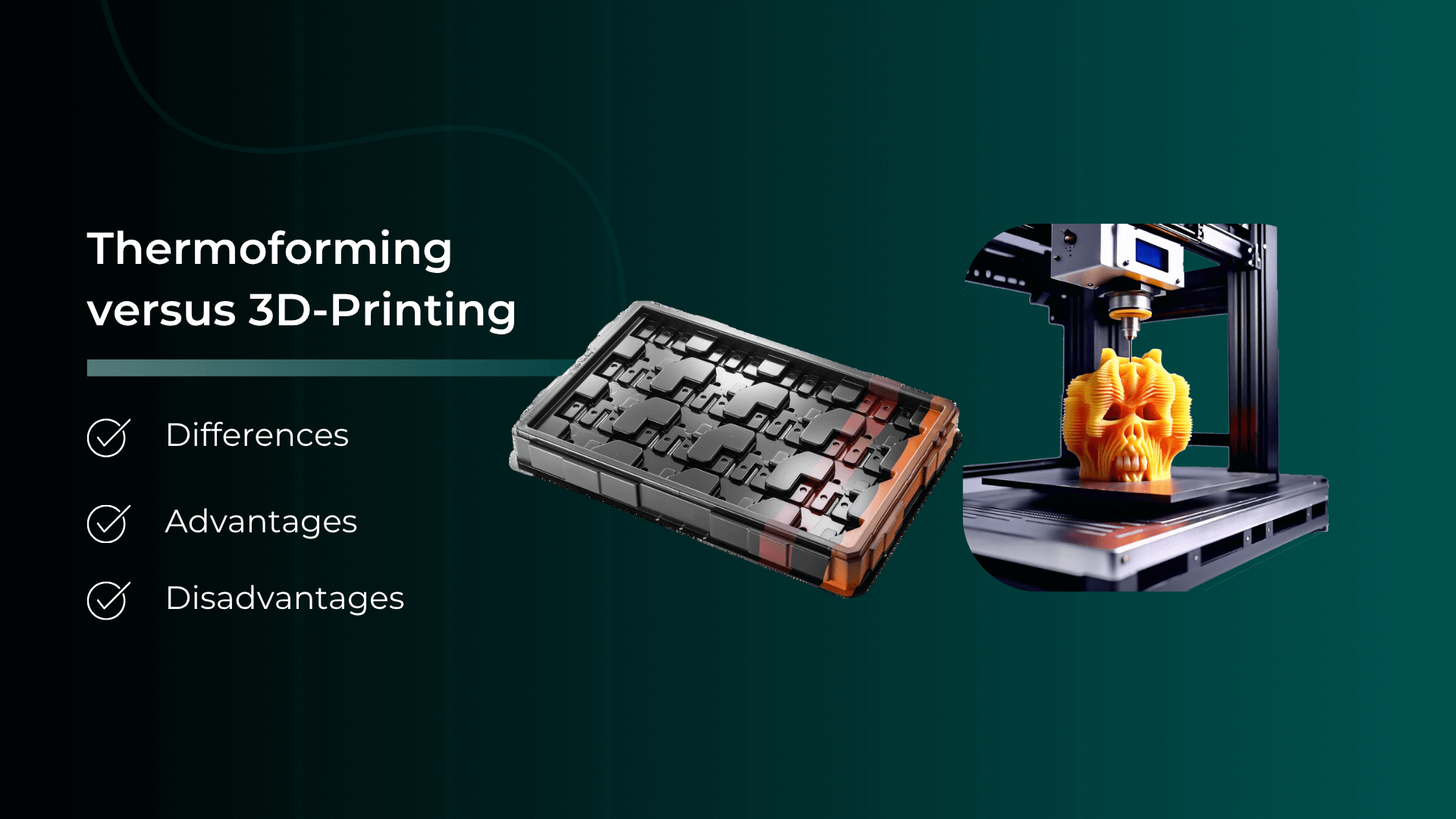
Plastic parts are manufactured using various processing methods. In this article, we focus on comparing the processes of plastic thermoforming and 3D printing.
Thermoformed Parts in Practice
Injection Molding vs. Plastic Thermoforming – Advantages, Disadvantages, Differences, and Similarities
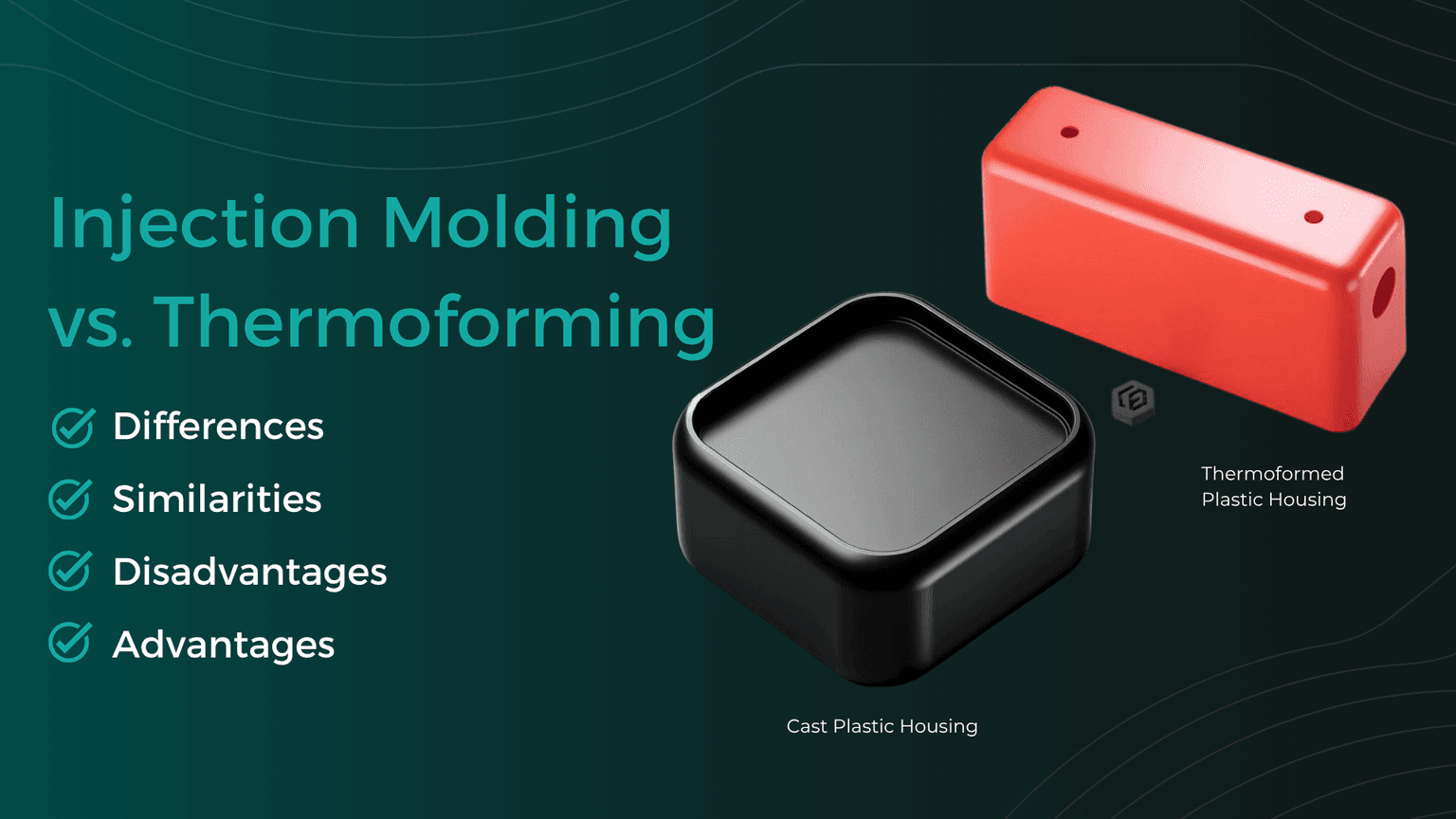
In the world of plastic processing, there are various common manufacturing methods used to produce precise plastic components for industrial applications. We compare two of them: Injection Molding and Plastic Thermoforming.
Thermoformed Parts in Practice
Checking CAD Models for Thermoformability: The Designer's Guide
Whether a plastic part is thermoformable is determined in the CAD model. Anyone who discusses geometry, wall thicknesses, and demoldability only after the first sampling pays for this loop with tool modifications, material waste, and lost weeks in the project timeline. This can be avoided during design: with a structured check that evaluates each model along this guide and makes typical sources of error visible early on.