



Electronic Plastic Housings | Plastic Enclosures for Electronics

Plastic Housings for Electronic Components

Electronic plastic enclosures protect against dust, moisture, mechanical damage, and electromagnetic radiation

What Are Plastic Electronic Enclosures and What Are They Used For?

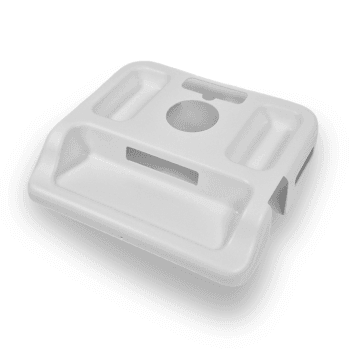
Plastic electronic enclosures are dimensionally stable protective casings designed to shield electronic components from external influences. Plastic housings for electronics provide insulation, protect against dust, moisture, and mechanical stress, and can also be manufactured with electrostatic discharge protection (ESD-safe) when required. They are used as enclosures for circuit boards, power distribution boxes, switches, or desktop devices and can be individually tailored to the specific geometry of each component.

Elektronikgehäuse aus Kunststoff mit Deckel
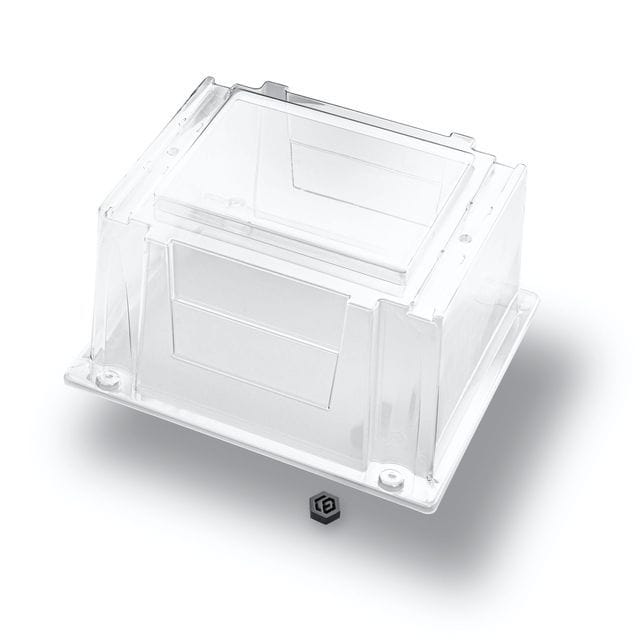
Kunststoffgehäuse für Elektronik in transparent
Kunststoffabdeckung für elektronische Komponenten

Plastic Electronic Enclosures: Applications & Features

Elektronikgehäuse aus Kunststoff

ESD-Protection

Through the use of conductive plastics, plastic enclosures for electronics are able to safely dissipate static charges, thereby protecting sensitive electronic components from external influences and damage.

Kunststoffgehäuse_Langlebigkeit und Robustheit

Robust & Durable

Plastic housings for electronics are resistant to shocks, vibrations, and moisture. This makes plastic parts for electronics ideal for protecting electronic components.

Kunststoffgehäuse für Elektronik in Farbe

Customizable

Plastic enclosures for electronics can be manufactured in a wide variety of sizes, shapes, and colors depending on the application. Whether you need plastic enclosures in black, white, transparent, a RAL color, with assemblies, or a hinged lid—your plastic electronics enclosure will be created according to your requirements.

DfM analysis for Electronic Enclosures: Is your Design suitable for Thermoforming?

Do you already have a CAD-Model for your Plastic Electronics Enclosure? We will check it for you – free of charge and without obligation.

With our DfM analysis (Design for Manufacturability), we can determine at an early stage whether your design can be implemented economically and technically using the thermoforming process.

DfM-Analyse Mockup

Applications of Plastic Electronic Housings

Electronics

  • Household Appliances
  • Power and Fuse Boxes
  • Meter Cabinet Enclosures
  • Adapters, Resistors
  • Connectors
  • Circuit Board Holders
  • Production Covers
  • Enclosures for Circuits
  • Small Electronics Enclosures
  • Desktop Electronics Enclosures
  • Switch Enclosures Made of Plastic

Automotive

  • Automotive interiors
  • Car radios
  • Assemblies for the automotive industry
  • Push button switches
  • Navigation systems
  • Sensors
  • Connectors
  • Headlights
  • Dashboards
  • Door panels
  • Consumer electronics

Mechanical Engineering

  • Production facilities
  • Plastic housings for control panels
  • Sensors
  • Switches
  • Electronic components
  • Measuring instruments
  • Measurement technology

Further ESD-Thermoformed Products for Electronics

ESD-Workpiece Carriers & Trays

ESD plastic workpiece carriers are specially designed for the safe storage and structured transport of electronic assemblies, circuit boards, sensors and connectors. ESD trays feature customised nest shapes and ensure that each component fits perfectly, even during automated handling with robots or pick-and-place systems.

ESD-Transport Packaging

formary offers ESD transport packaging made of plastic for internal factory logistics and external shipping of sensitive electronics. The trays are stackable, reusable and space-saving. Thanks to their antistatic properties, they protect your components during storage and transport, especially in the case of loose goods or assembled components.

Advantages of Plastic Electronic Enclosures

Geometrien_Icon

Versatile Sizes and Shapes

There is a wide range of plastic enclosure sizes and shapes for different applications.

Felixbilität_Icon

Customization

Plastic electronics housings can be flexibly adapted to the electronic components.

Stapelung_Icon

Easy Handling

The ergonomic design of plastic enclosures for electronics ensures easy handling.

Bauteil Abmessungen Icon

Efficient Handling

Transparent plastic housings for electronics provide a clear view of the electronic components, making component identification easier.

Messung_Icon

Protection Against Damage

Plastic enclosures for electronics offer protection against shocks, vibrations, and other mechanical stresses.

Gestricheltes Viereck_Icon

Insulation Capability

Plastic electronics housings are excellent insulators, protecting electrical components from short circuits.

Application Areas of Plastic Electronics Housings

Elektronikgehäuse aus Kunststoff mit Deckel

Plastic Covers for Electronic Components

In household appliances and power and fuse boxes, plastic covers, thermoformed enclosures, and covers made of ESD plastic are used for electrical components. Plastic electronics enclosures are not only versatile but also a sustainable option.

By reusing plastic electronics enclosures, waste is minimized, and the need for disposable materials such as cardboard or foam is reduced.

Kunststoffgehäuse für Elektronik in transparent

Electronics Enclosures in Energy and Building Services Engineering

Plastic electronics enclosures are often used in energy supply and building technology, for example as covers and enclosures for fuse boxes, electricity meters, connectors or smart home components. Household appliances such as washing machines, dryers and kitchen appliances also contain numerous sensitive electronic components that are protected from external influences by precisely fitting plastic enclosures.

Medizintechnik Gehäuse

Plastic Housings in Medical Technology

In medical devices and laboratory systems, Medical Technology Enclosures protect sensitive electronics, displays and connecting elements. Typical applications include portable diagnostic systems, patient monitoring devices and analytical measuring instruments, with a focus on hygiene, lightness and design customisation.

Comparison of Plastic and Metal in Electronic Enclosures

Criterion Plastic EnclosuresMetal Enclosures
WeightVery lightweight – ideal for mobile applicationsHeavier – robust, but less transport-friendly
Variety of shapesFreely formable – ideal for complex geometriesRestricted – rather angular and volume-based
Protective functionGood shock and vibration resistance, insulatingHighly resistant to impact, conducts electricity
ESD capabilityESD plastics possible (conductive)Conductive, but often requires insulation measures
Corrosion behaviourCorrosion-free – no additional protection requiredVulnerable without coating (e.g. paint, powder coating)
Appearance & DesignFreely selectable colours, surfaces, transparency possibleMostly industrial appearance, little customisation
Recyclability Separable by type, also possible from recycled materialsEasily recyclable, depending on the alloy
EMC protectionOnly through additional measuresNaturally shielding (e.g. aluminium)
ExpensesQuite low costsRelatively high costs

FAQ – Frequently asked Questions about Plastic Electronics Enclosures

What is a Plastic Electronics Enclosure?

A plastic electronics enclosure protects electronic components from external influences such as dust, moisture, mechanical stress or electrostatic discharge (ESD). It is thermoformed and individually adapted to the component geometry.

Which Materials are suitable for Electronic Enclosures?
Are custom Shapes and Cut-outs possible?
Can Plastic Enclosures also be printed on?
Are there transparent Housing Variants?
How robust are Plastic Electronic Enclosures?
Can the Housings be manufactured sustainably?
I already have a CAD-Model. Can I have it checked by you?

Configure Your Plastic Electronic Housing and Get an Offer Now.

Now configure your custom Plastic Enclosure for Electronics.

More information about ESD-Protection and Plastic Design

10 Details a Thermoformer needs Banner
Thermoformed Parts in Practice

Checklist: 10 Details a plastic thermoformer needs from you

You’re planning to source plastic thermoformed parts and want to submit a request for a quote. But what information does a thermoforming supplier really need to provide you with a meaningful quote? Incomplete requests lead to follow-up questions, delay the quoting process, and complicate the technical evaluation. If you provide the right information from the start, you’ll receive a reliable estimate faster and avoid unnecessary back-and-forth.
Construction Data in Thermoforming: These Factors Must Be Considered for Plastic Deep Drawn Parts
Thermoformed Parts in Practice

Construction Data in Thermoforming: These Factors Must Be Considered for Plastic Deep Drawn Parts

Deep drawn parts are custom-made and designed individually in a CAD format. Before a deep drawing tool is manufactured, a customer approval process of the CAD data or the derived, dimensioned PDF drawing takes place.
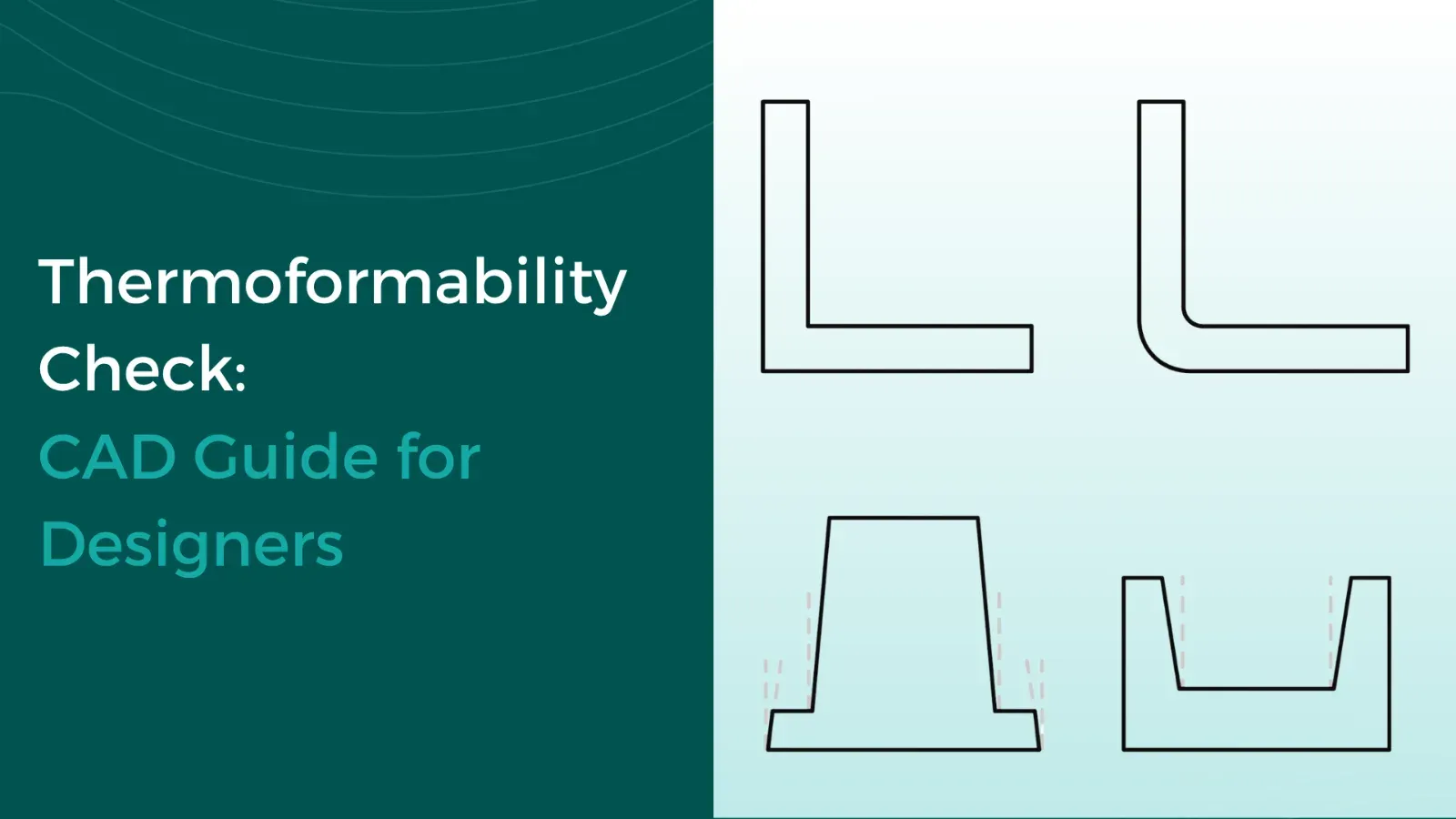
 Design Guidelines for Plastic Thermoformed Parts – Top 13 Tips for Plastic-Optimized Construction
Thermoformed Parts in Practice

Design Guidelines for Plastic Thermoformed Parts – Top 13 Tips for Plastic-Optimized Construction

Plastic thermoforming is shaped by factors like material quality, temperature, pressure, speed, and tool geometry. With the right design principles, you can prevent errors in CAD and production. formary has gathered key tips to help you optimize your thermoformed parts.
Blog Banner English
Thermoformed Parts in Practice

Design for Manufacturing (DfM): Guide to Manufacturing-Oriented Design

With the new Design for Manufacturing analysis from formary, it is now possible to check CAD data for thermoformability in a matter of seconds, allowing potential sources of error to be identified early on before they become costly. Read on to find out what features the DfM software offers and what the Design for Manufacturing principle entails.
B2B Platforms in Plastics Processing
Thermoformed Parts in Practice

B2B Platforms in Plastics Processing: Functions, Processes & Decision Criteria 2026

In 2026, B2B platforms are evolving from pure procurement tools into central control elements of industrial value creation. This shift is especially pronounced in plastics processing, a field characterized by complex materials, highly variant components, and demanding quality requirements.
Projektplanung im Thermoforming
Platform & Features

Project Planning in Thermoforming – From Concept to Mass Production

From the initial idea to mass production, various factors must be considered in thermoforming project planning, including material selection, tool manufacturing, and quality control. This article provides a detailed look at how a thermoforming project with formary is executed.
Lieferantensuche für Kunststoffteile_Banner
Thermoformed Parts in Practice

Supplier Guide for Plastic Thermoformed Parts – 10 Key Factors That Matter

Choosing the right supplier for plastic thermoformed parts is crucial for the quality, efficiency, and cost-effectiveness of your production. Our 10 tips will show you what to look for when selecting a supplier.
Rapid Prototyping in Thermoforming
Thermoformed Parts in Practice

Rapid Prototyping in Thermoforming – Definition, Benefits & Processes

Rapid prototyping is used in product development to quickly create preliminary models. In thermoforming, rapid prototyping offers numerous advantages for producing high-quality prototypes efficiently and cost-effectively.
Thermoforming vs. Alternatives_Banner
Thermoformed Parts in Practice

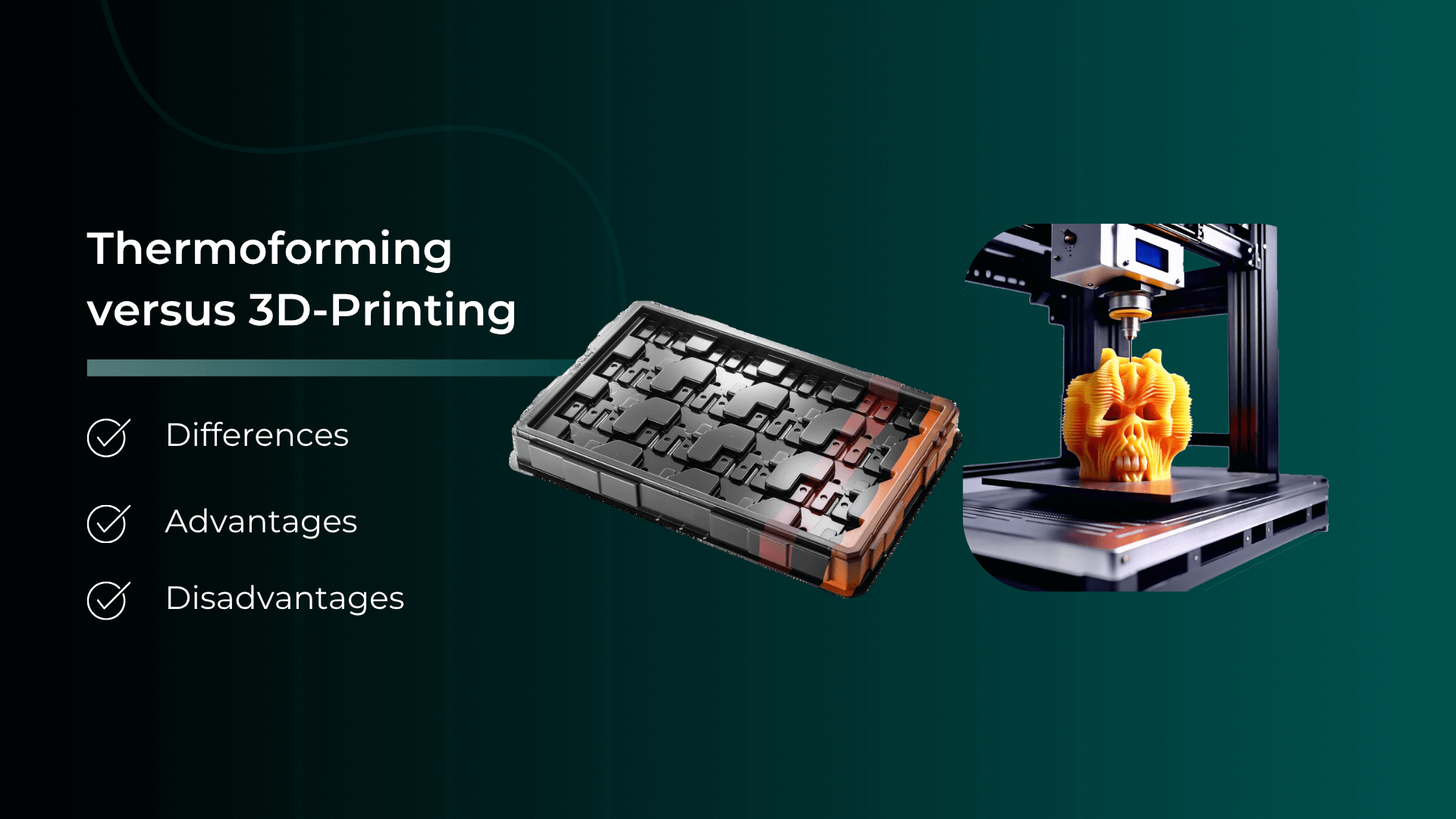
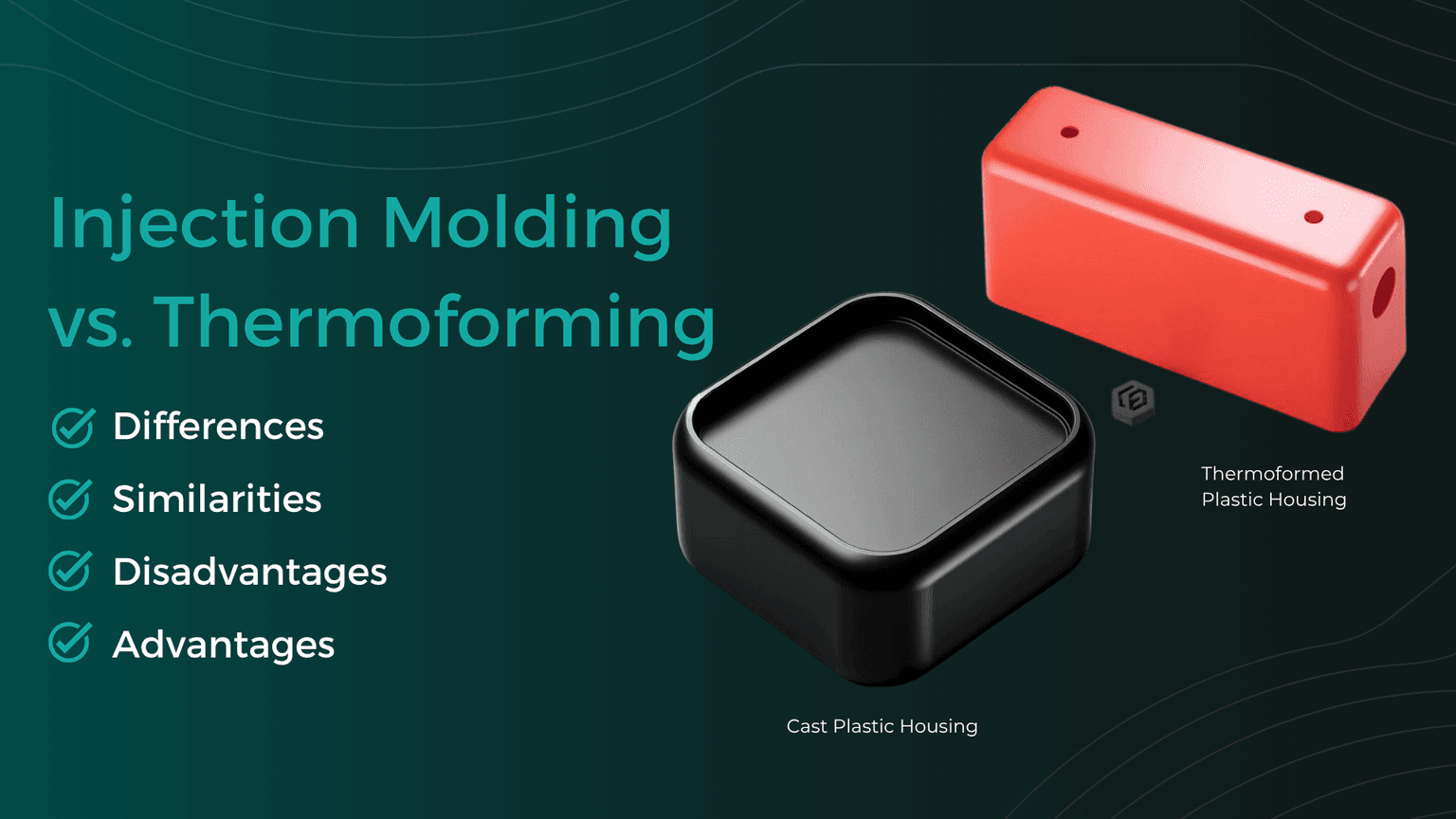
Plastic Manufacturing Processes Compared: Thermoforming vs. Injection Molding, 3D Printing, CNC Milling, and Foam

When manufacturing plastic parts, thermoforming is often compared with injection molding, milling, 3D printing, and foam solutions. The decisive factors are speed, cost, design freedom, material requirements, and process reliability. This article highlights the key differences between these processes.