



ESD containers | ESD boxes | ESD trays

Plastic ESD containers

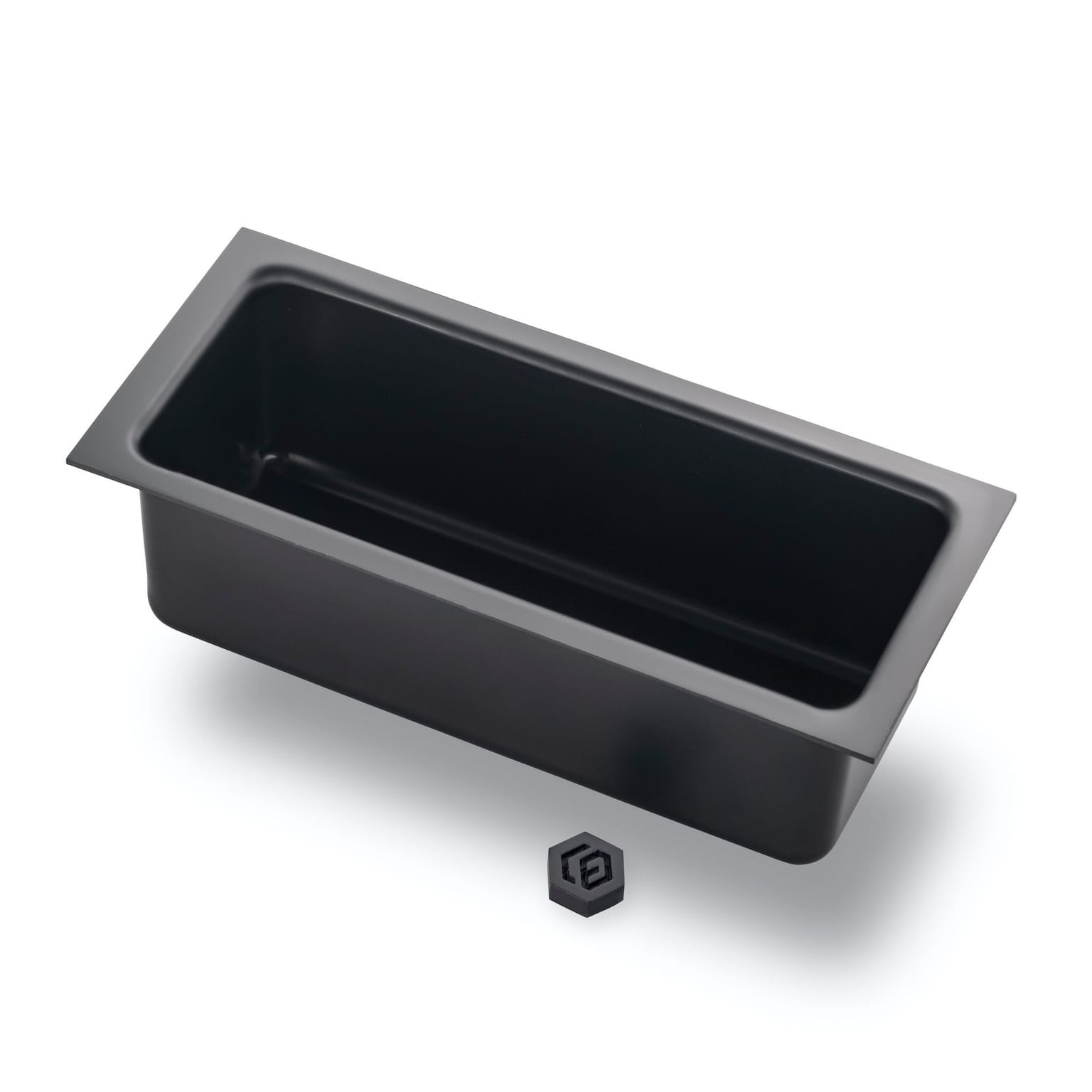
Deep-drawn plastic ESD containers for reliable component protection in electronics manufacturing. Ideal for transport, storage and automated handling.

What is an ESD Container?

An ESD container is a special plastic container designed to protect sensitive electronic components from electrostatic discharge (ESD). This prevents electronic components such as circuit boards, chips or sensors from being damaged by static discharge.

Tiefziehbehälter aus Kunststoff in weiß
Tiefziehbehälter aus Kunststoff in rot
Schwarzer Kunststoffbehälter
Roter Tiefziehbehälter aus Kunststoff mit schmaler Passform

What Types of ESD Containers Are Available?

Depending on the area of application, various types of ESD containers are available: from compact KLT containers to large-volume transport containers.

The most common variants include:

  • ESD Euro containers: Standardised dimensions according to Euro standards, ideal for warehouses and logistics systems.
  • ESD KLT containers: Stackable small load carriers for automated manufacturing and conveyor systems.
  • ESD stacking boxes: Space-saving and robust, can be flexibly combined in different sizes.
  • ESD transport containers: Offer maximum protection when shipping sensitive electronic components.

Typical areas of application are electronics manufacturing, the automotive industry, medical technology and laboratory environments, i.e. wherever electrostatically sensitive components need to be safely processed, stored or transported.

Functions & properties of ESD containers

Tiefziehbehälter Einsatzdauer

Durable materials

Plastic ESD containers are impact-resistant, abrasion-resistant and designed for multiple use. This ensures long-lasting use with minimal wear and tear.

Formgebung ESD-Behälter

Customised design

Each ESD container is precisely tailored to your production processes. This ensures safety and guarantees maximum process reliability.

Kunststoffbehälter mit ESD-Schutz

ESD protection

Stackable containers and transport containers with ESD protection prevent electrostatic discharges and thus protect sensitive components.

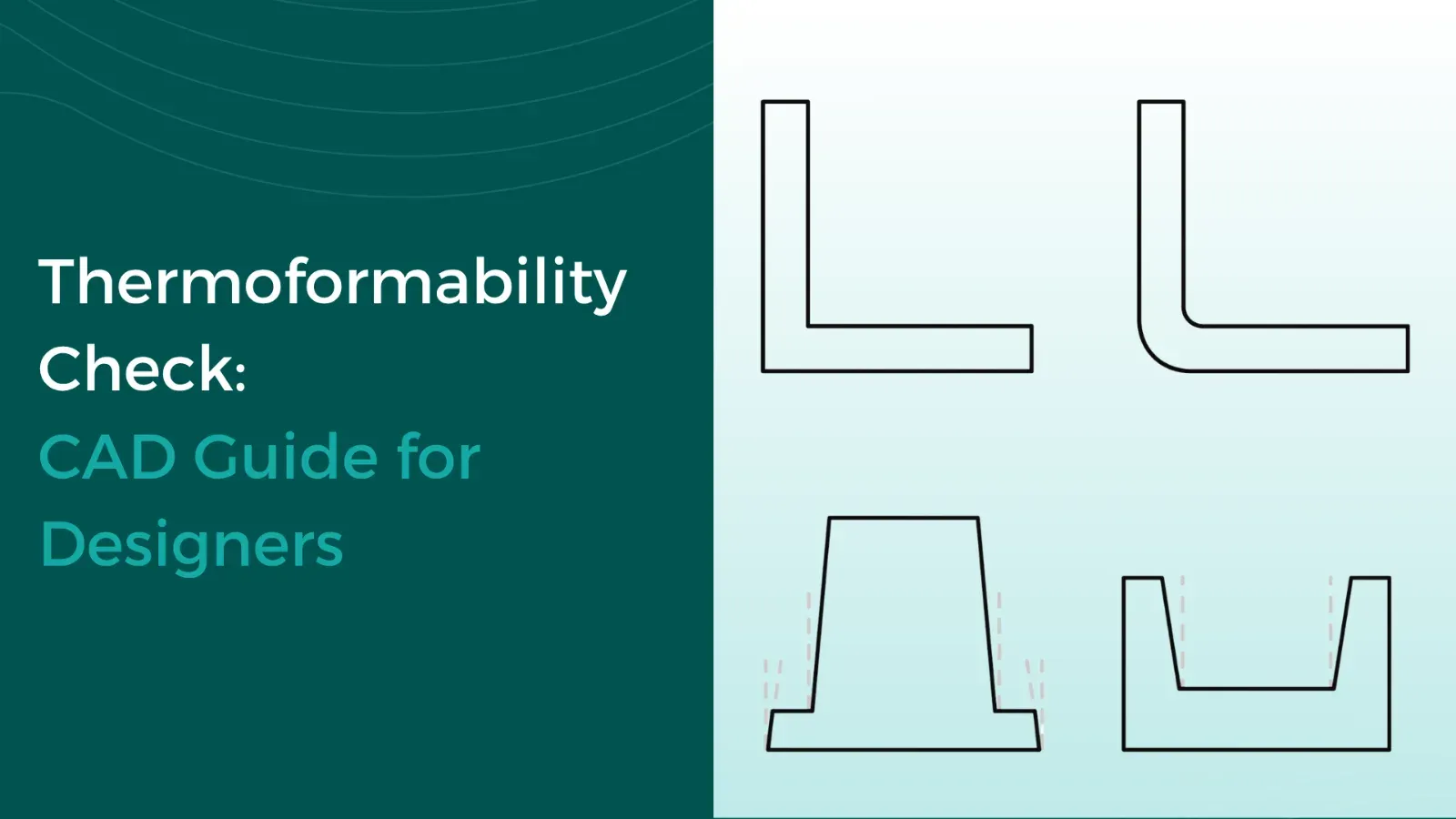
Thermoforming check for your ESD container in 60 seconds

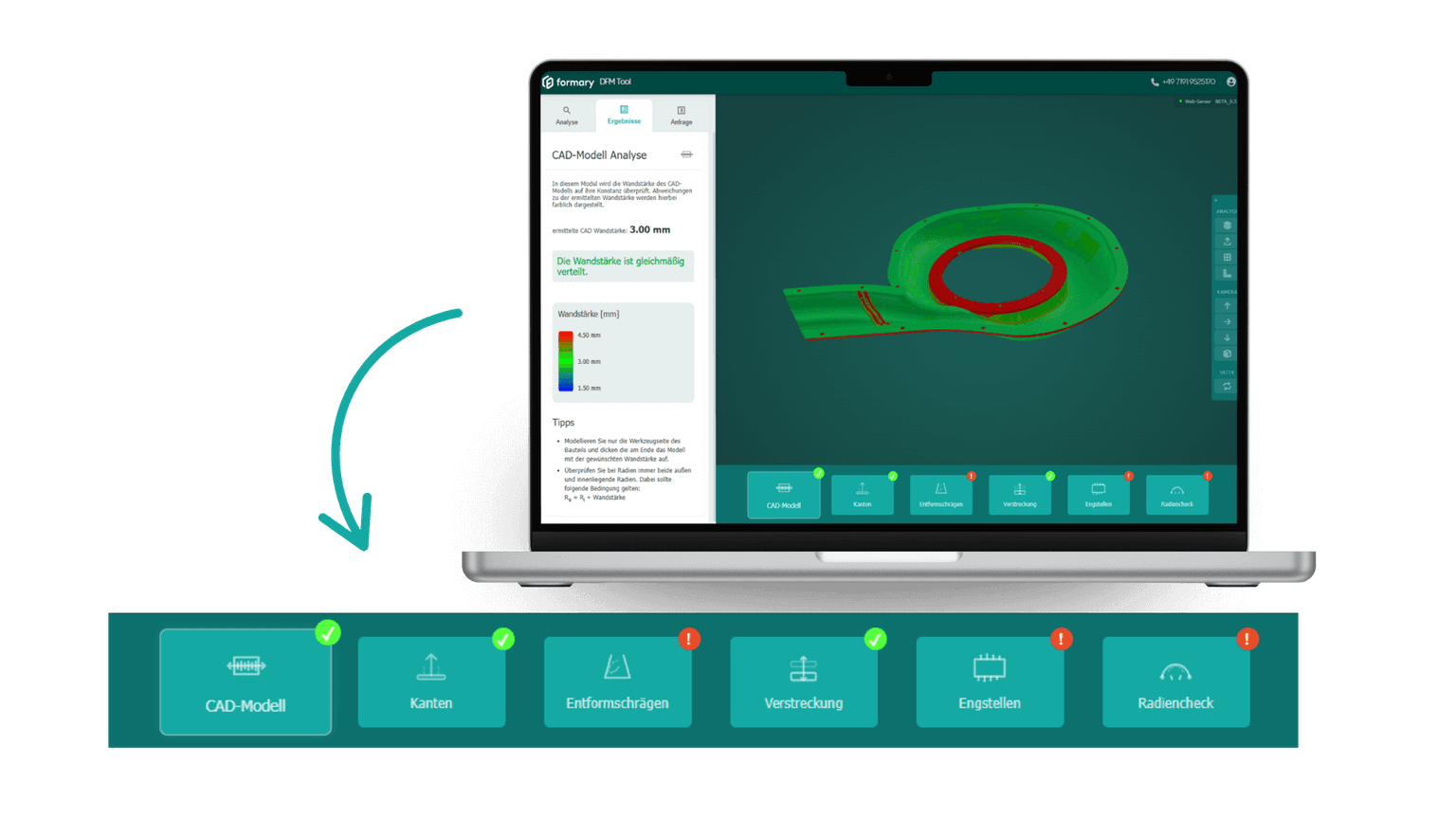
Use our DfM analysis to check your ESD plastic container for thermoformability.

In our demo, we show you how to use our DfM analysis to check your CAD file for all relevant thermoforming criteria in just a few seconds.

DfM-Analyse Mockup

Areas of application for plastic ESD containers

Electronics

  • ESD containers for printed circuit boards (PCBs)
  • ESD containers for microchips
  • Antistatic containers for sensors
  • ESD containers for connectors
  • ESD containers for automotive components
  • ESD containers for measurement and testing technology
  • ESD containers for circuit board stacks
  • ESD containers for robotics components
  • ESD containers for electronic modules
  • ESD containers for solar cells and photovoltaic elements
  • ESD containers for sensitive electronic components in shipping
  • Reusable ESD containers for production cycles
  • Deep-drawn ESD containers for assembly and production lines
  • ESD containers for precise handling in SMT and THT production

Advantages of plastic ESD containers

Lineal_Icon

Space-saving

Thanks to their clever design, the ESD containers can be stacked efficiently and nested inside one another. This makes optimum use of the available storage and transport space.

Stapelung_Icon

Stackable

Sturdy ESD stackable containers enable safe and easy stacking, reducing the risk of damage to sensitive components.

Viereckige Blöcke_Icon

Light

Made from high-quality plastic, ESD boxes are particularly light yet robust. Their low weight reduces transport costs and enables ergonomic handling in daily use.

Netz_Icon

Stable

ESD transport containers are durable and offer high dimensional stability and impact resistance. Even with intensive use, they provide reliable protection for sensitive electronic components.

Automation Mockup

Temperature resistant

ESD containers retain their shape and remain usable at both high and low temperatures. This makes them ideal for production and storage environments with changing climatic conditions.

Schutzschild_Icon

Chemical resistant

The plastics used are resistant to many oils, greases and chemicals. This means that antistatic plastic containers remain durable and easy to clean even in demanding industrial environments.

Fields of application for plastic ESD containers

Schwarzer Kunststoffbehälter

ESD containers in the automotive industry

Electronic systems are increasingly being used in vehicle production, for example in control units, sensor technology and driver assistance systems. ESD containers ensure the safe transport of sensitive components between suppliers, assembly lines and testing stations. They are an integral part of the material flow, particularly in the just-in-time logistics of the automotive industry.


Roter Kunststoffbehälter_Kunststoff lackieren

ESD containers in aerospace

The aerospace industry uses ESD containers for high-precision electronic components, sensors and control systems. Absolute reliability is therefore crucial, as even the smallest electrostatic discharges can have serious consequences. ESD boxes ensure controlled handling in all process steps, from production to final assembly.

Roter Tiefziehbehälter aus Kunststoff mit schmaler Passform

ESD containers in the electronics industry

In the electronics industry, ESD storage containers protect printed circuit boards, microchips, sensors and other electronic components during production. ESD protection prevents failures and quality defects, which is a particularly important factor in the series production of electrical devices.

FAQ – Frequently asked questions about ESD containers

What is an ESD container?

ESD stands for electrostatic discharge. During the manufacture, storage or transport of electronic components, static electricity can build up and damage sensitive components. Plastic ESD containers prevent these discharges by dissipating electrical charges in a controlled manner. This means they offer optimum protection for electronic components.

What does ESD mean in relation to plastics?
What does the abbreviation ESD stand for?
Where are ESD containers used?
What is the service life of ESD containers?
Can ESD containers lose their ESD capability?

Configure plastic ESD containers and receive a quote.

Configure your customised container with ESD protection now.

Everything you need to know about ESD protection and thermoformed parts

10 Details a Thermoformer needs Banner
Thermoformed Parts in Practice

Checklist: 10 Details a plastic thermoformer needs from you

You’re planning to source plastic thermoformed parts and want to submit a request for a quote. But what information does a thermoforming supplier really need to provide you with a meaningful quote? Incomplete requests lead to follow-up questions, delay the quoting process, and complicate the technical evaluation. If you provide the right information from the start, you’ll receive a reliable estimate faster and avoid unnecessary back-and-forth.
Construction Data in Thermoforming: These Factors Must Be Considered for Plastic Deep Drawn Parts
Thermoformed Parts in Practice

Construction Data in Thermoforming: These Factors Must Be Considered for Plastic Deep Drawn Parts

Deep drawn parts are custom-made and designed individually in a CAD format. Before a deep drawing tool is manufactured, a customer approval process of the CAD data or the derived, dimensioned PDF drawing takes place.
 Design Guidelines for Plastic Thermoformed Parts – Top 13 Tips for Plastic-Optimized Construction
Thermoformed Parts in Practice

Design Guidelines for Plastic Thermoformed Parts – Top 13 Tips for Plastic-Optimized Construction

Plastic thermoforming is shaped by factors like material quality, temperature, pressure, speed, and tool geometry. With the right design principles, you can prevent errors in CAD and production. formary has gathered key tips to help you optimize your thermoformed parts.
Blog Banner English
Thermoformed Parts in Practice

Design for Manufacturing (DfM): Guide to Manufacturing-Oriented Design

With the new Design for Manufacturing analysis from formary, it is now possible to check CAD data for thermoformability in a matter of seconds, allowing potential sources of error to be identified early on before they become costly. Read on to find out what features the DfM software offers and what the Design for Manufacturing principle entails.
B2B Platforms in Plastics Processing
Thermoformed Parts in Practice

B2B Platforms in Plastics Processing: Functions, Processes & Decision Criteria 2026

In 2026, B2B platforms are evolving from pure procurement tools into central control elements of industrial value creation. This shift is especially pronounced in plastics processing, a field characterized by complex materials, highly variant components, and demanding quality requirements.
Projektplanung im Thermoforming
Platform & Features

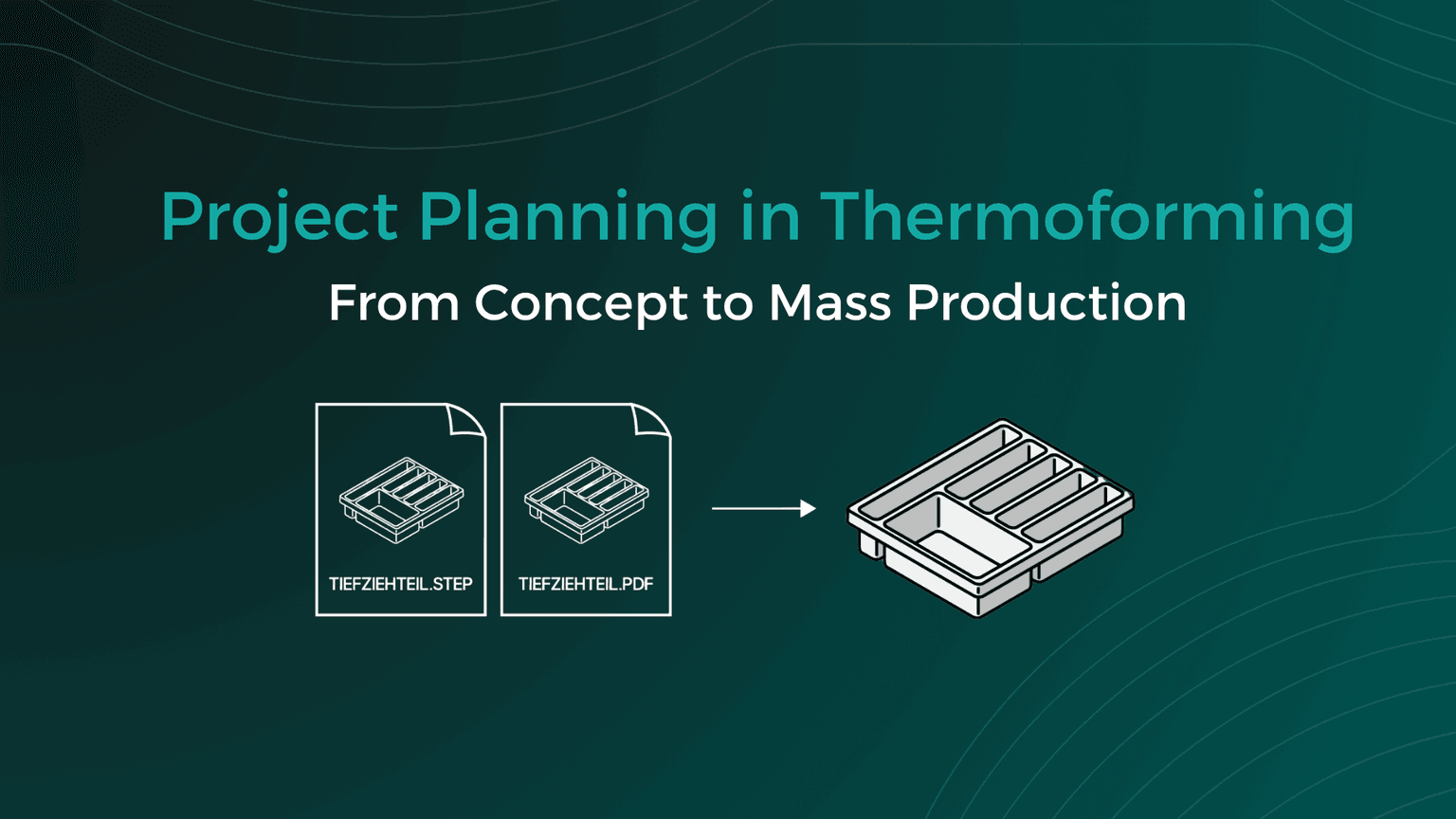
Project Planning in Thermoforming – From Concept to Mass Production

From the initial idea to mass production, various factors must be considered in thermoforming project planning, including material selection, tool manufacturing, and quality control. This article provides a detailed look at how a thermoforming project with formary is executed.
Lieferantensuche für Kunststoffteile_Banner
Thermoformed Parts in Practice

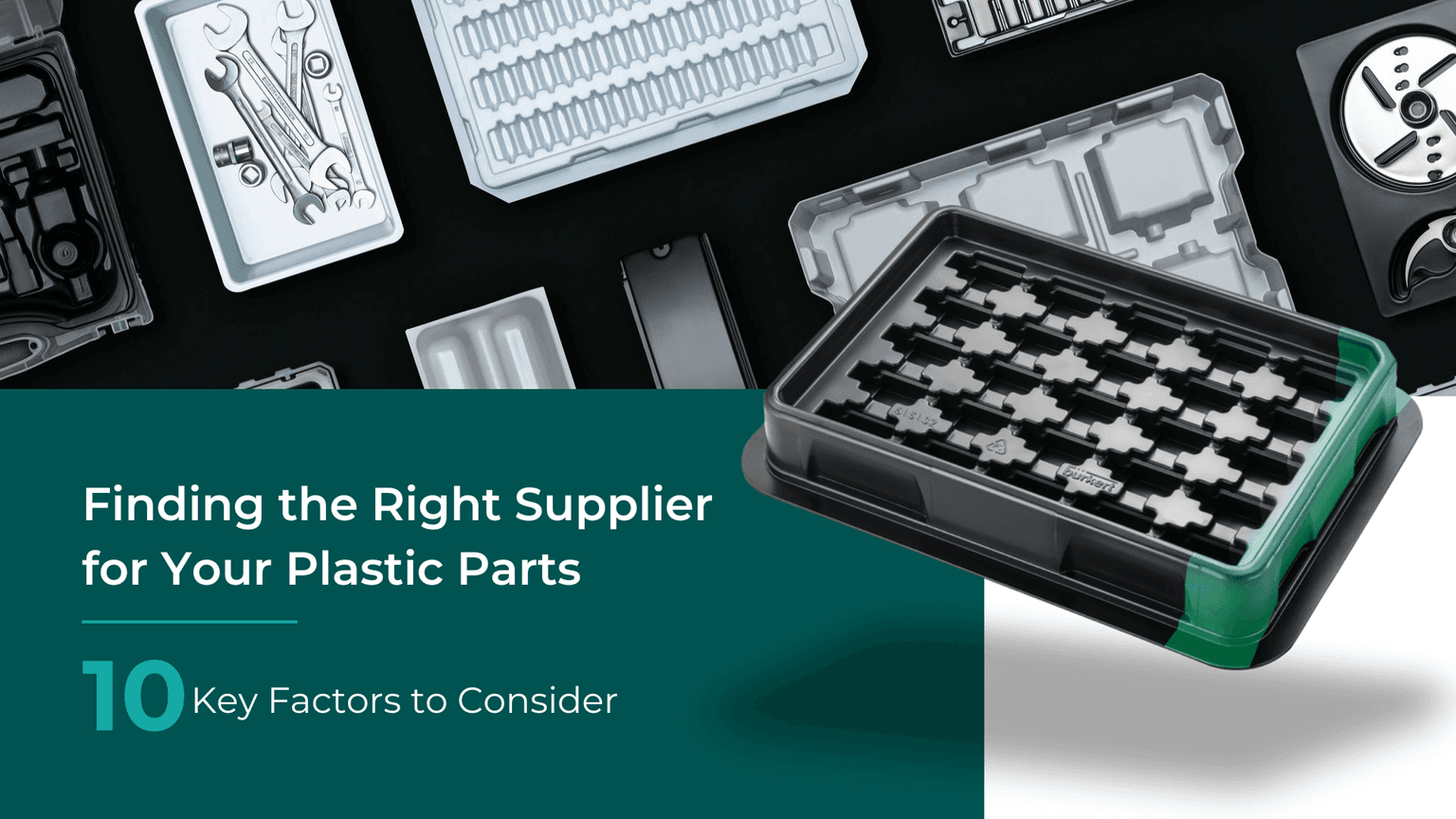
Supplier Guide for Plastic Thermoformed Parts – 10 Key Factors That Matter

Choosing the right supplier for plastic thermoformed parts is crucial for the quality, efficiency, and cost-effectiveness of your production. Our 10 tips will show you what to look for when selecting a supplier.
Rapid Prototyping in Thermoforming
Thermoformed Parts in Practice

Rapid Prototyping in Thermoforming – Definition, Benefits & Processes

Rapid prototyping is used in product development to quickly create preliminary models. In thermoforming, rapid prototyping offers numerous advantages for producing high-quality prototypes efficiently and cost-effectively.
Thermoforming vs. Alternatives_Banner
Thermoformed Parts in Practice

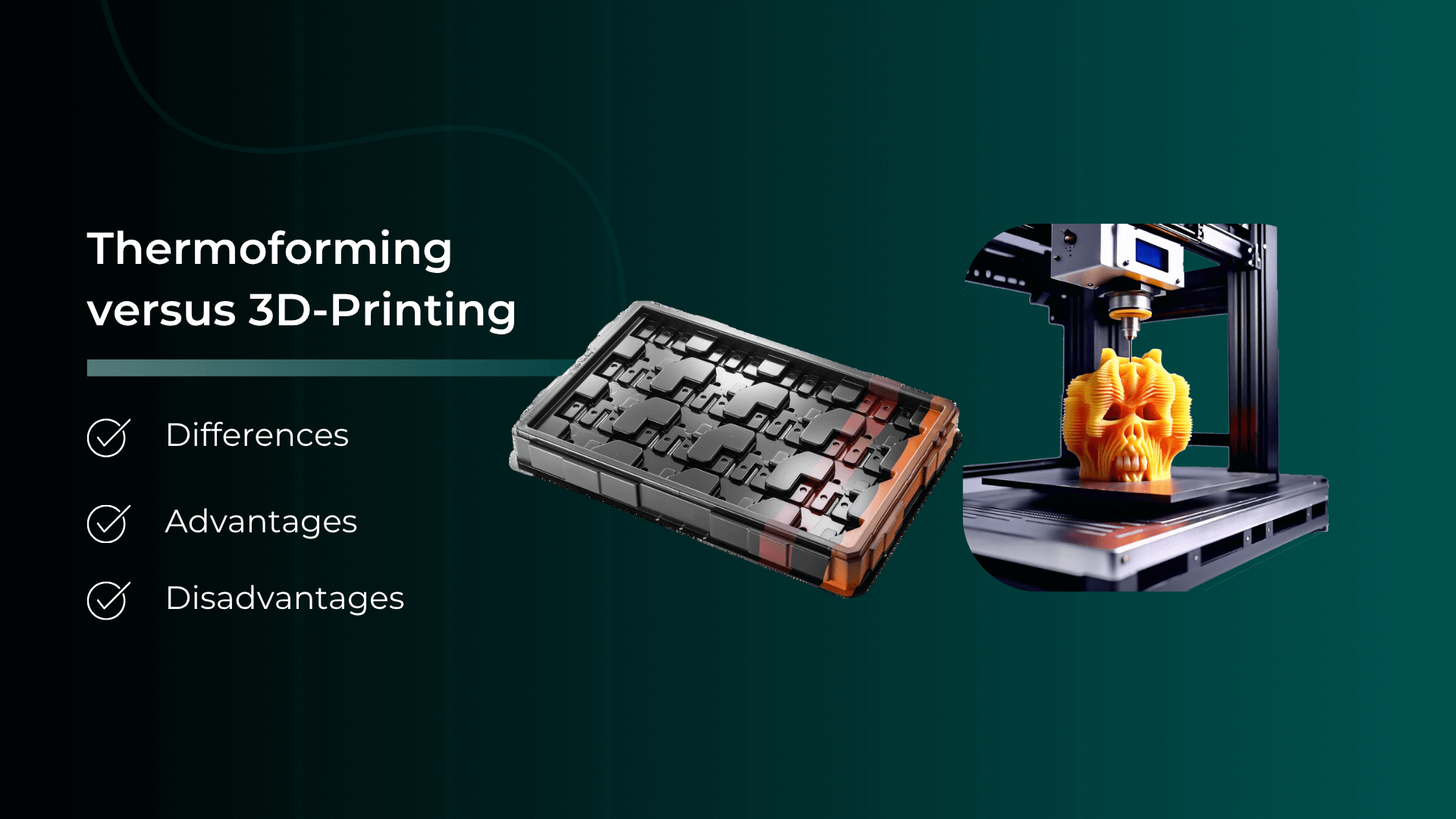
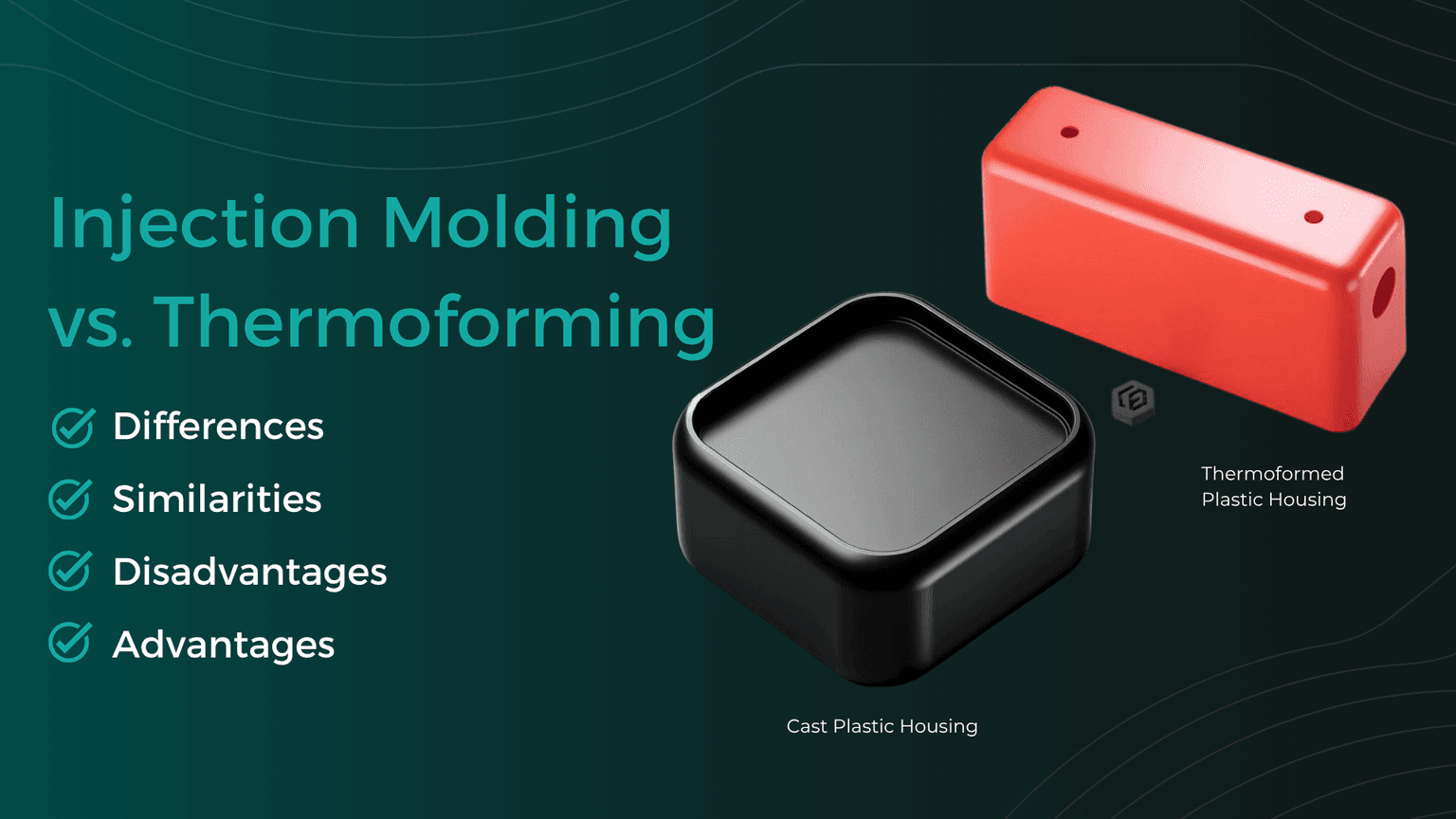
Plastic Manufacturing Processes Compared: Thermoforming vs. Injection Molding, 3D Printing, CNC Milling, and Foam

When manufacturing plastic parts, thermoforming is often compared with injection molding, milling, 3D printing, and foam solutions. The decisive factors are speed, cost, design freedom, material requirements, and process reliability. This article highlights the key differences between these processes.